Certified Artist 2026
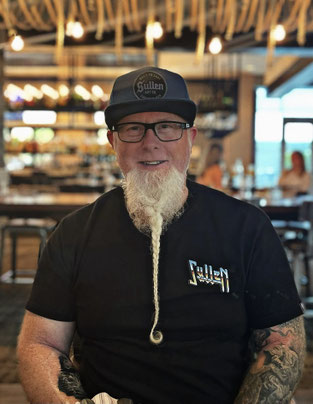
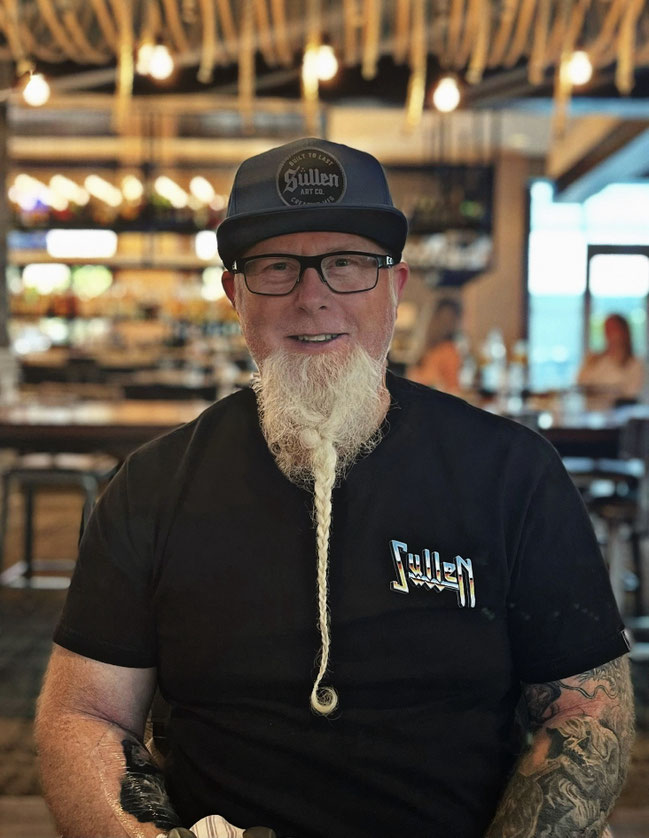
Bobby Moore
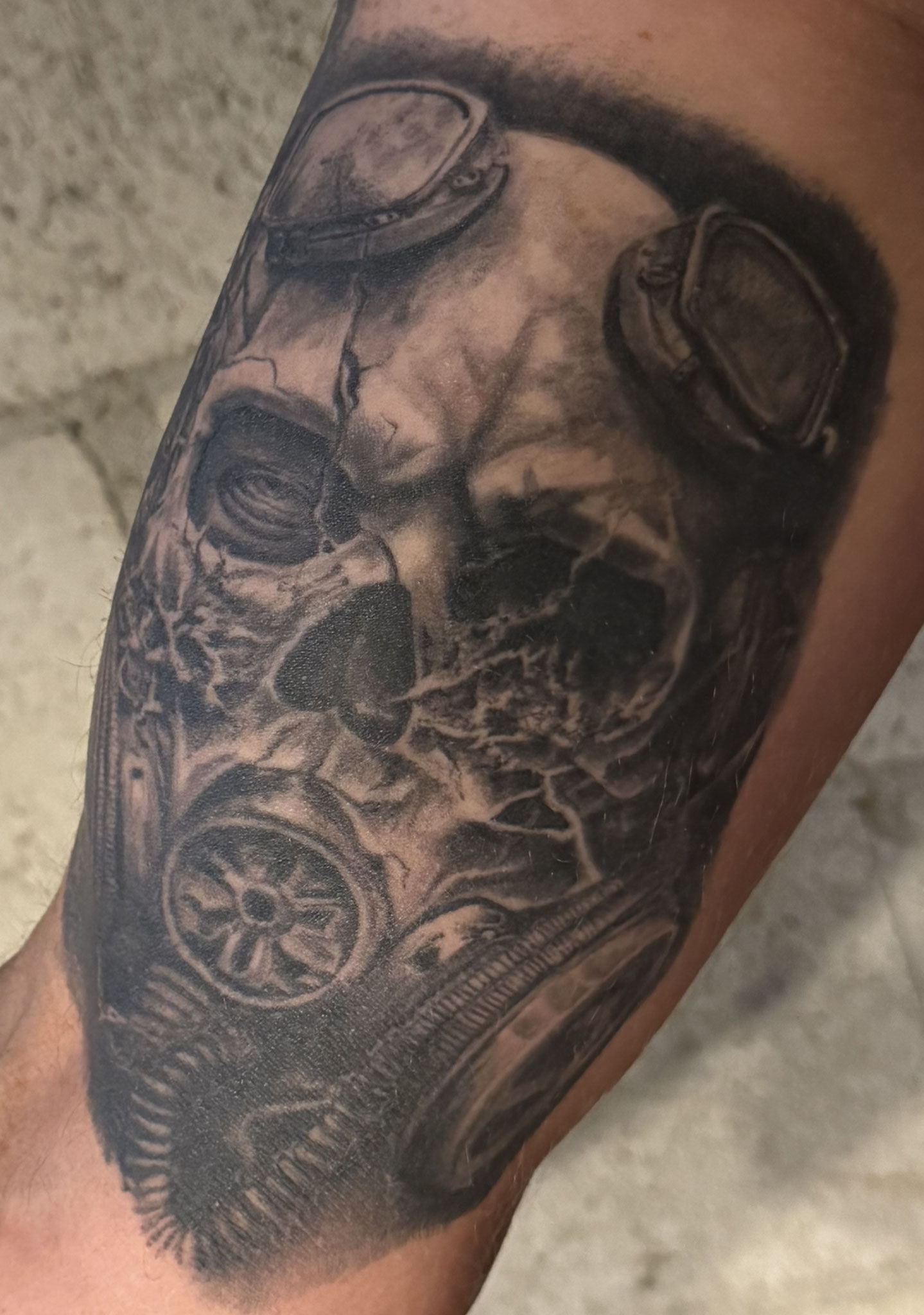
Fluid Realism & Timeless Tradition
Interview
Journey & Background
How did you first get into tattooing, and what motivated you to commit to it full time after years in the craft?
I have always been interested in art and showed artistic ability from an early age. For years, I worked a full-time job while tattooing in the evenings, on weekends, and whenever I had free time. Eventually, I realized I needed a change. I wanted to deepen my knowledge and truly improve my craft — and the only way to do that was to take a leap of faith and commit to tattooing full time.
Looking back over your 18-year journey, what moments or experiences have shaped you the most as an artist?
Meeting some of the greatest artists in the world has had the biggest impact on me. The atmosphere in the industry has shifted from competition to mentorship. Every talented artist I’ve met has taught me something valuable, and that speaks volumes about how much the industry has evolved.

Style & Artistic Identity
You work across realism and American traditional styles — how would you describe your artistic identity today?
I would describe my artistic identity as fluid. It is constantly changing, adapting, and evolving — responding to client demands, industry trends, and continuous learning.
What do you enjoy most about switching between realism and more traditional approaches?
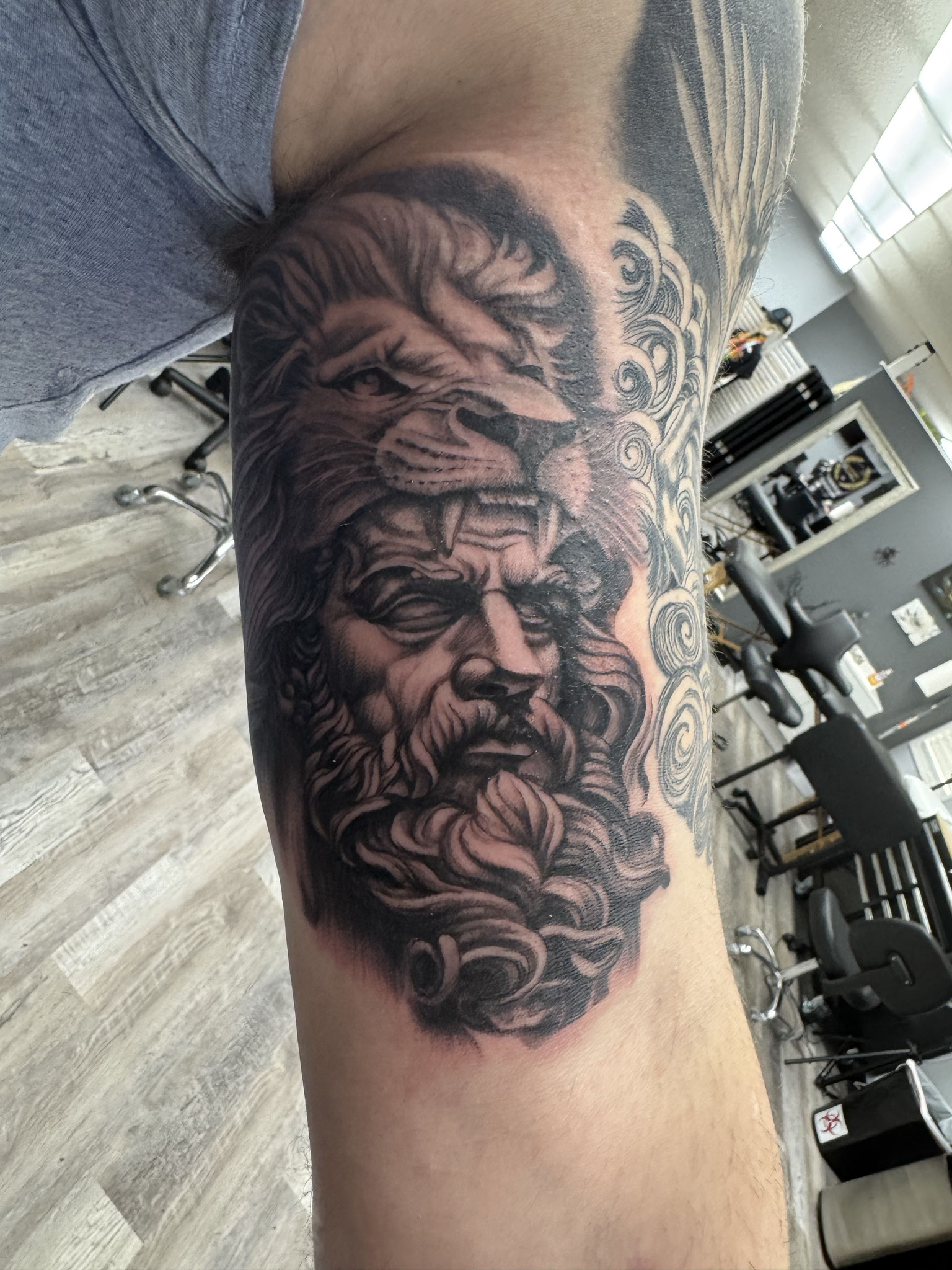
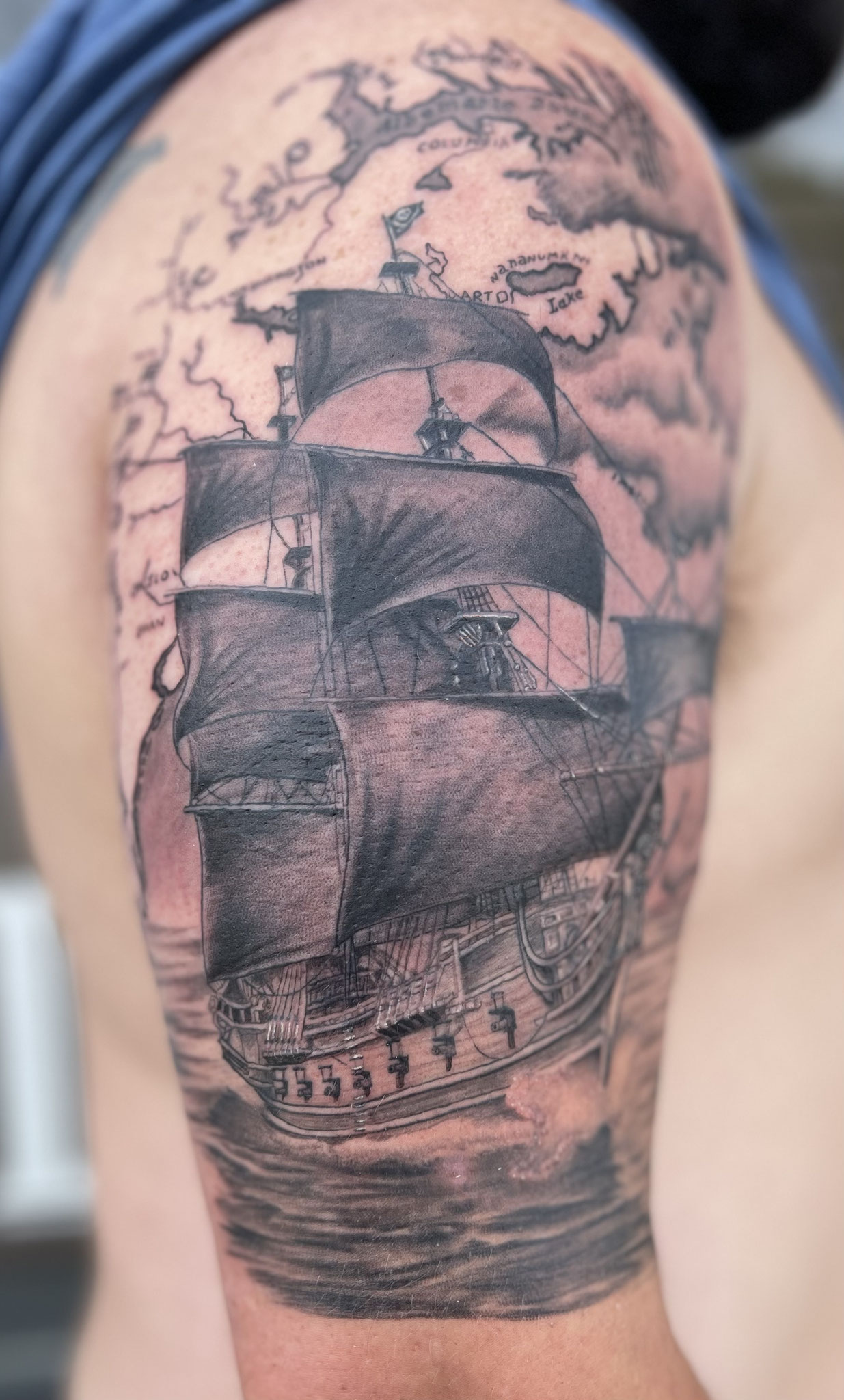
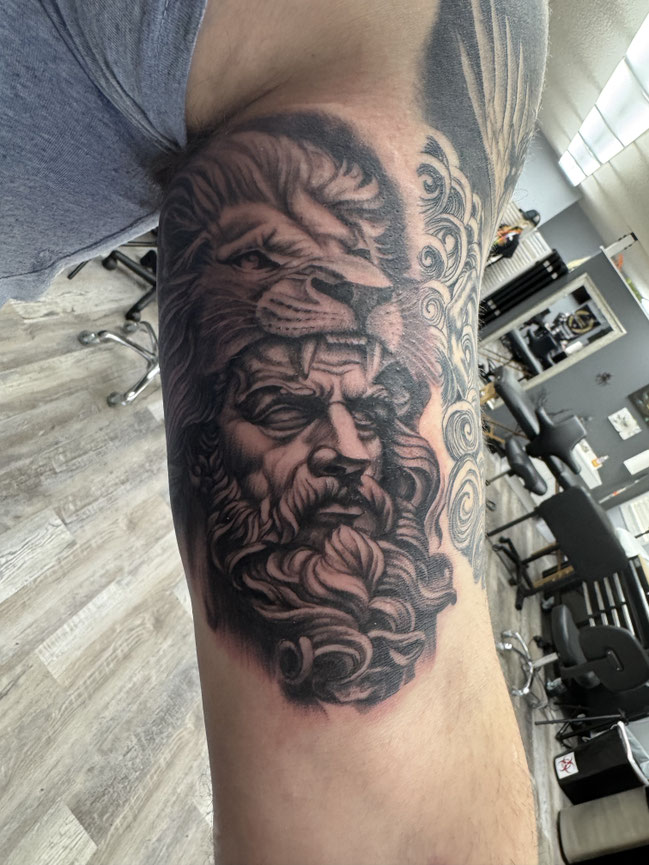
I appreciate the contrast between styles — from no outlines to heavy, bold lines; from smooth shading to packing solid color. Working in American traditional allows me to honor the roots of tattooing and pay homage to the old-school artists who laid the foundation for our craft.
Process & Technique
Can you describe your creative process when designing a custom tattoo?
I start by creating a detailed list of everything the client wants in their design. Then I gather references and begin building the composition to fit the chosen placement. I prefer having the client come in for a “test fit” before proceeding. After that, I refine the design, ensure everything flows together, and make sure the client leaves with a piece of art they truly love.
How do you approach composition and flow on the body?
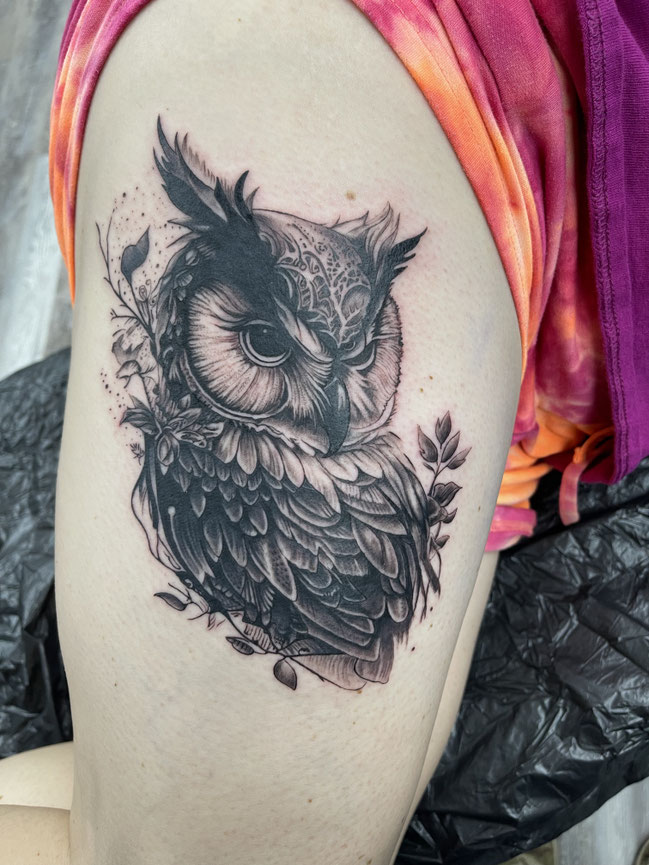
I focus on ensuring the placement works for the size and style of the tattoo. I trust my eye for what complements the body while also respecting traditional compositional rules.
What technical aspects are most important to you?
Proper saturation without overworking the skin is essential. Understanding different skin types and adjusting accordingly is key. Knowing your machine and equipment inside out allows for clean execution and long-lasting results.
Client Experience
How do you build trust and communication with clients, especially on larger projects?
Listening is fundamental. It’s important that clients feel heard and understood, but also that I’m honest if something cannot or should not be done. I make sure they know their opinions matter. During every appointment, I remain fully present and focused so they leave with a piece they love — and one I’m proud to have created.
Industry & Vision
How do you see the tattoo industry evolving today?
The industry has changed significantly for the better in recent years. Networking, conventions, and social media have created more opportunities for artists to share knowledge and techniques. There’s also been a stronger focus on quality materials and equipment, which elevates the overall standard of work.
What artistic goals would you like to focus on in the coming years?
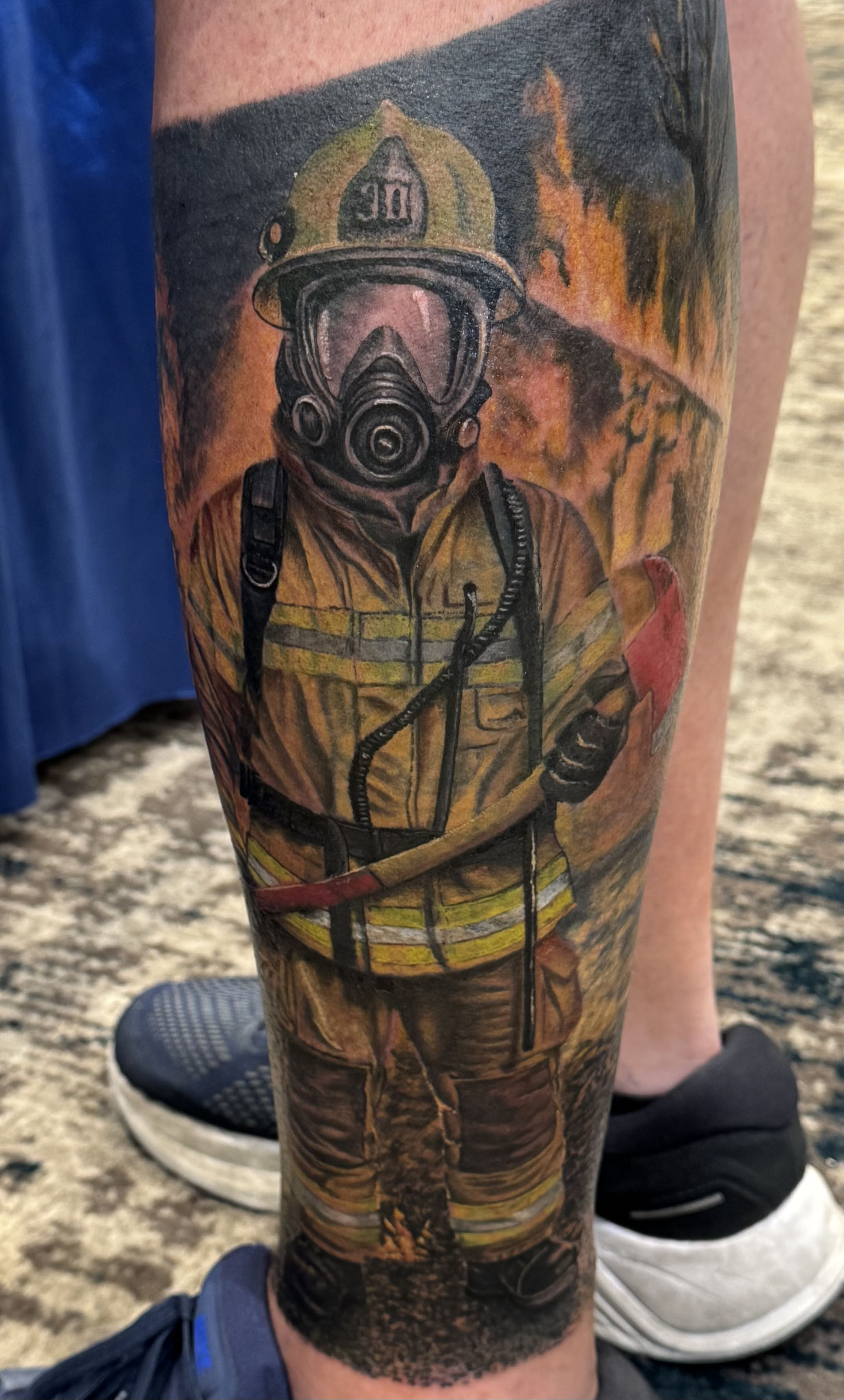
I want to continue improving my color realism and take on larger-scale color realism projects. Expanding in that direction is my main focus for the future.


-
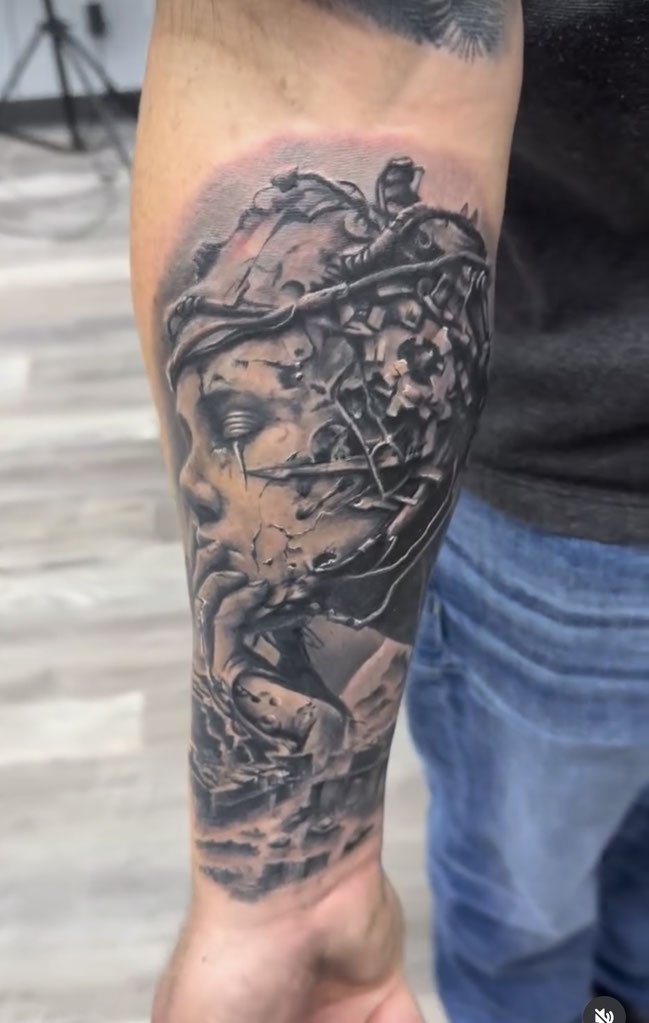
"black and gray and color realism, American Traditional and several other styles"
WHY WE RECOMMEND THIS ARTIST
We recommend this artist for his ability to move confidently between realism and American traditional while maintaining
technical precision.
His understanding of saturation, contrast, and body flow reflects nearly two decades of disciplined craft.
An artist who honors tattoo heritage while continuously evolving his visual language.