Certified Artist 2026
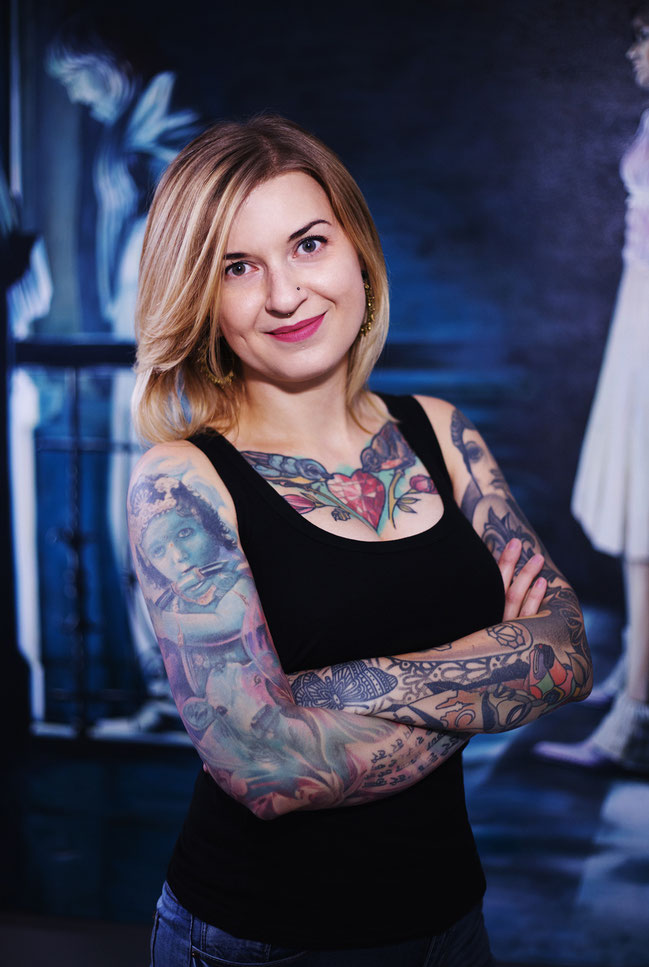
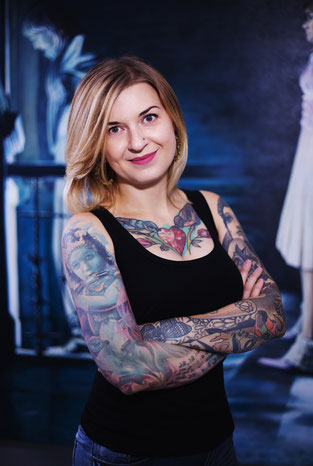
Izabela Solarz
Graphic Realism Built on Structure, Integrity, and Artistic Freedom
Interview
How did you first get into tattooing, and what led you to dedicate your life to this craft over the last 20 years?
There were several factors that drew me to tattooing. As a teenager, I was part of the hardcore/punk scene, and at shows you were constantly surrounded by tattooed people. Tattoos were deeply connected to that culture, and I felt naturally drawn to it.
I’ve always drawn a lot, and my goal was to pursue an art education. While attending art high school, I occasionally visited a friend’s tattoo studio with classmates. Watching how everything worked there made me realize that tattooing might be something I wanted to do in the future.
A few years later, while studying painting at university, I bought basic tattoo equipment and slowly began learning the technique — mostly on my own. It was a different time back then. There wasn’t much information online, no social media, nothing like today. I spoke with a few tattoo artists, traveled to conventions to observe, bought tattoo magazines to understand techniques, and before long I was fully immersed in that world. I even wrote my MA thesis about tattooing in Poland.
Which moments have most influenced your artistic development?
During my studies, I tattooed at home, which made development challenging. Soon after graduating, I was offered a position at one of the best tattoo studios in Poland at the time.
Kult Tattoo in Kraków was likely the largest and most influential studio in the country. Many excellent artists worked there, and guest artists visited regularly. We traveled to international conventions, and the studio organized Tattoofest Convention.
I worked there for eight years, and it became an immense source of knowledge, motivation, and inspiration. In 2017, I opened my own small private studio, where I continue to work today.
How would you describe your artistic identity today?
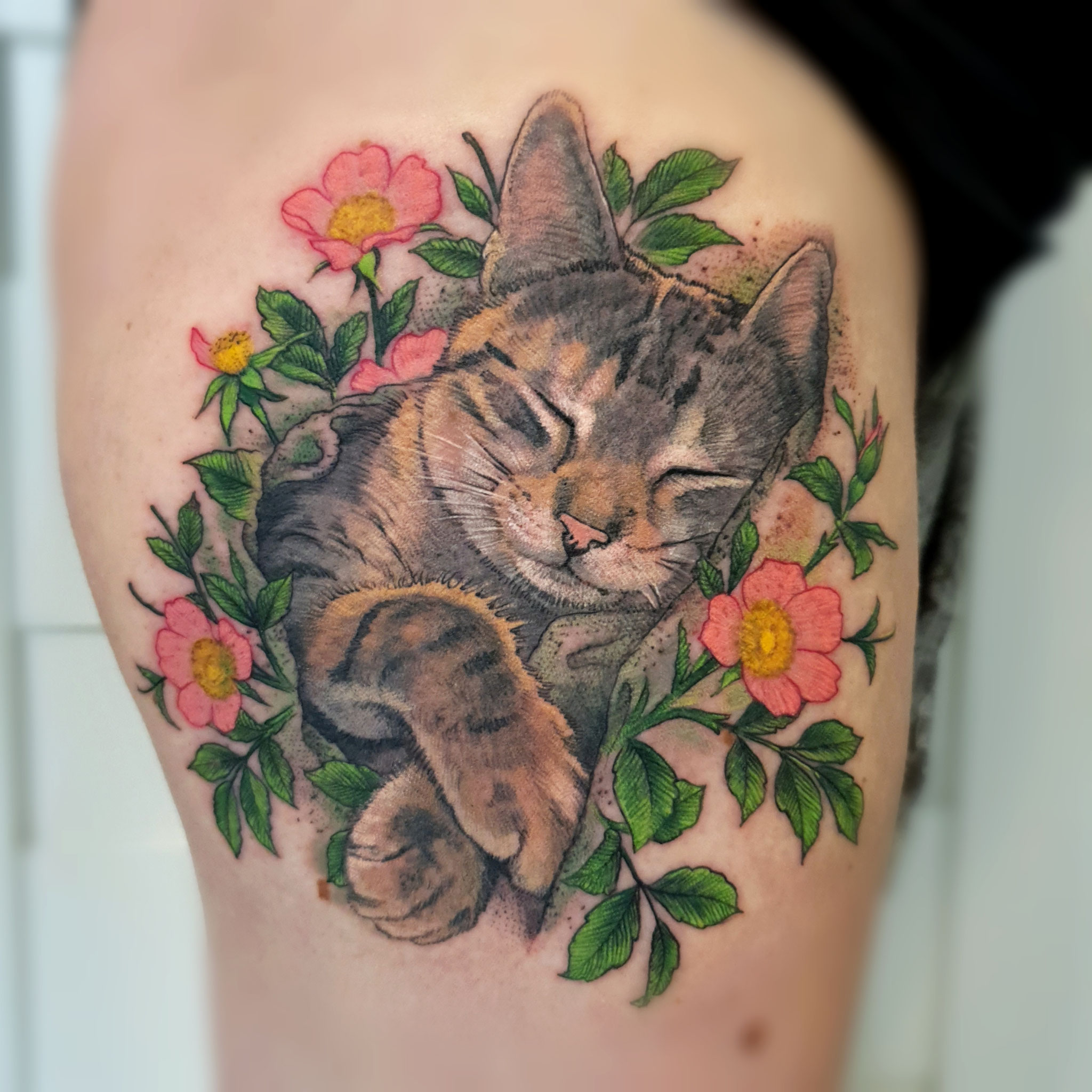
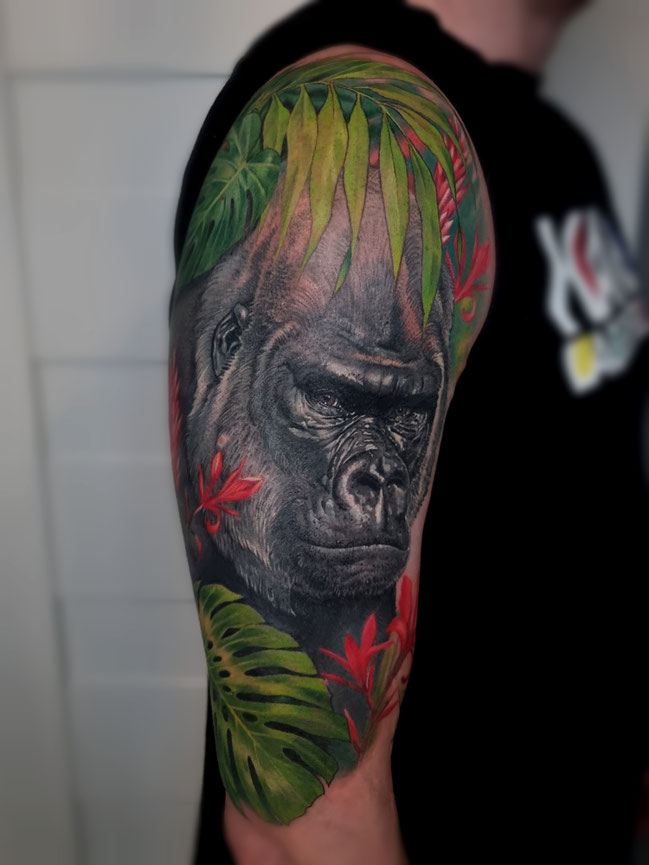
I’ve always felt most comfortable working with realistic subjects, both in traditional art and in tattooing. However, tattooing taught me to approach realism in a more graphic way, especially in earlier years when techniques were different.
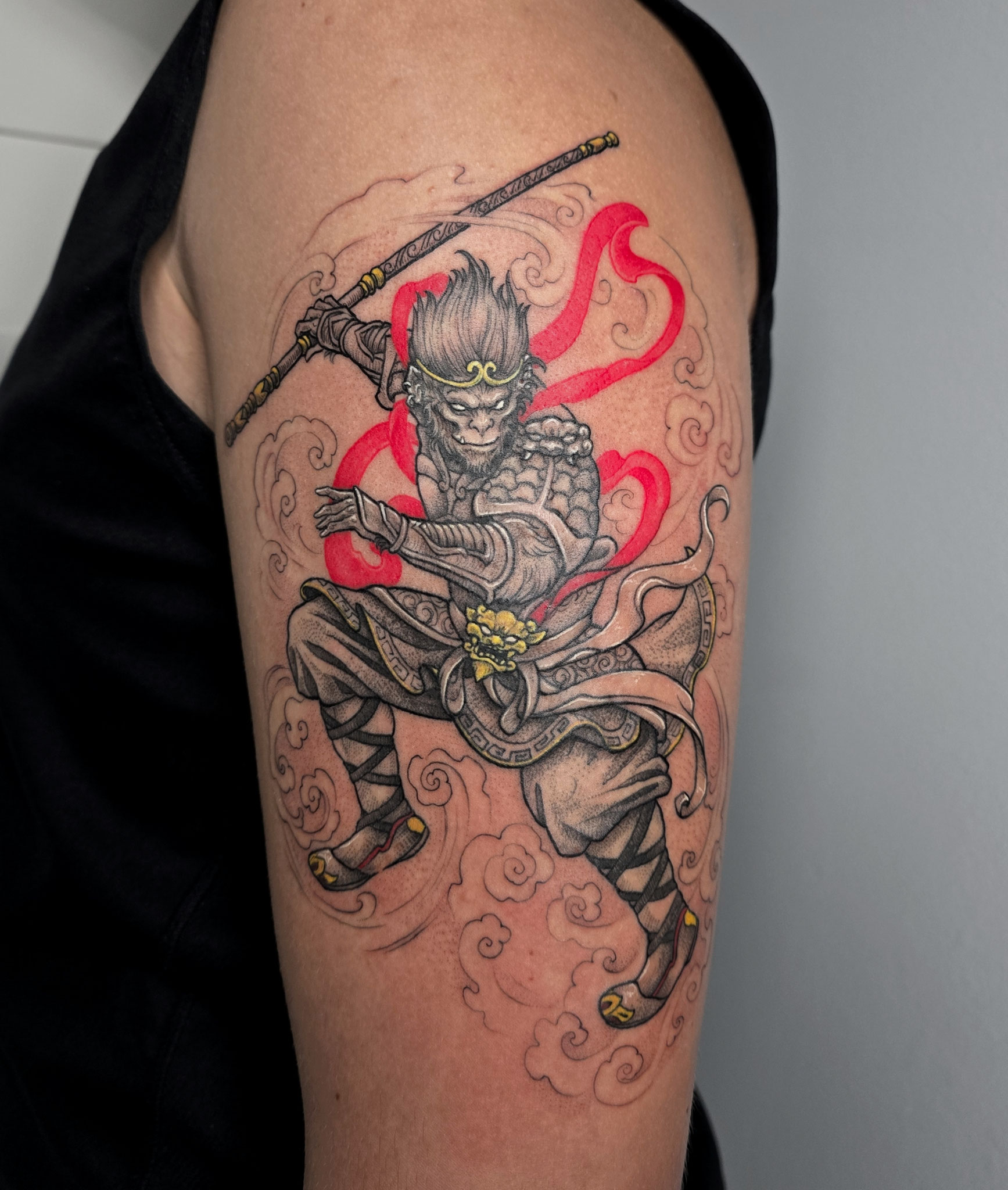
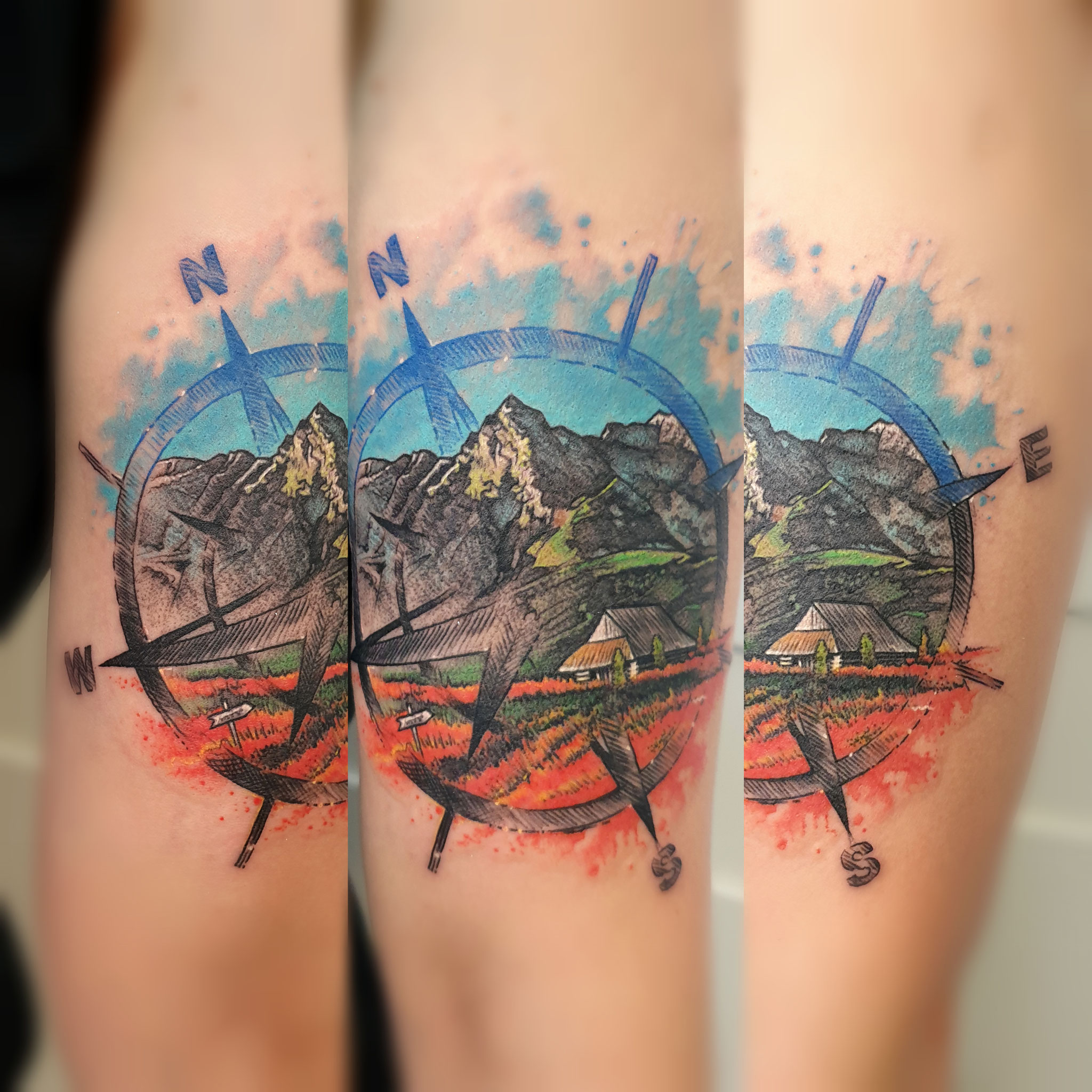
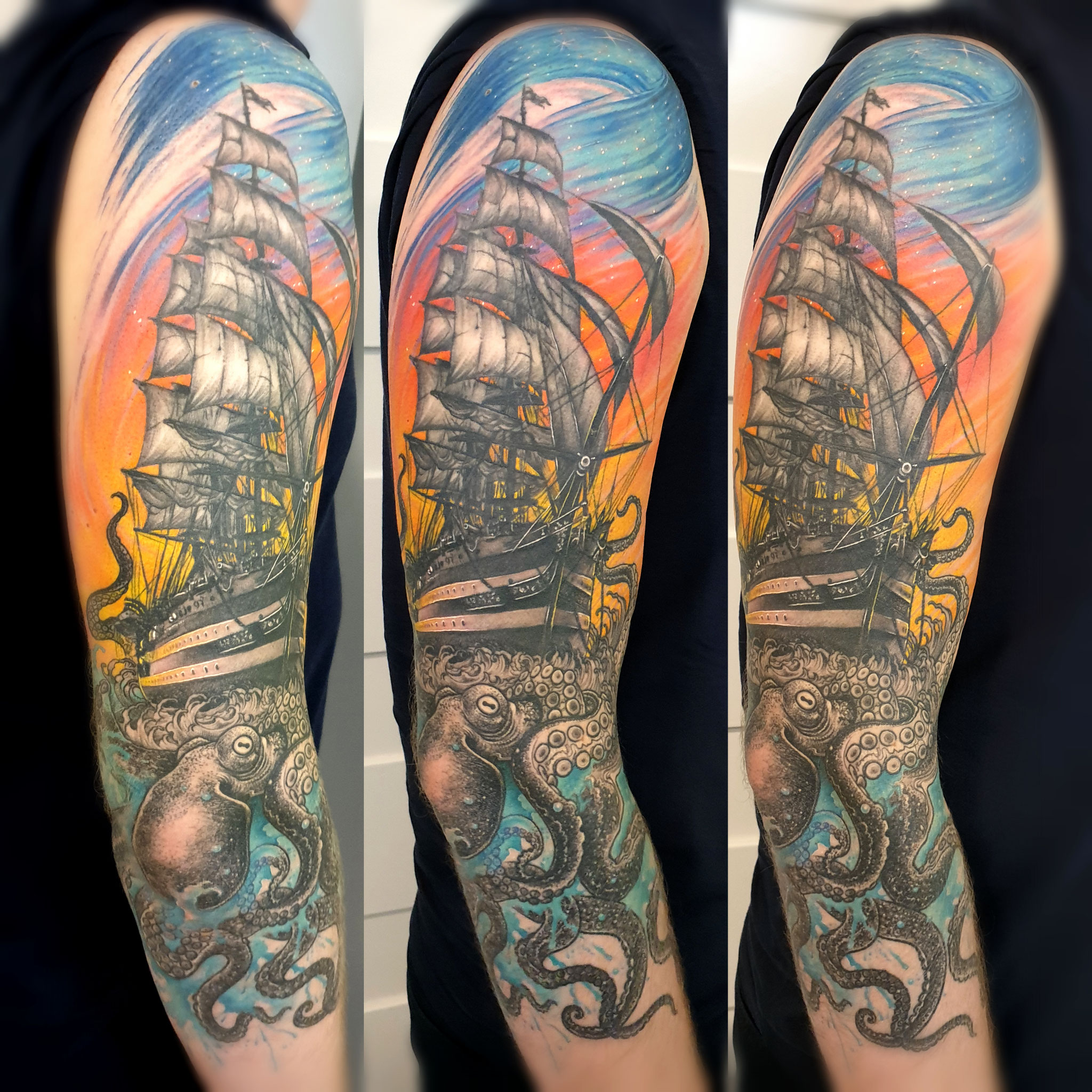
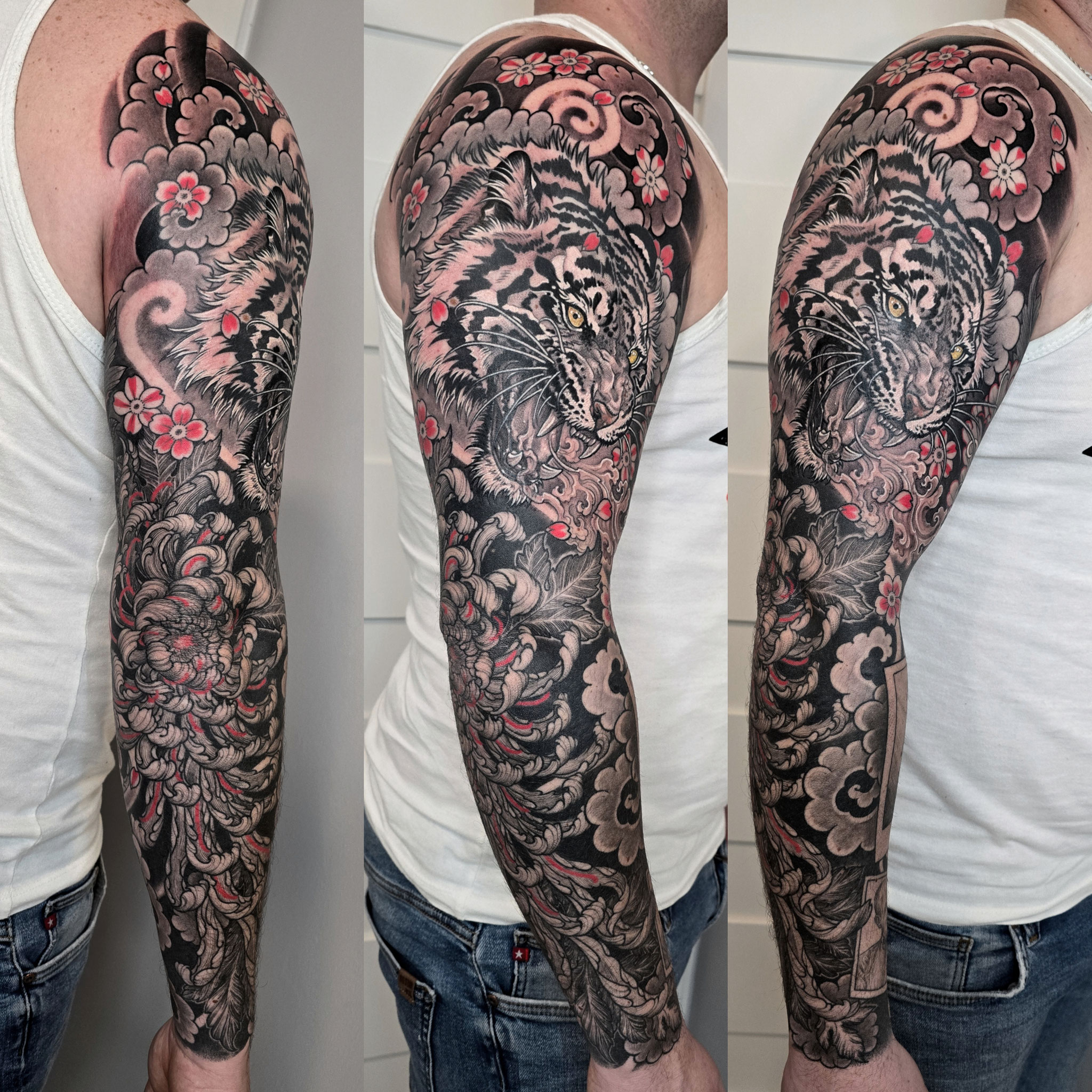
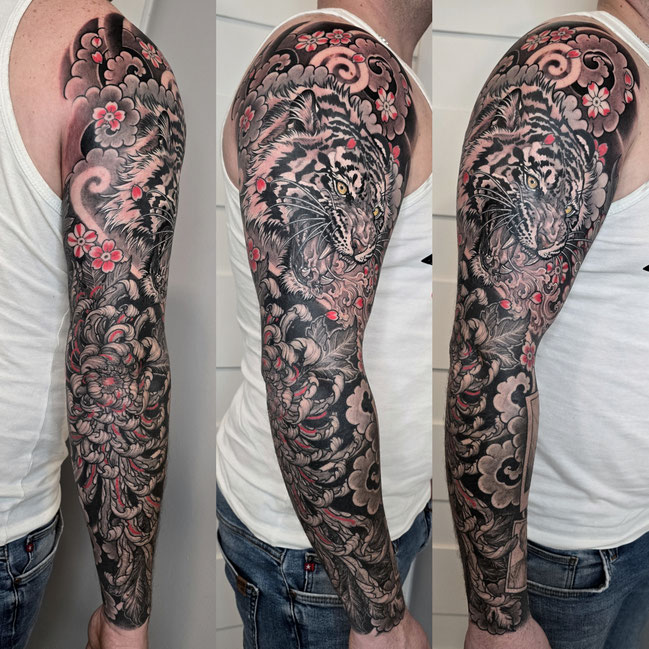
As tattooing evolved, so did my style. Today, most of my work exists somewhere between realism and graphic structure. That said, I’ve never wanted to limit myself to one specific style. I enjoy challenges and feel comfortable working in different aesthetics — whether geometric, Japanese-inspired, lettering, or something entirely different.

What attracts you to combining graphic elements with realism?
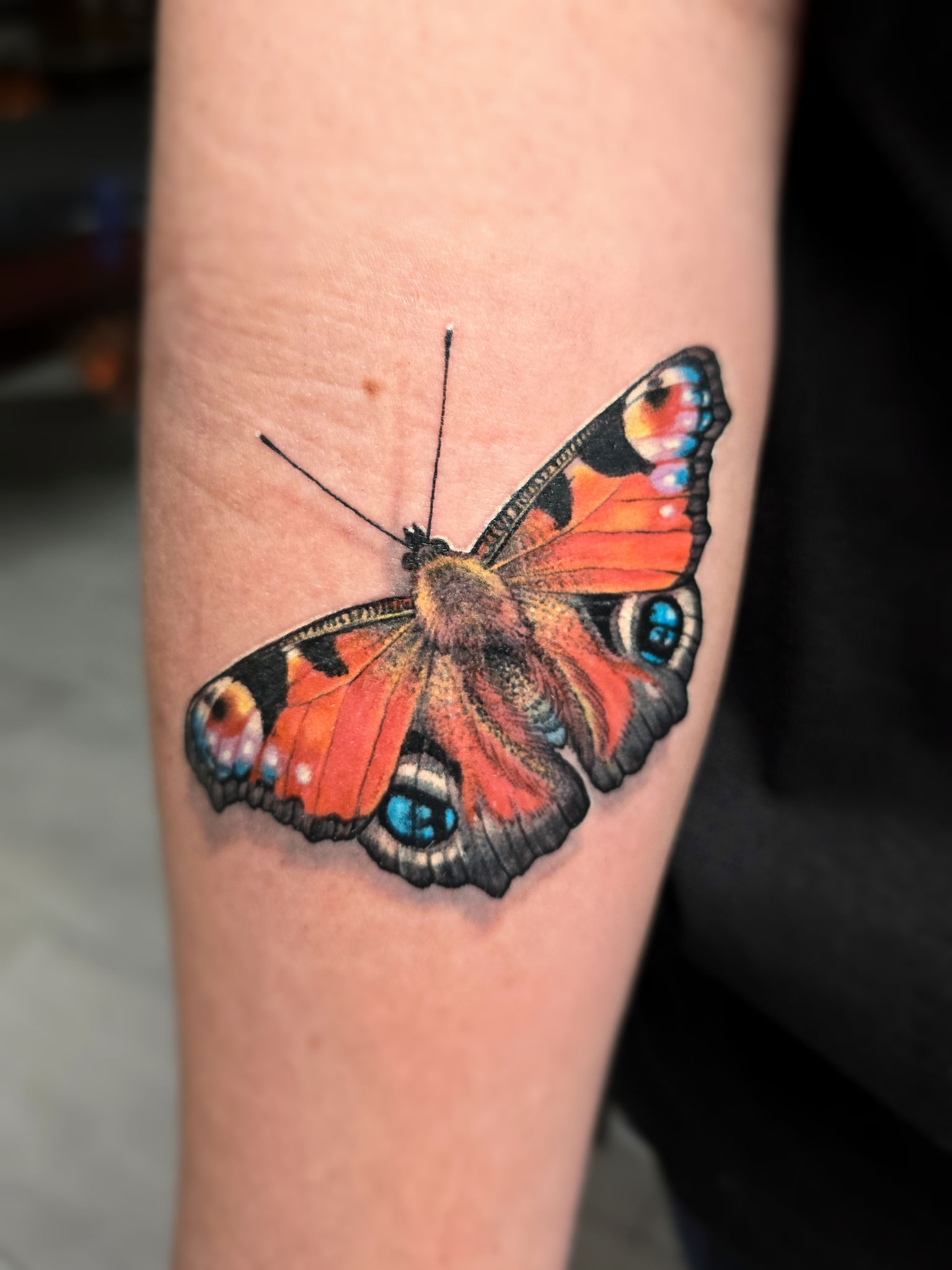
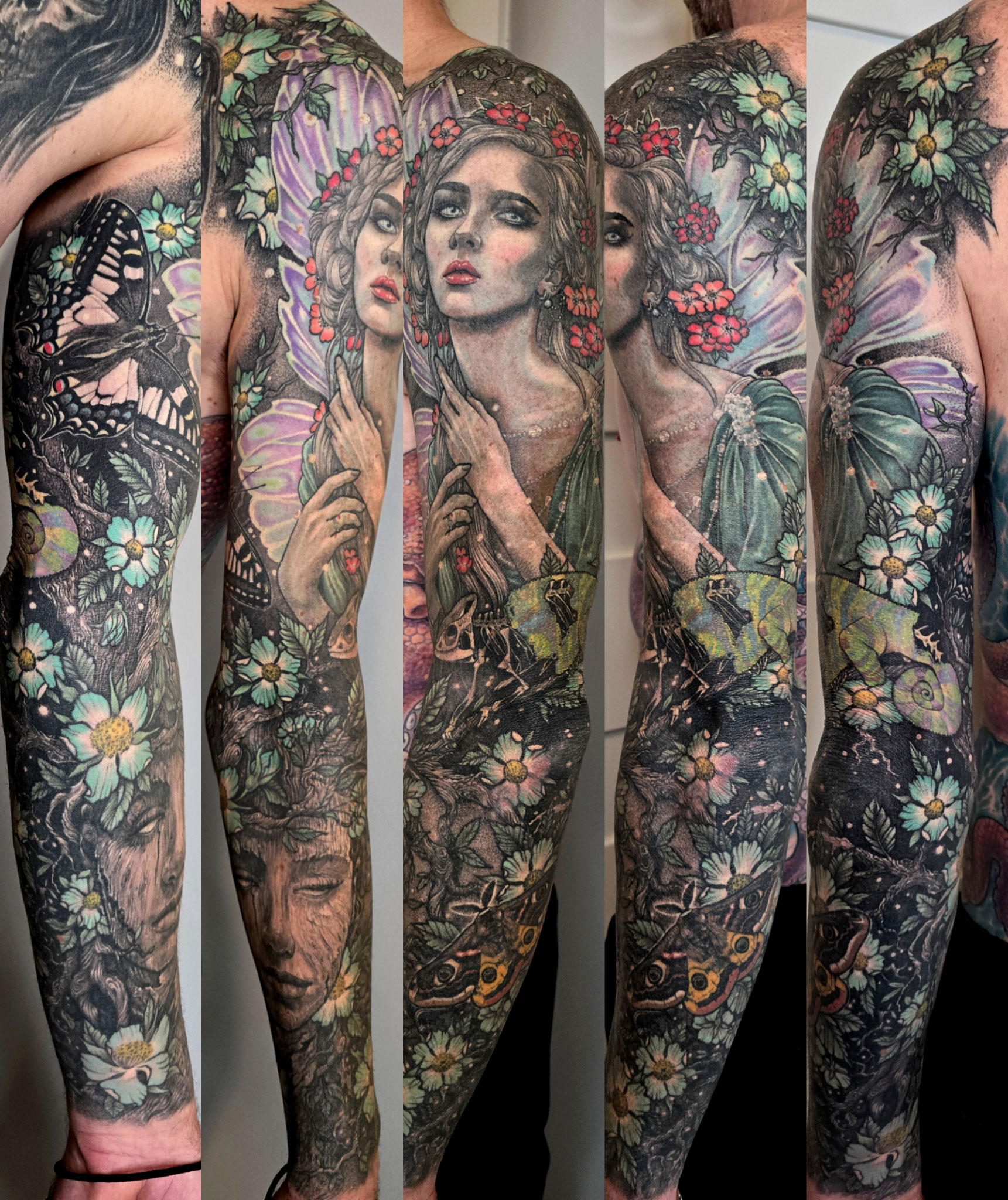
I’ve always loved drawing and painting nature — animals, flowers, plants, insects, and people. Nature has consistently been central to my artistic practice.
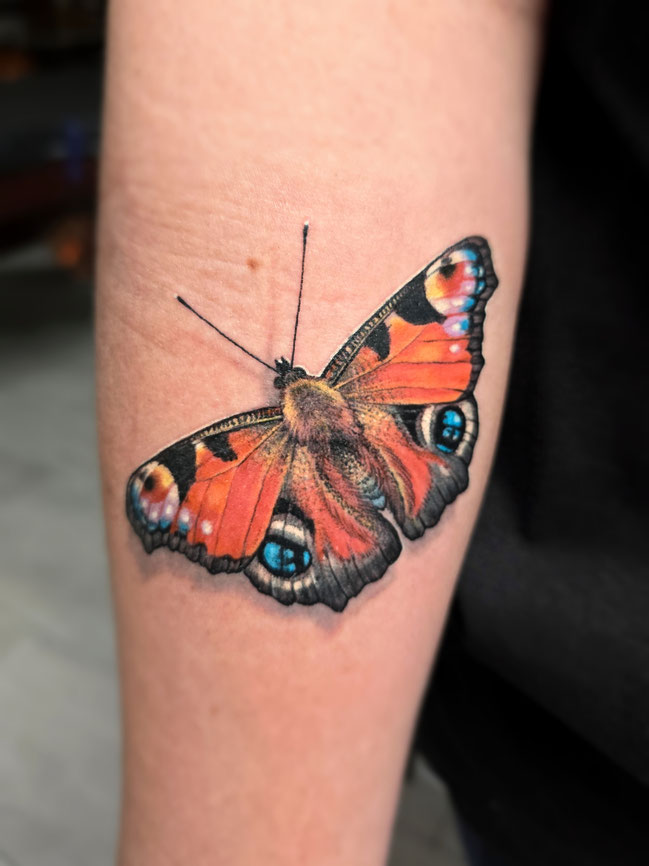
However, tattooing has its own rules. Strong outlines, for example, help ensure longevity and readability. I enjoy building compositions that combine delicate realistic elements with stronger graphic accents. That balance creates clarity while preserving depth.
Can you describe your creative process?
Everything begins with the client’s idea and reference materials. Most communication happens via email, and I prepare sketches or materials before the session.
However, the final design often develops during the session itself. Working directly on the body and engaging in conversation are crucial for me. I enjoy building the composition collaboratively — the client provides elements, and I connect them into a cohesive story.
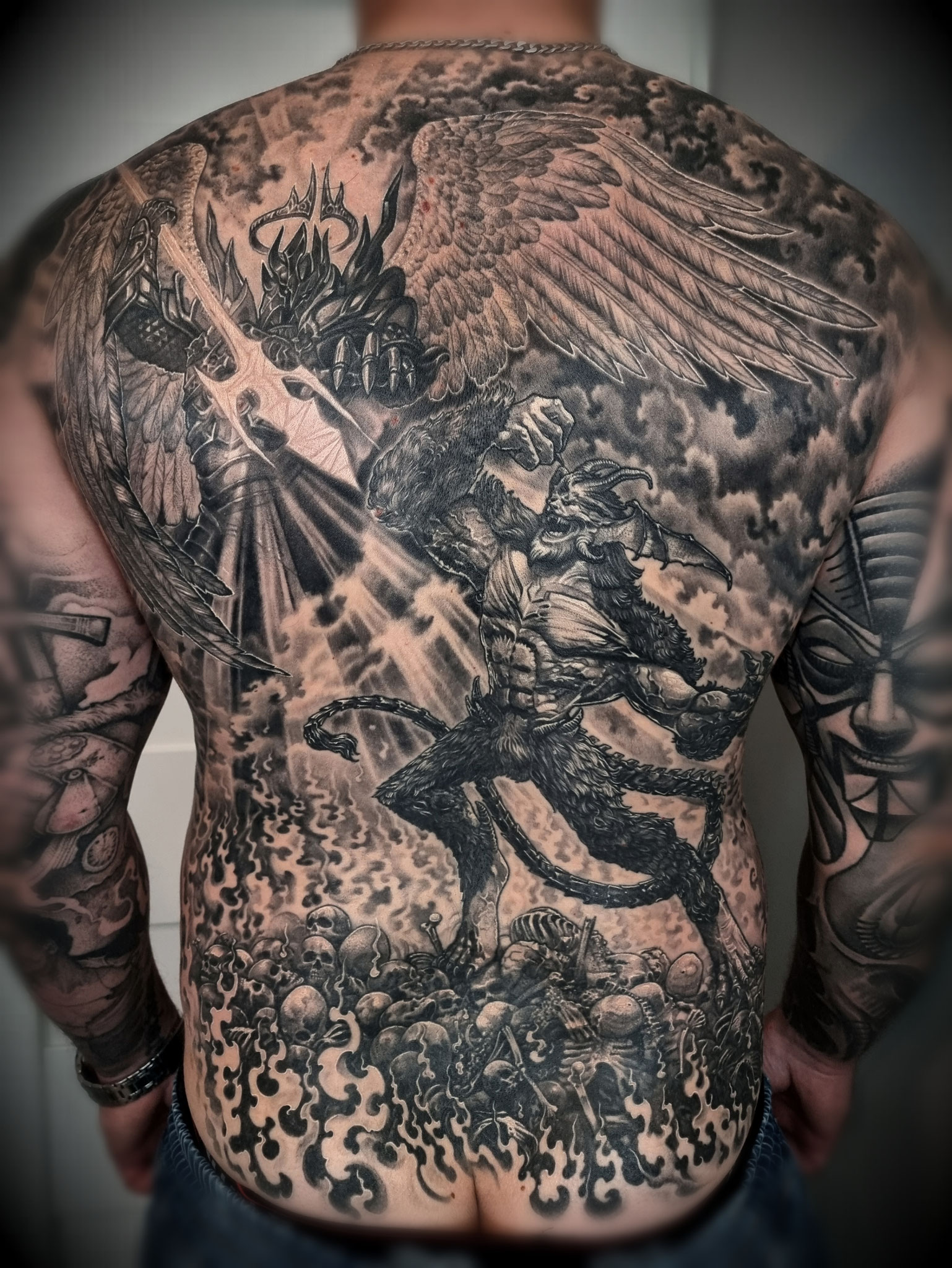
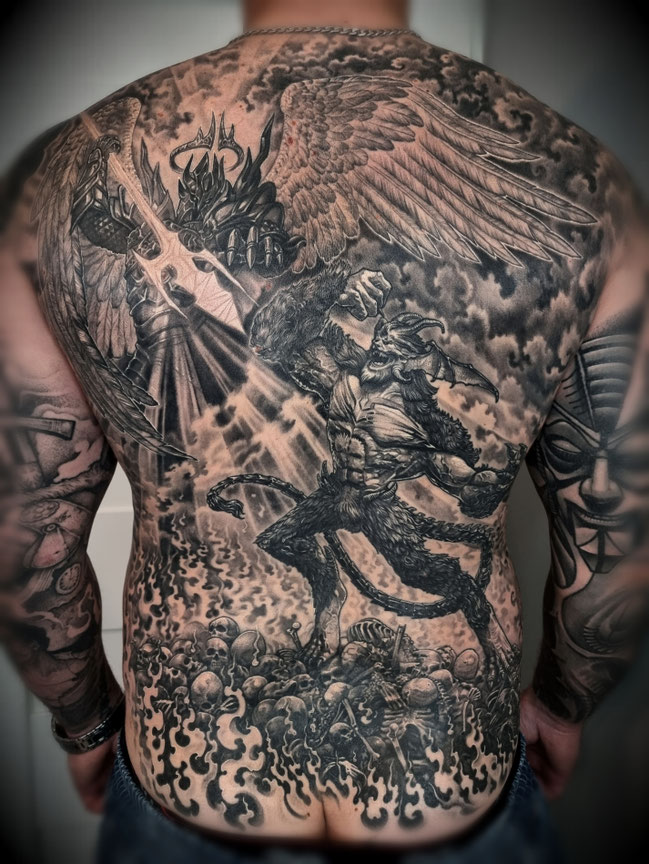
For large projects, I work intuitively. Some elements are transferred via stencil, while others are drawn freehand directly on the body using markers.
How do you approach composition and flow?
I adapt every design to the client’s anatomy. The natural lines of the body and muscle structure guide how elements should be placed. The body itself becomes the framework for the composition.
Which technical aspects are essential for quality and longevity?
Scale, composition, contrast, and clean technical execution are fundamental. Attention to detail, solid linework, proper color packing, and texture variation all contribute to clarity and durability.
Each project demands a slightly different technical approach depending on its size and style.

How do you build trust with clients?
Kindness, honesty, and respect are essential. Clients are trusting us with their bodies, so it’s important to provide clear information, answer questions thoroughly, and address concerns calmly.
Being open to suggestions — even when you don’t fully agree — matters. And if something isn’t a good idea, it’s best to explain why respectfully.
I’ve heard stories of tattoo artists acting arrogant or like rock stars. I don’t understand that mindset.
How do you see realism and graphic tattooing evolving today?
Over the last decade, these styles have developed tremendously — technically and compositionally. Tattoos today are bold, modern, often large-scale, and executed at an extremely high level.
Technological advancements and greater social acceptance of tattooing have played major roles. From tablet-based design to modern machines and easier access to education and workshops, the industry has changed significantly.
What are your artistic goals moving forward?
I don’t have rigid plans. Sometimes I feel the urge to explore styles outside my usual comfort zone. I also have many ideas unrelated to tattooing.
I’m slowly returning to painting and considering sculpture as well. Time will tell which ideas take shape.
Why We Recommend:
We recommend this artist for his balanced fusion of realism and graphic structure, guided by strong composition and anatomical awareness.
His disciplined contrast, clean execution, and respect for long-term readability define his work.
A mature, adaptable artist who values craft, humility, and continuous evolution over stylistic limitation.
Information
Graphic Realistic Tattooing
20 years of experience
Kraków, Poland
Instagram: @izabella.samsara.tattoo
Website: www.samsaratattoo.pl
Studio: ul. Racławicka 26/LU4, 30-075 Kraków