Certified Artist 2026
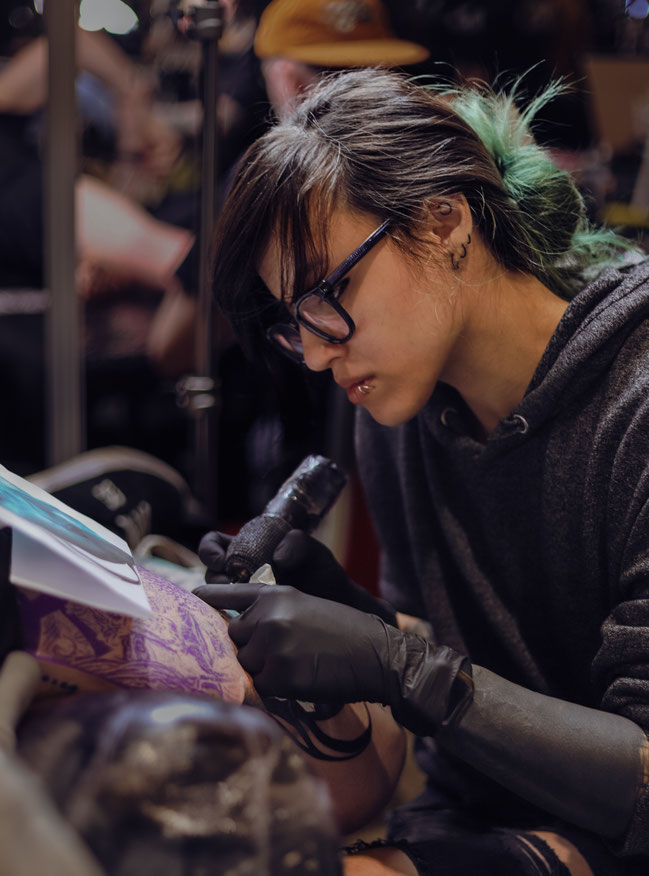
Kimmi Gayle
Expressive Colour & Controlled Chaos
Interview
How did you first begin your journey into tattooing, and what drew you towards colour-focused and expressive styles?
I more or less fell into tattooing. At the time, I wasn’t sure what I wanted to do, so I decided to try it. The beginning was tough — I started without an apprenticeship for the first two years, which made everything harder. Eventually, I secured an apprenticeship, and that truly opened doors and gave me direction, helping me see tattooing as a long-term career.
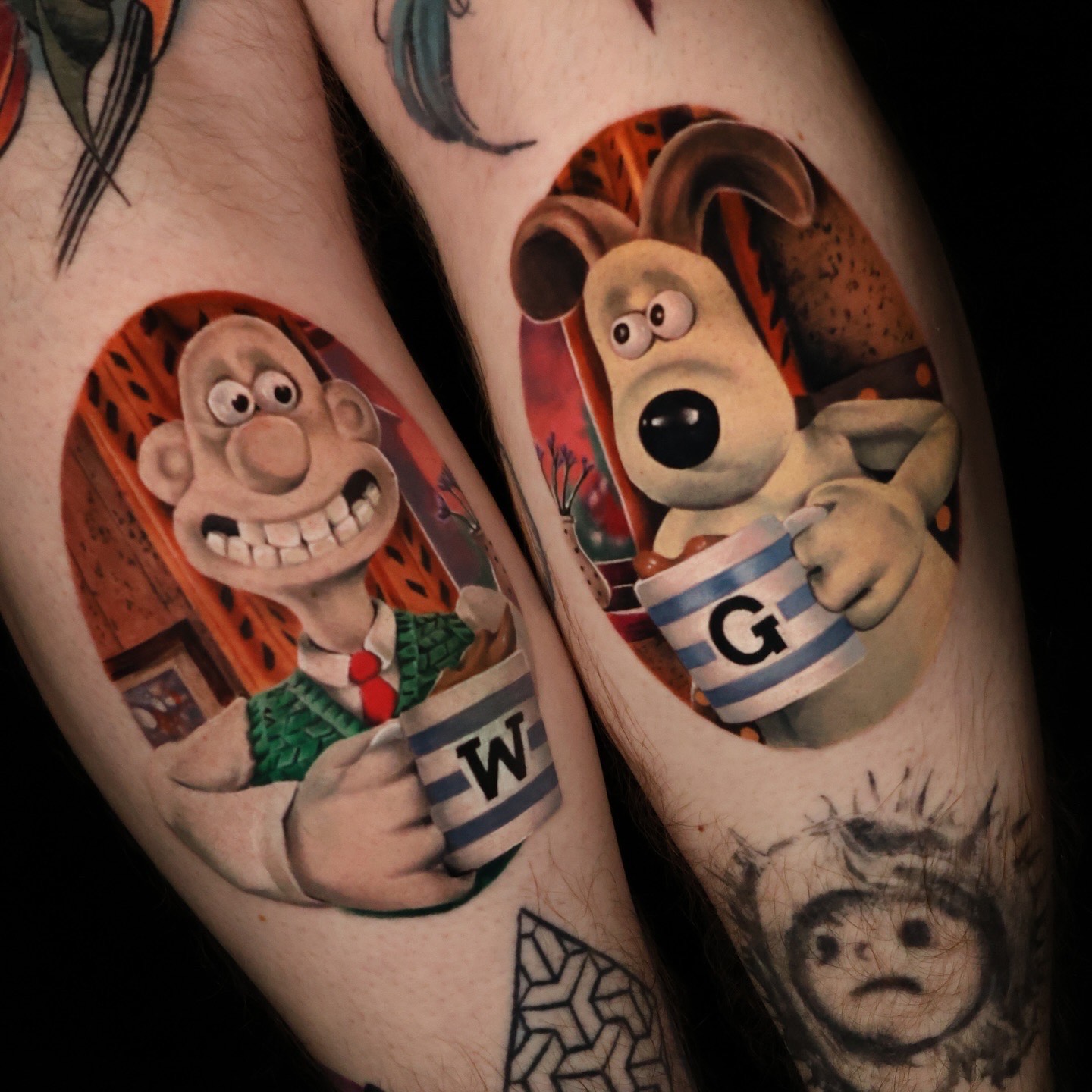
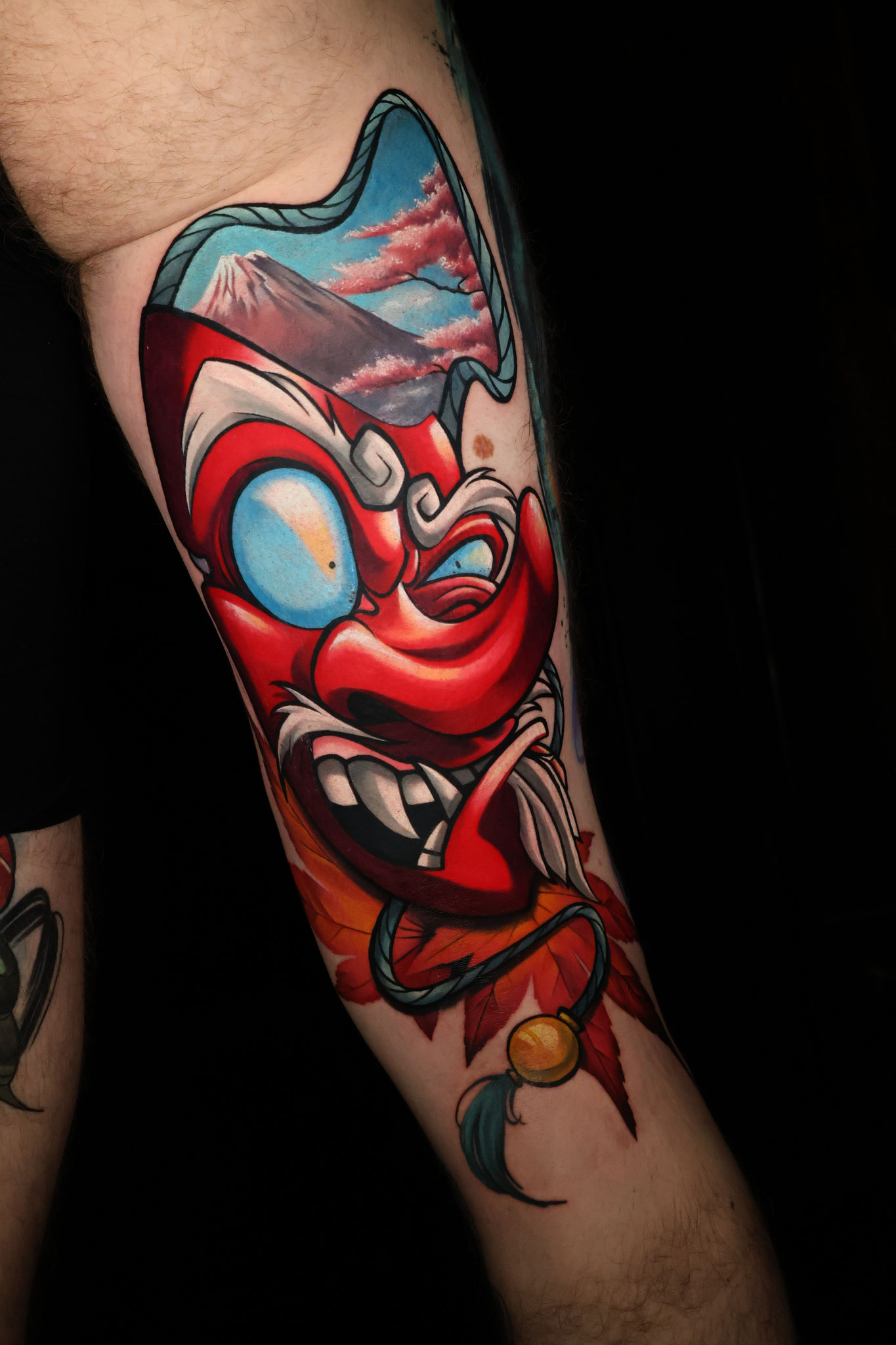
Colour wasn’t part of my work immediately. Like most traditional apprenticeships, I learned the basics and worked through different styles first. I only seriously stepped into colour about three or four years ago. As I explored colour realism and worked to refine my technique, I naturally began blending styles together. That mix felt more fluid, more expressive, and more creatively satisfying.
After eleven years in the industry, which experiences have impacted you most?
Stepping outside the studio chair was the biggest turning point. Guest spots and conventions completely changed my perspective.
Before that, I had a narrow view of the industry. Traveling, meeting accomplished artists, observing, and questioning everything I thought I knew blurred the “rules” I had learned. Keeping an open mind became the real game changer. It allowed me to evolve and stay adaptable in an industry that constantly shifts and grows.

How would you describe your artistic identity today?
Slightly chaotic — in the best way possible.
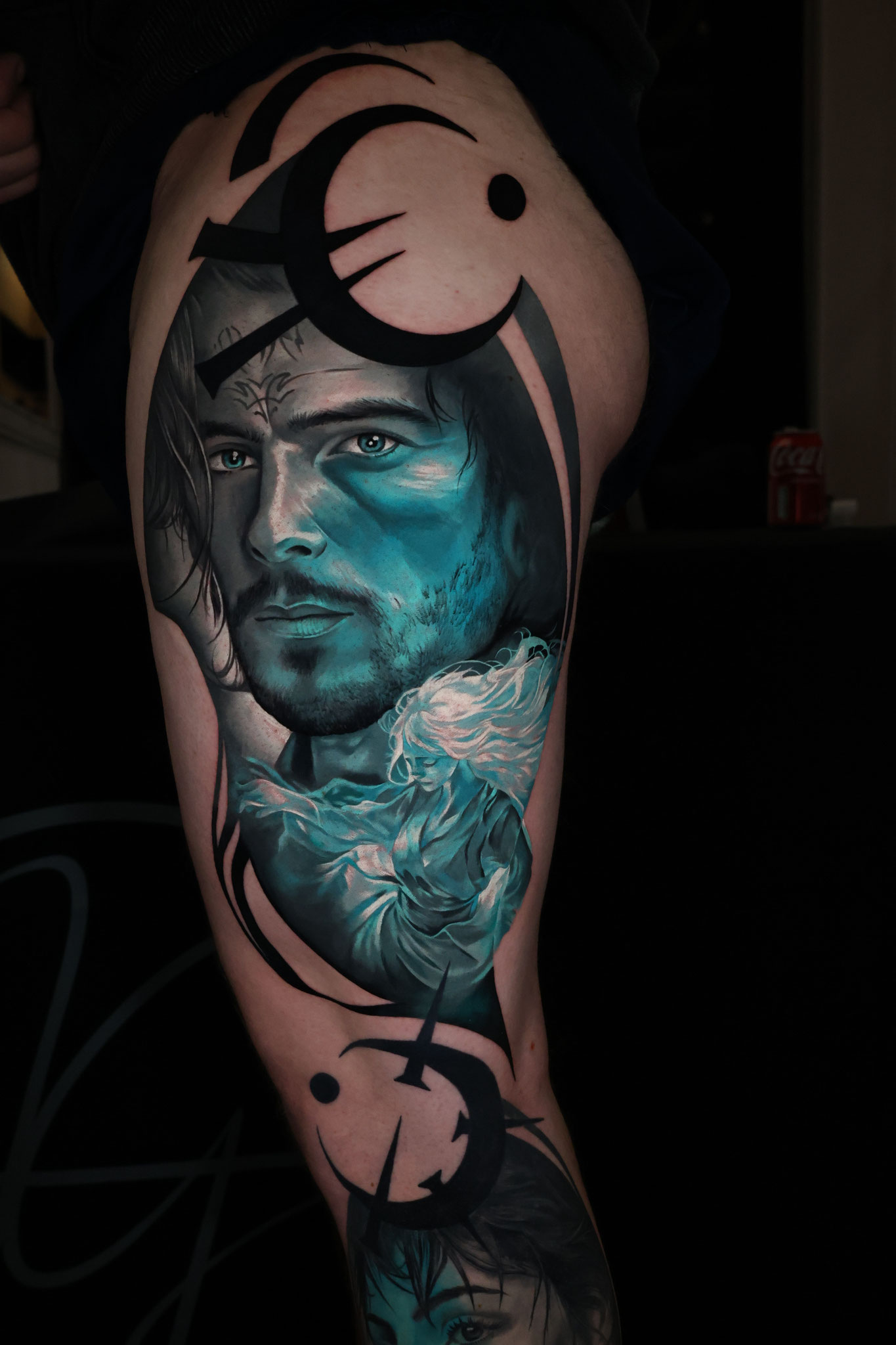
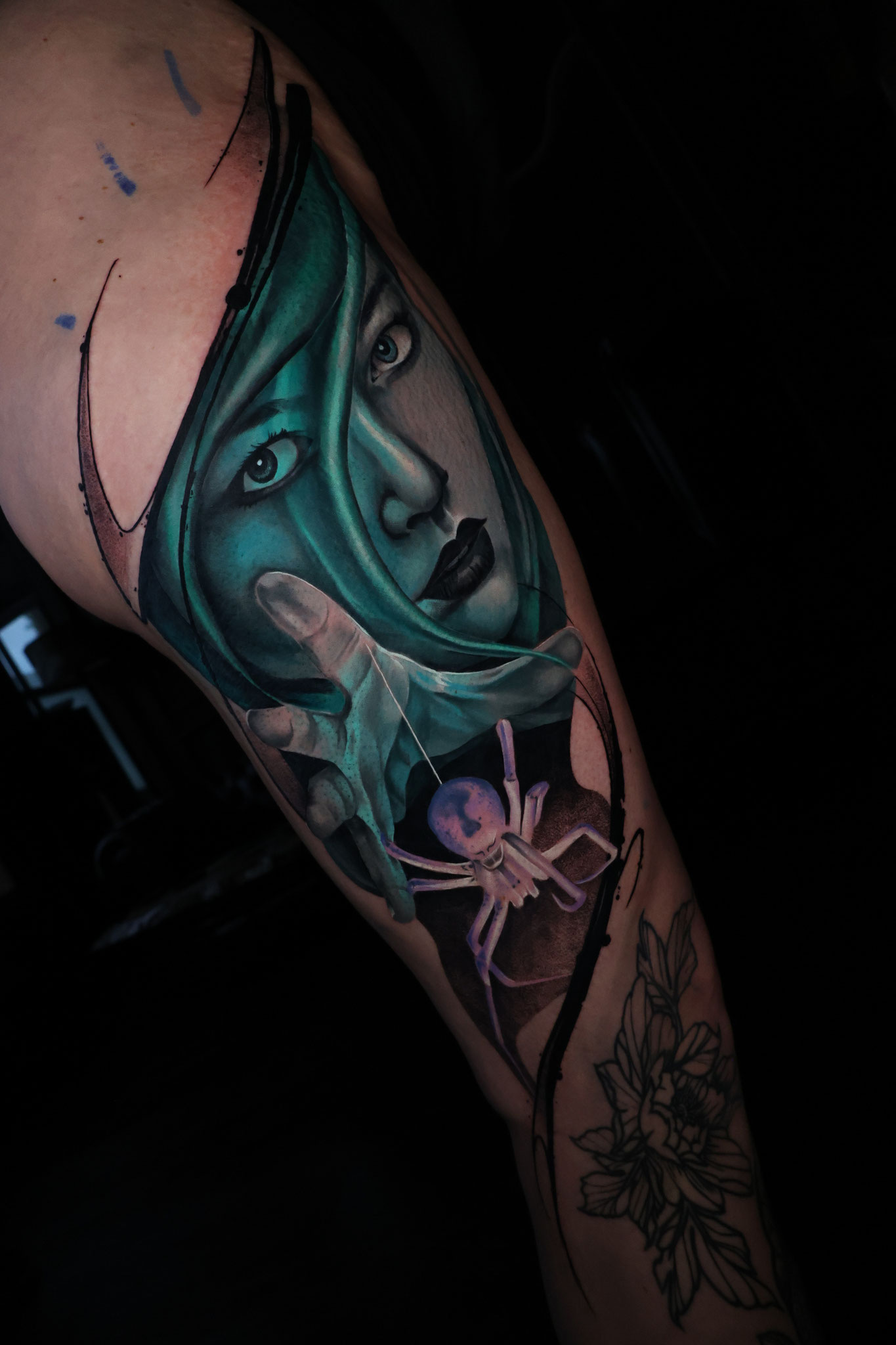
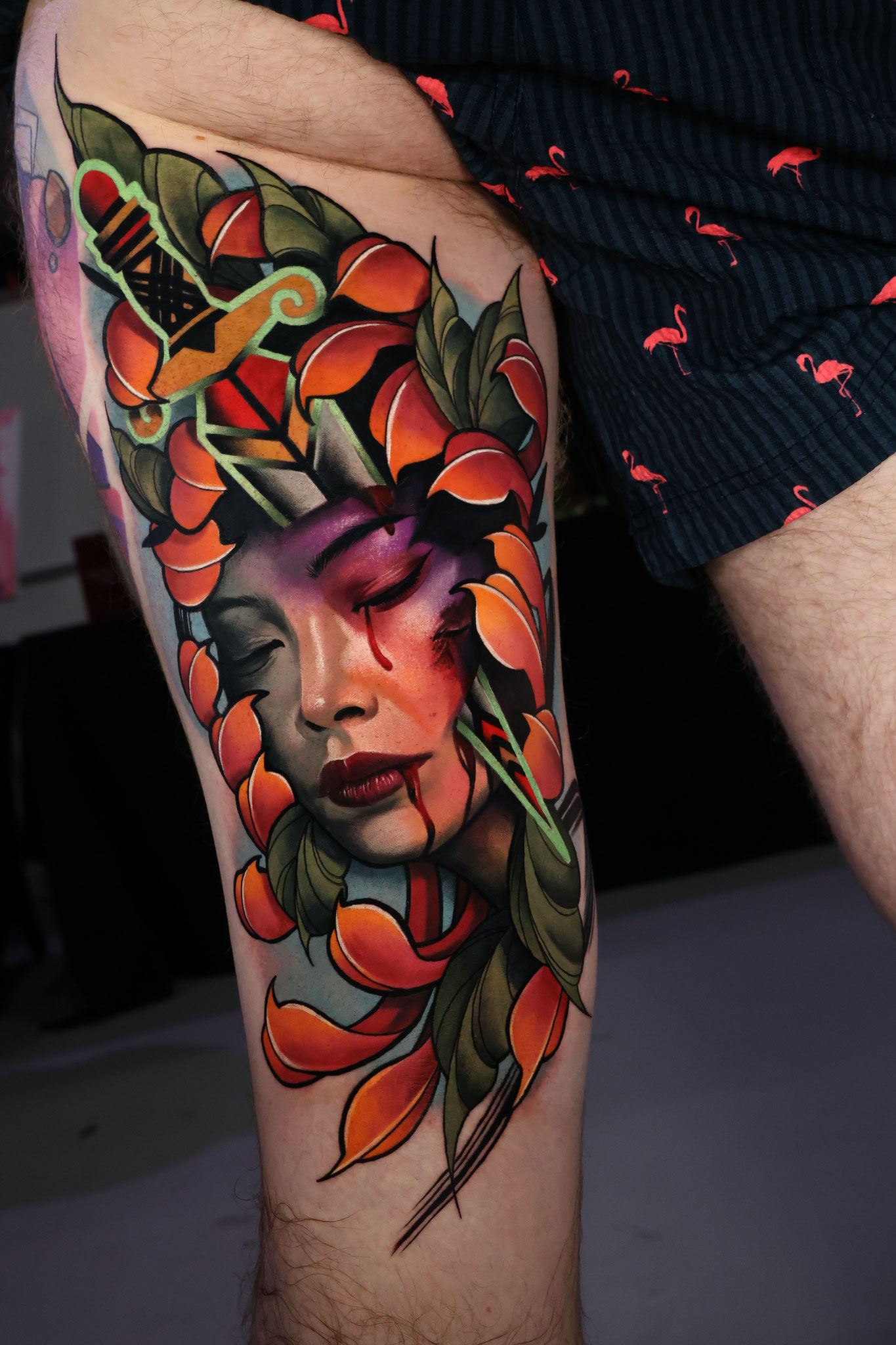
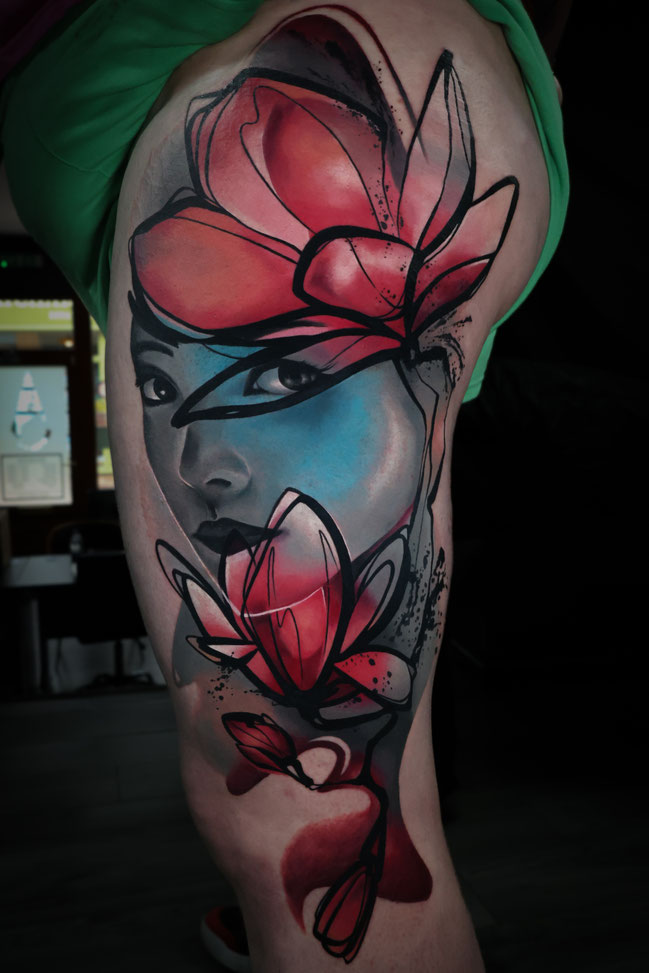
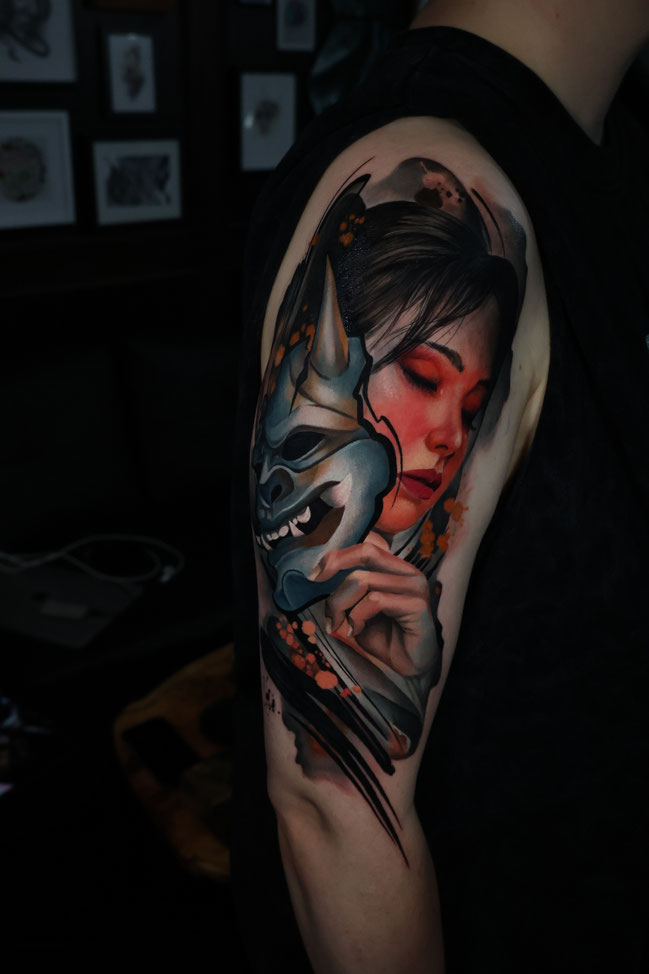
There’s an organised chaos to both my personality and my art. Colour realism provides structure and focus, while watercolour, abstract, and avant-garde elements allow movement and energy within the composition. I’m drawn to unique, unconventional designs that feel dynamic rather than static.
What attracts you to working with colour?
Colour is expressive and demanding. Small adjustments in tone or contrast can completely shift the mood of a piece. Complementary palettes, subtle tonal shifts, and deliberate contrasts allow me to create emotion and movement.
Colour also controls focus — it can pull the main subject forward or dissolve elements into one cohesive atmosphere. That balance between control and fluidity is what keeps me engaged.
Can you describe your creative process from concept to execution?
It starts with having a clear vision of how the tattoo will sit on the body. Composition and flow are considered early, especially how the design interacts with natural contours rather than sitting flat.
I ask clients for a clear photo of the placement area because anatomy varies from person to person. I begin by mapping rough borders and contour lines, then sketch where each element will sit to ensure balance. Research plays a big role — finding reference images with the correct perspective is crucial.
From there, I build the piece layer by layer, allowing it to develop organically before refining contrast, detail, and cohesion.
How do you balance realism with experimental elements?
Realism forms the foundation. From there, I incorporate abstract or stylistic elements in layers. I usually limit myself to a maximum of three styles within one piece to keep the design clean and readable over time.
That restraint ensures realism remains strong while experimental elements enhance rather than overpower the tattoo.
What technical aspects are most important for vibrancy and longevity?
Consistency in application is key. Especially when learning new techniques, maintaining a stable, repeatable method is essential.
Proper saturation keeps colours vibrant without damaging the skin. Overworking can compromise healing. Contrast is equally critical — too much detail without separation can cause tattoos to lose clarity as they age.
How do you approach collaboration and trust with clients?
It always begins with conversation. Consultations help me understand both the visual idea and the emotional meaning behind it. I’m very honest about my strengths, limitations, and timeframes — especially for large-scale projects.
I don’t rush. Good tattoos take time, and setting that expectation early builds trust. I also adapt the session environment to the client’s needs — whether they want conversation or quiet focus, I create a space where they feel comfortable and looked after.

How do you see the evolution of colour tattooing today?
Colour tattooing is advancing rapidly. The technical level continues to rise, and artists are experimenting more boldly than ever. There’s greater openness to blending styles, which creates exciting new possibilities.
It’s inspiring to witness how quickly colour work has developed, and I’m curious to see how far artists will continue to push it.
What are your goals for the coming years?
My focus is refining my technique and building greater consistency in my work while continuing to push myself creatively. Larger multi-session projects are where I feel I grow the most, so I want to work more consistently on those.
I’m also eager to attend more international conventions outside the UK. Combining travel with tattooing — connecting with artists and clients worldwide — is something I’m deeply excited about.
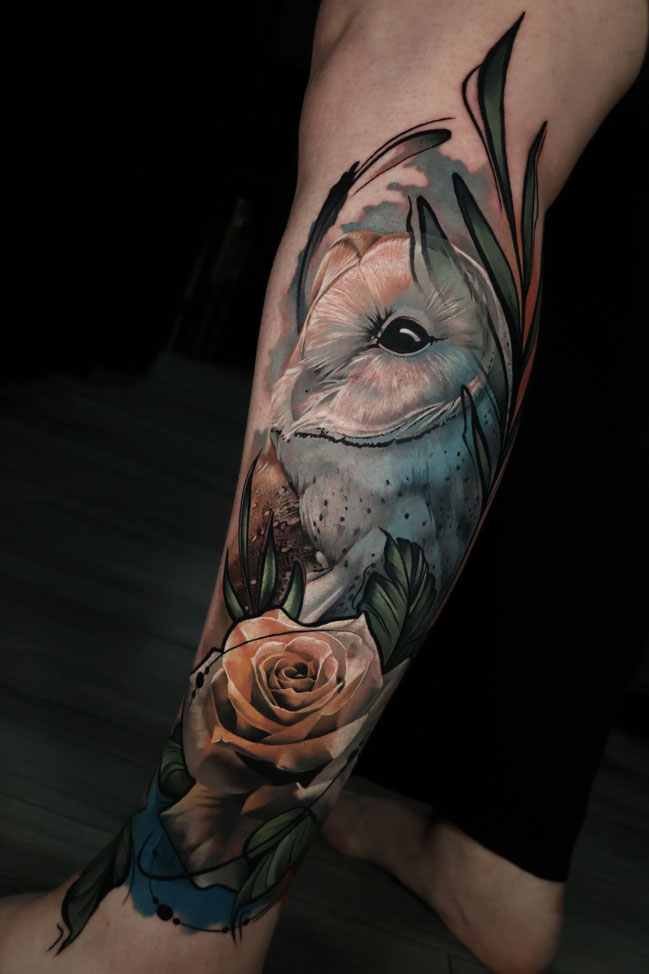
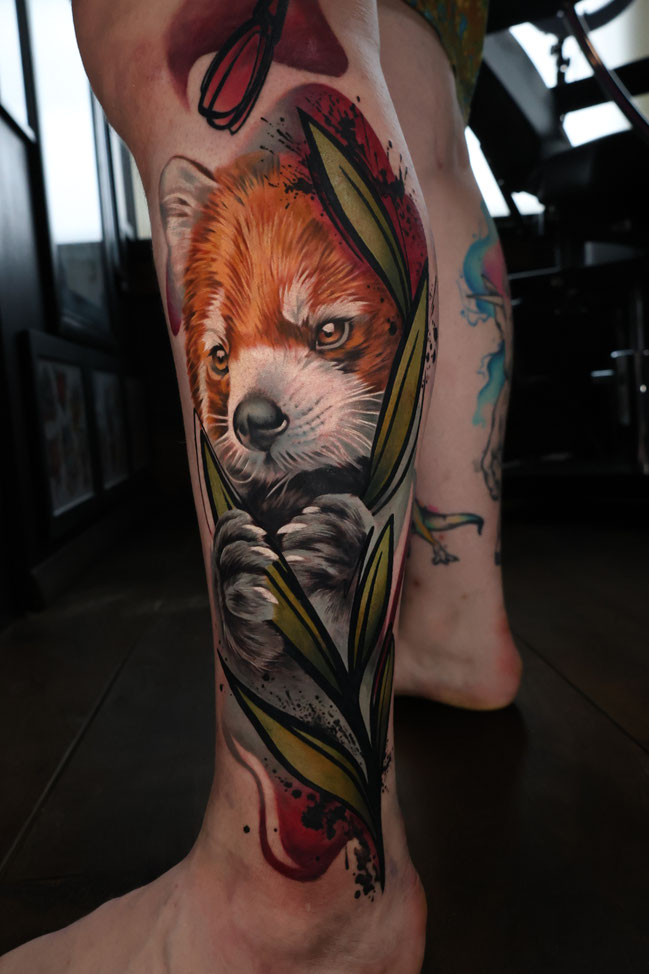
We recommend this artist for her bold integration of colour realism with fluid, avant-garde elements.
Strong compositional awareness and disciplined saturation give her vibrant work clarity and longevity.
An evolving colour specialist pushing creative boundaries with intention and control.

Information
-
Colour realism/ watercolour/ avant garde
-
11 years
-
Derby, United Kingdom
-
Instagram: @Kimmi.gayle
-
The grey heron, 5 friar gate, Derby, De1 1bu