Certified Artist 2026
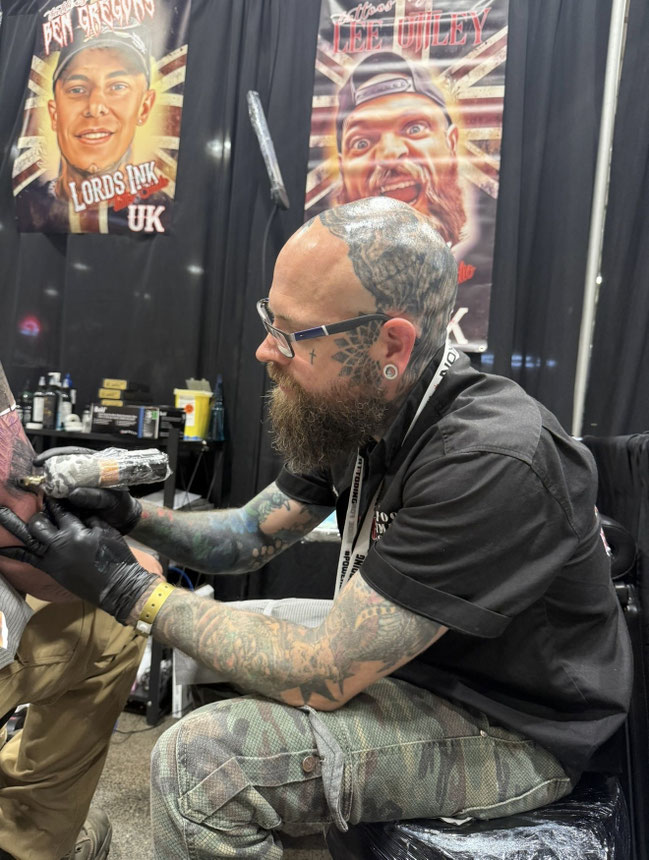
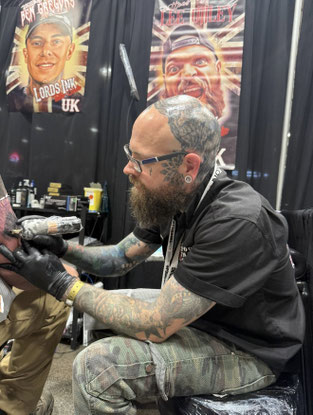
Lee Uttley
Old-School Roots. Timeless Black & Grey.
Interview
How did you first get into tattooing, and what was the tattoo scene like when you started 24 years ago?
I started working in tattoo studios when I was 17, nearly 27 years ago, and began tattooing properly 24 years ago. But if I’m honest, it started much earlier. When I was four years old, I used to watch my dad get tattooed in our kitchen by a family friend — an old-school tattooist from the ’60s through the late ’80s named Derek Della. He was tattooed from neck to toe and had this incredible character. I just wanted to be like him.
At 13, I worked as a paperboy, earning about three pounds a week. I’d spend all of it on tattoo magazines and sweets, studying artists like Bob Tyrrell, Tom Renshaw, Paul Booth, and Jack Rudy. I would sit for hours trying to draw what they created.
I got my first tattoo at 14 and by 17 was hanging around a local flash shop, cleaning stations, setting up artists, making stencils, and dealing with customers. Back then the industry was secretive. Apprenticeships were rare, information was limited, and everything was hands-on. Coil machines, soldered needles, flash off the wall — most tattoos were walk-ins. It was a very different world.
Looking back over your career, what experiences shaped you the most?
The hardest lessons shaped me the most. Failed business partnerships, financial losses, even bankruptcy — those setbacks forced me to become more resilient and careful about who I trust.
On the positive side, meeting my teacher Road in Thailand changed everything. Training under him, traveling the world, opening my own studio, winning awards, and being featured in magazines gave me confidence and direction. The highs and lows together built both my character and my artistic voice.
You work mainly in black and grey but across multiple styles — how would you define your artistic identity today?
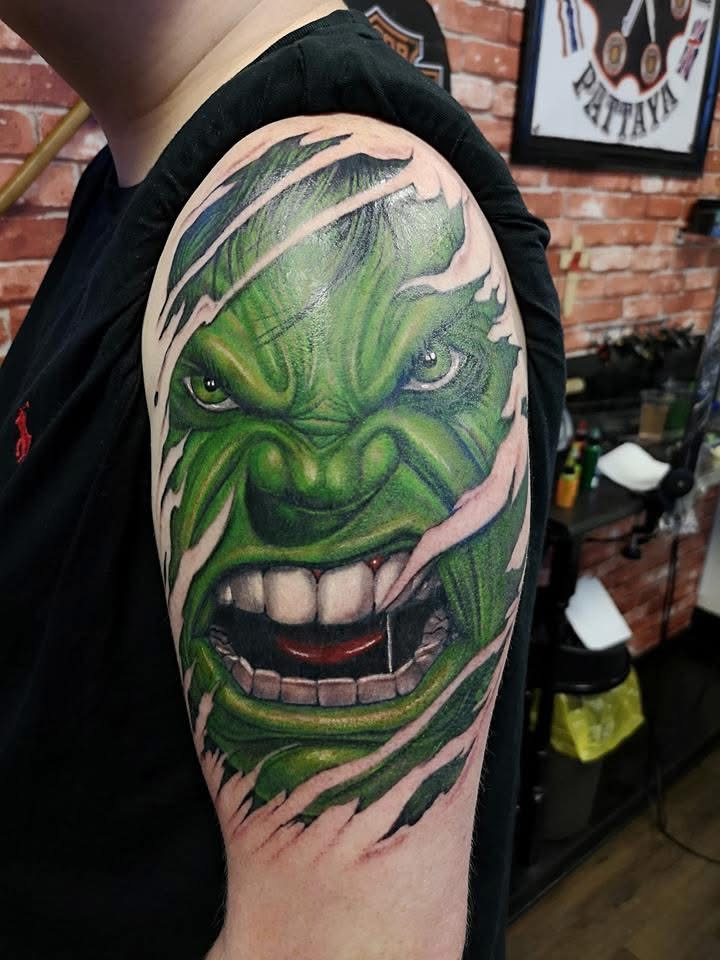
I’ve always believed a tattoo artist should be versatile. When I started, you had to tattoo everything — linework, shading, colour packing — all fundamentals. I still believe in that foundation.
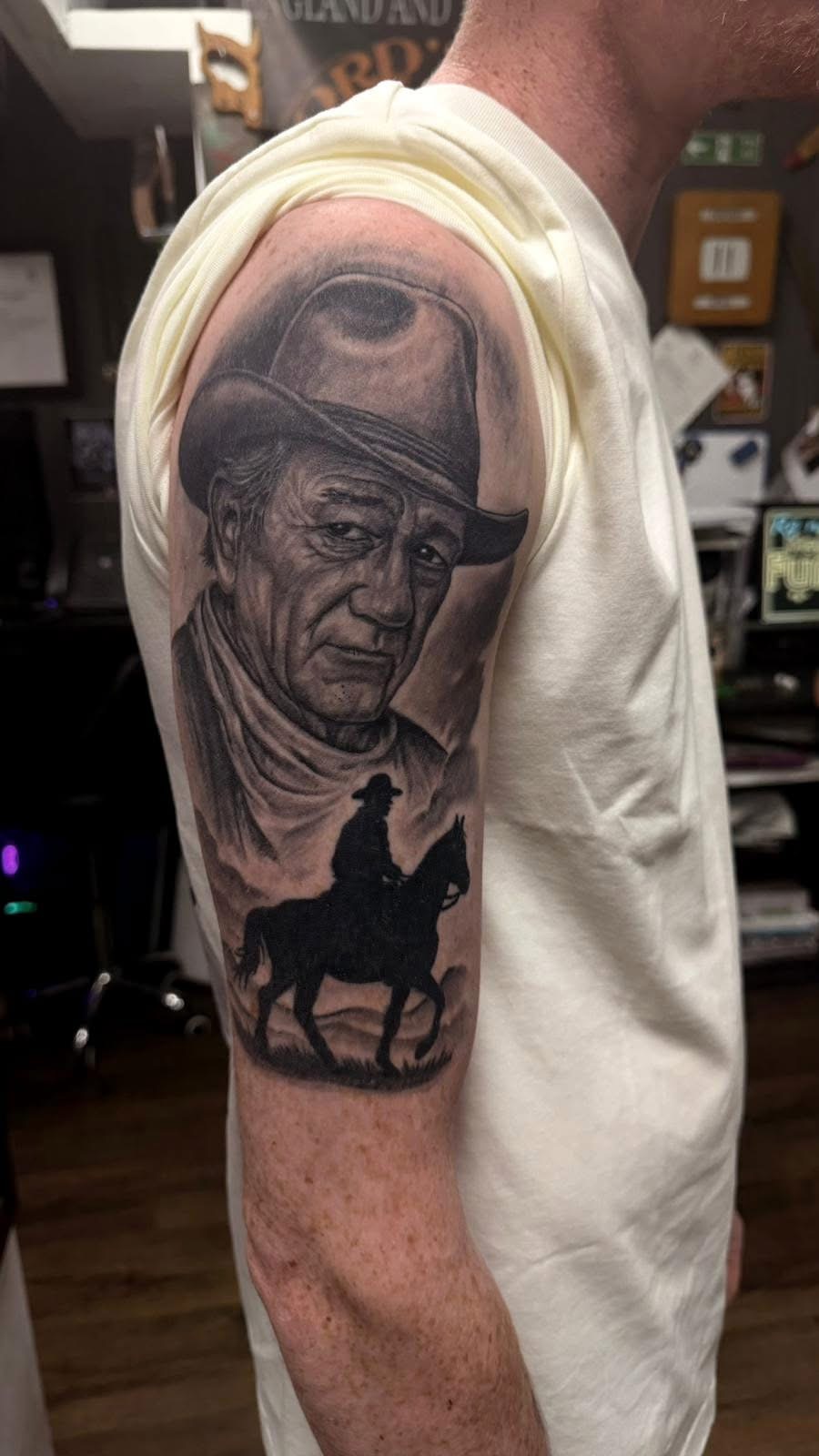
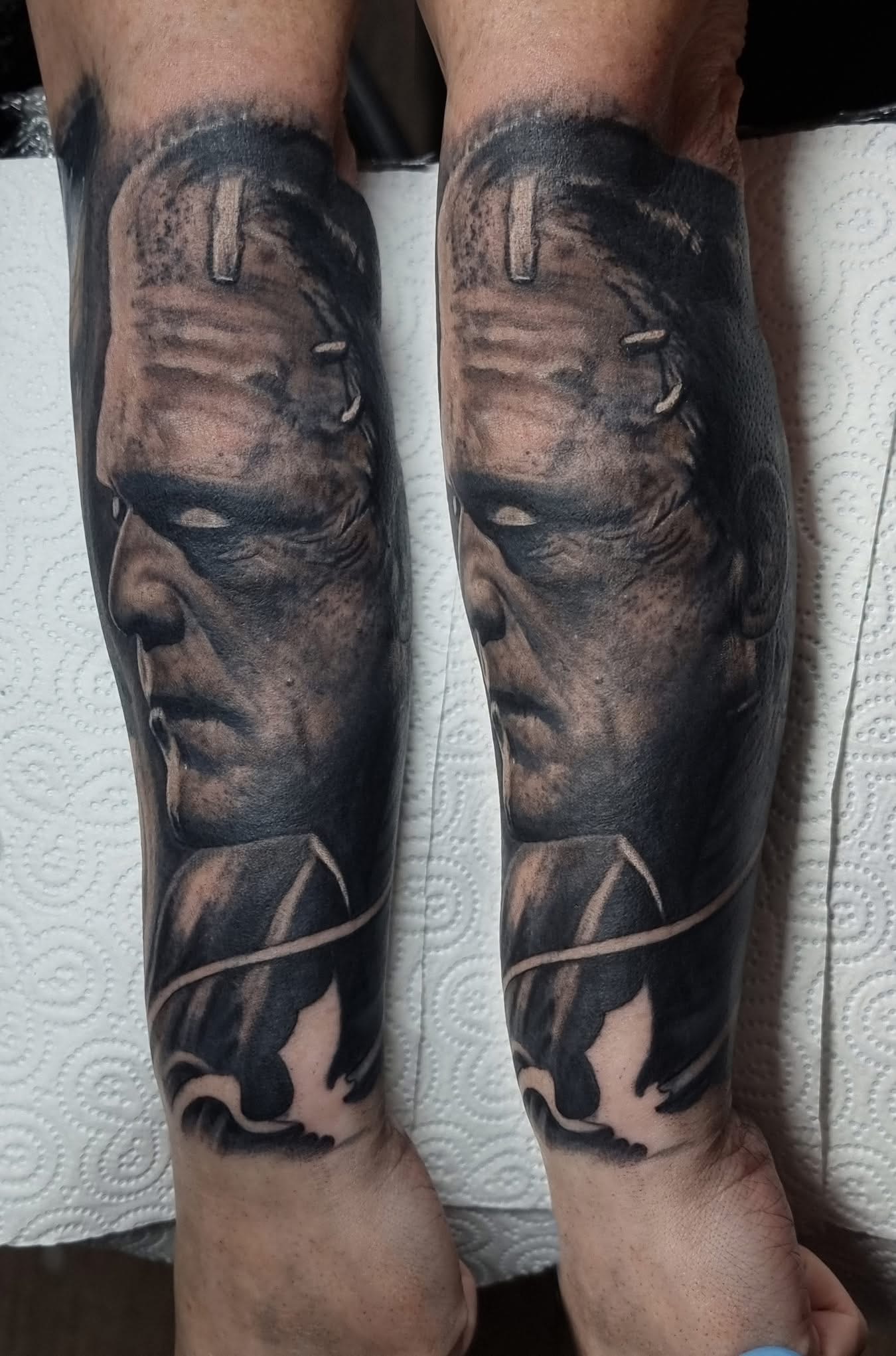
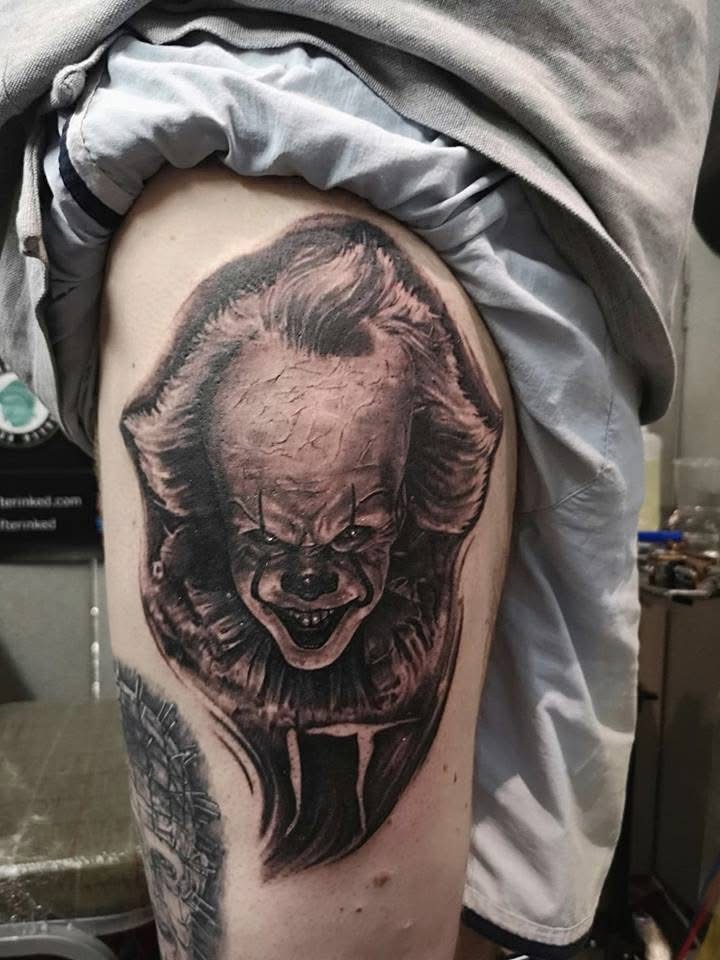
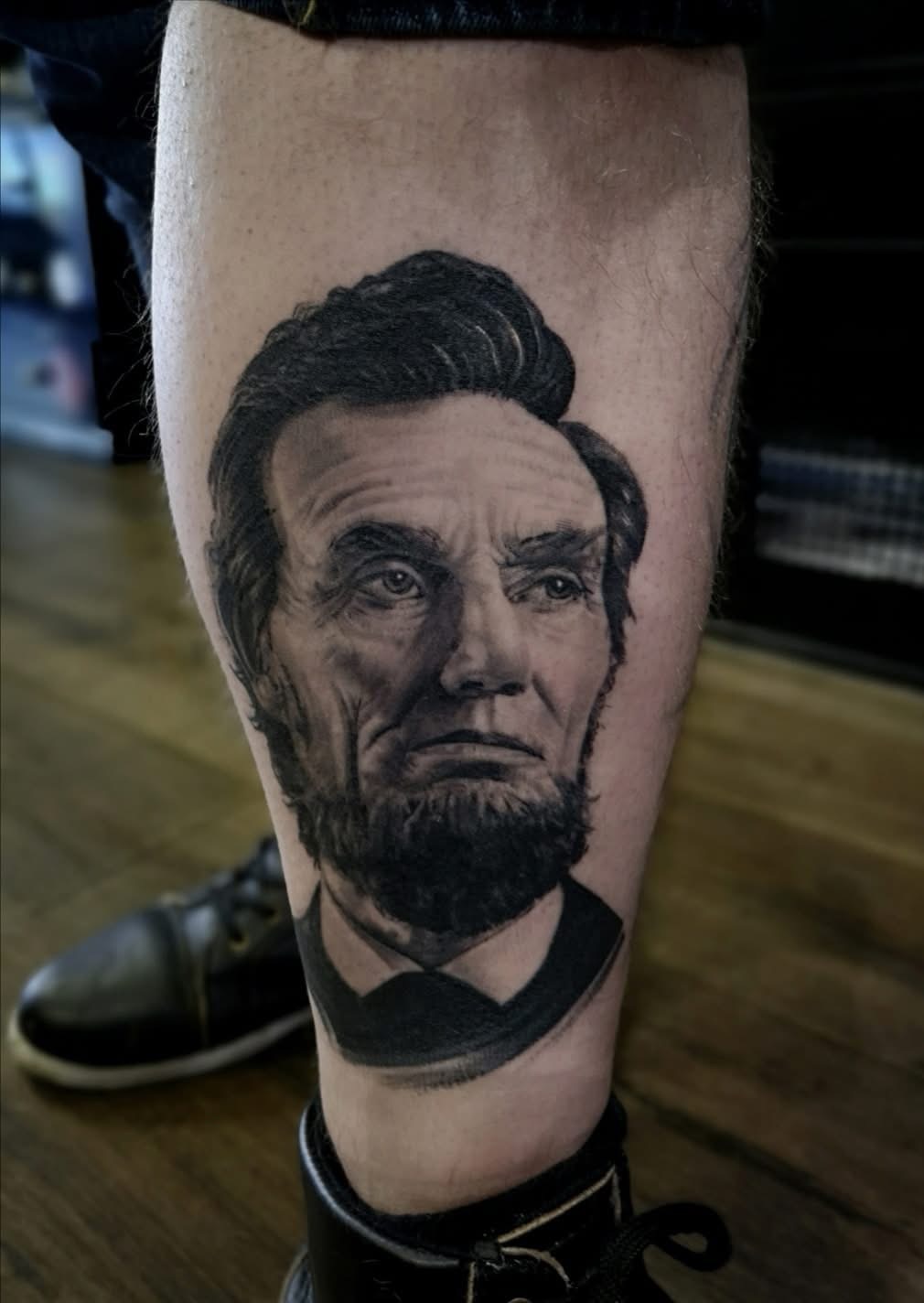
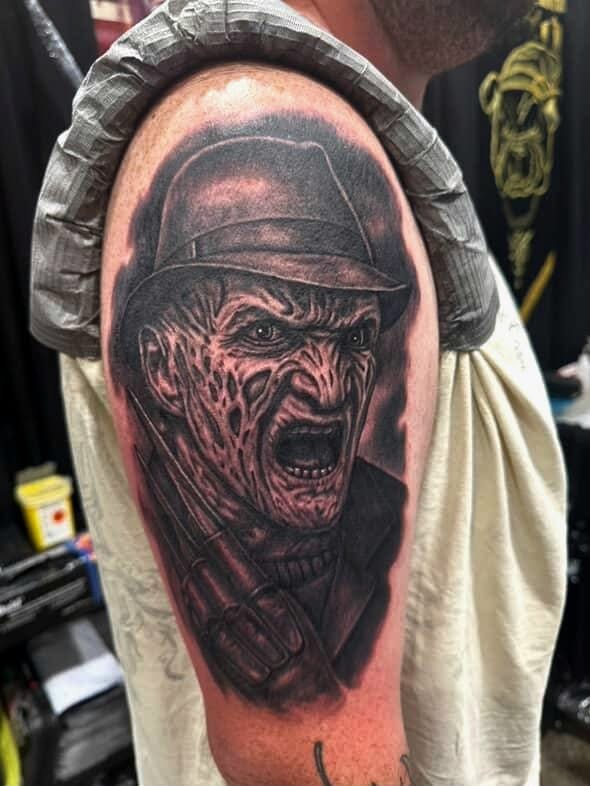
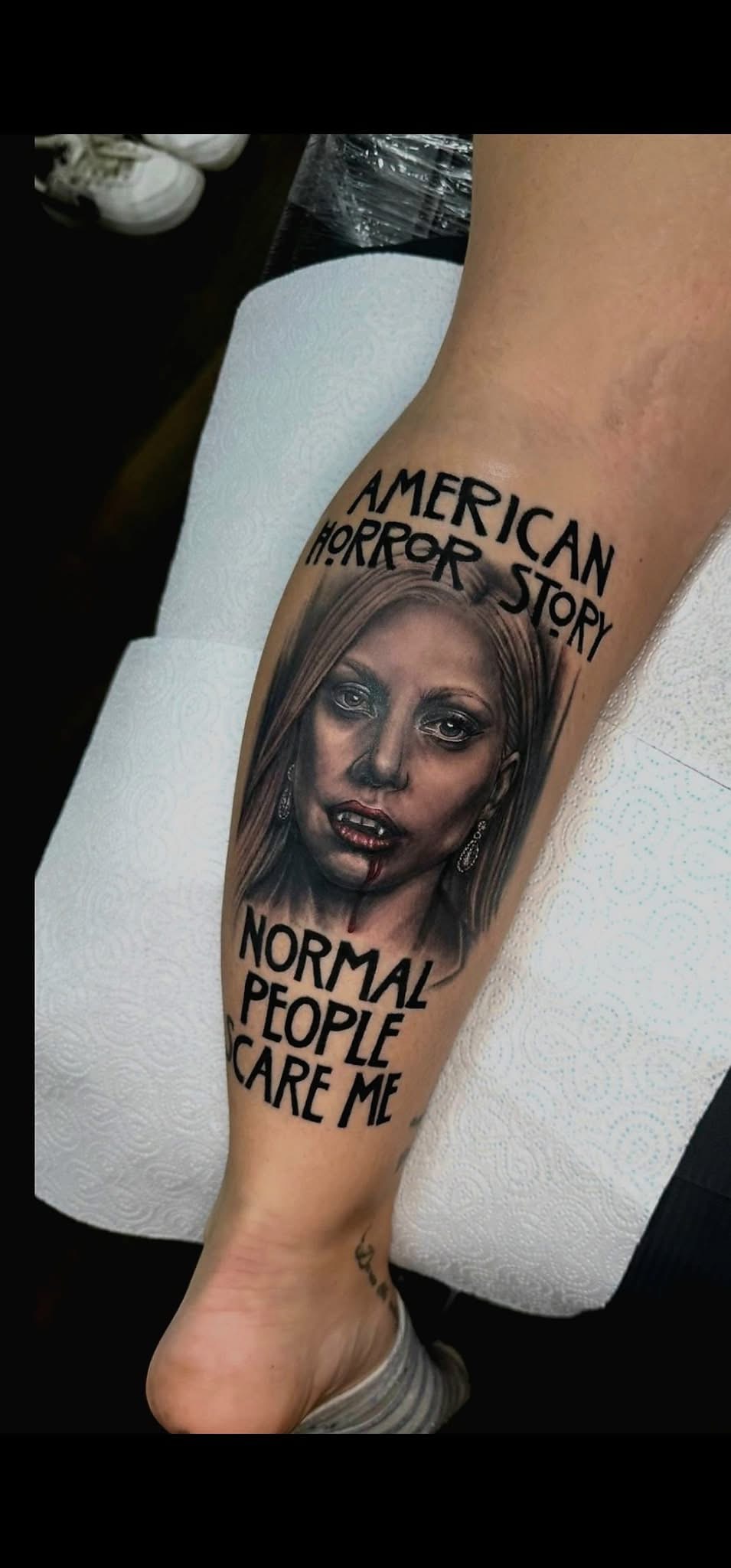
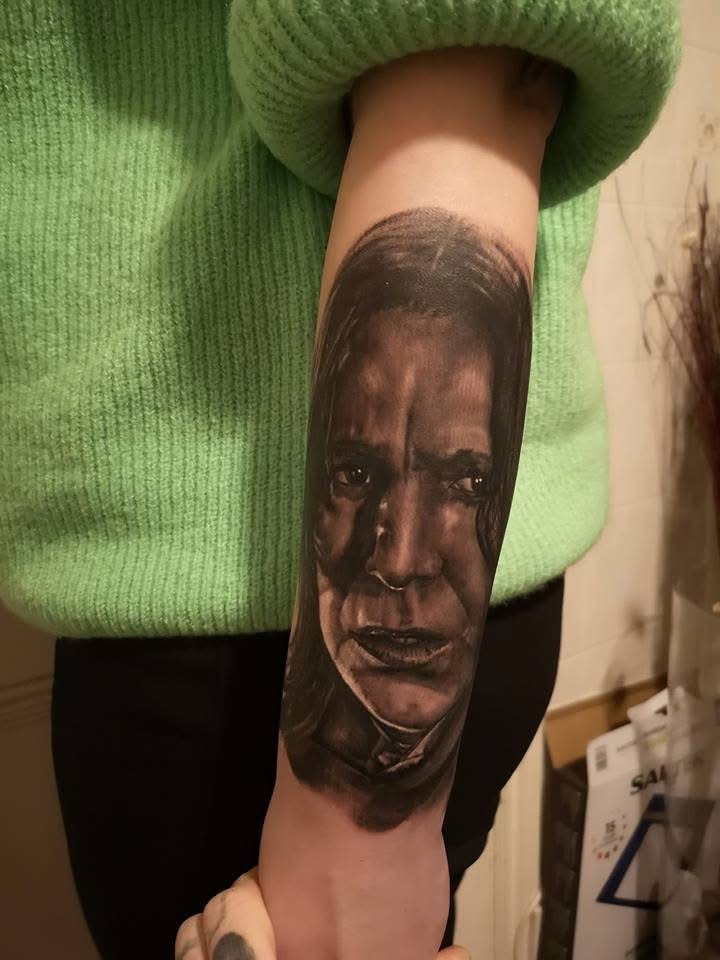
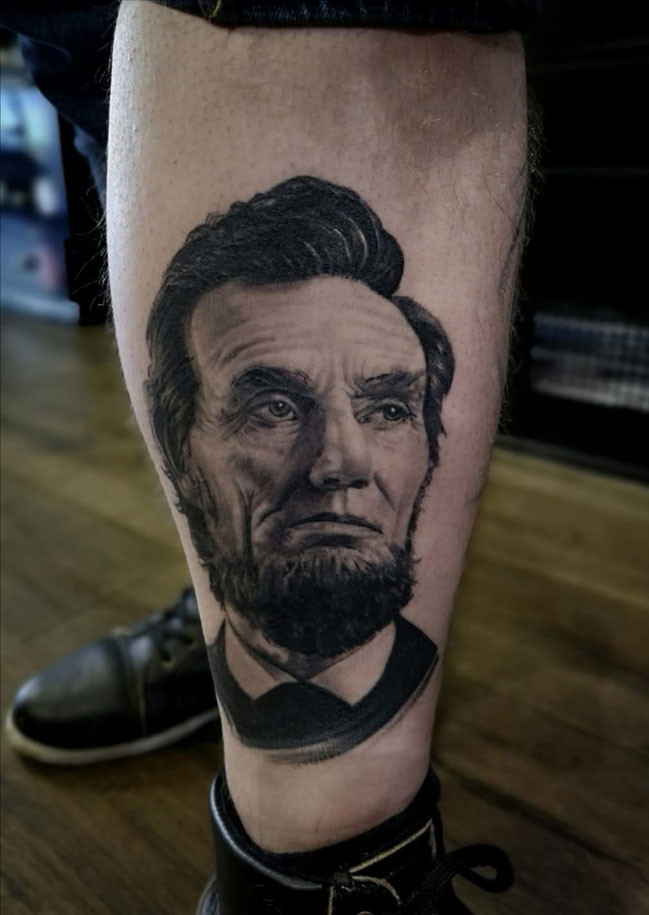
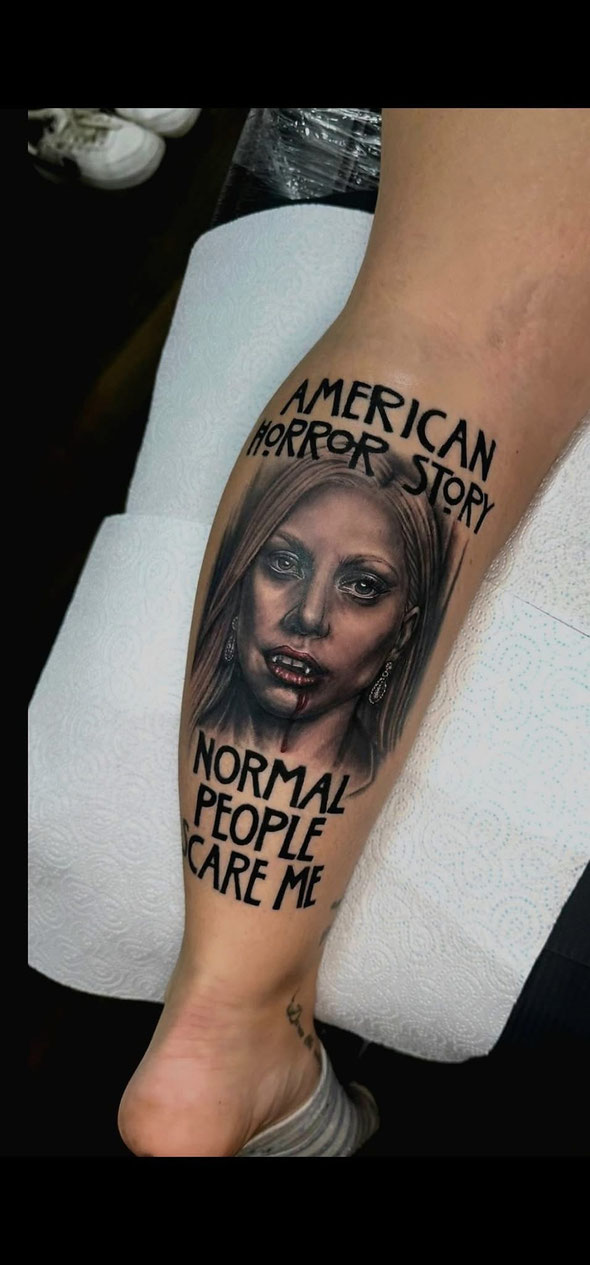
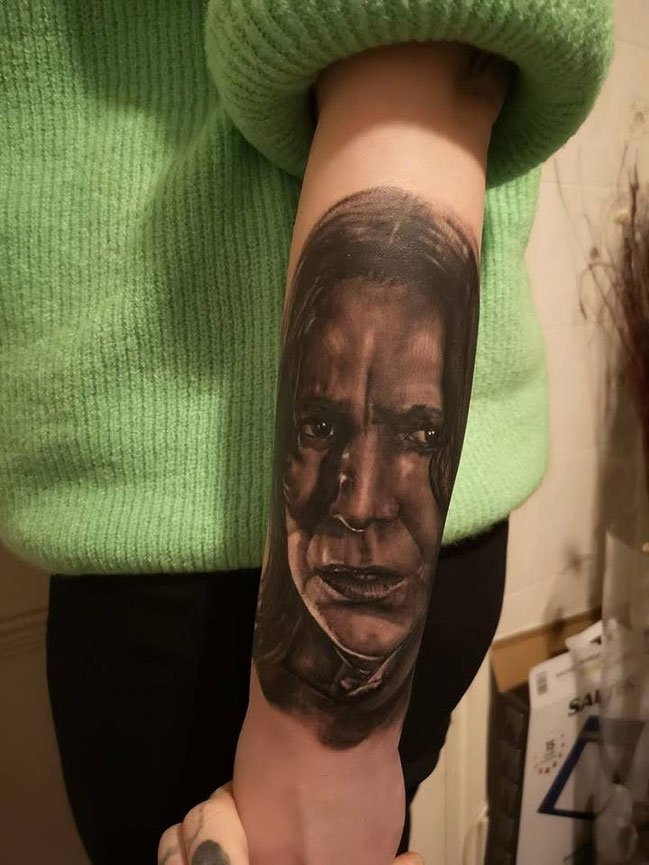
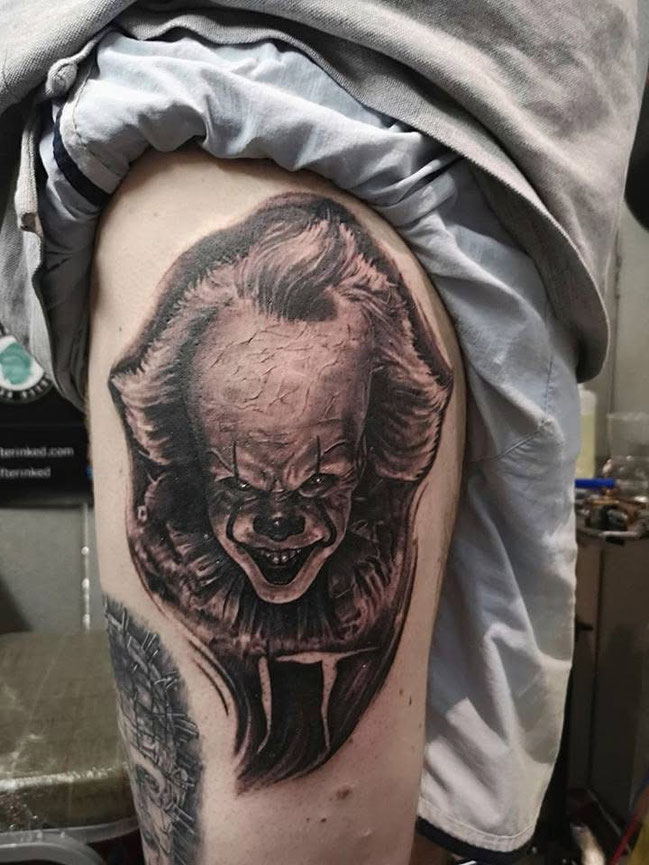
That said, I’m most drawn to black and grey, especially realistic portraits and horror-inspired imagery. If I could tattoo horror movie portraits or skulls every day, I’d be happy. But I also appreciate colour, traditional work, and Japanese tattooing. My teacher was a highly skilled Japanese artist, and I learned a lot about composition and freehand work from him.
Today, my identity is rooted in experience, versatility, and longevity — with a strong awareness of how tattoos age over time.
How has your style and approach evolved over the years?
After seeing tattoos age for one year, five years, ten years, and even twenty years, I’ve adapted my approach. I build stronger contrast and make deliberate design choices to ensure longevity.
Experience teaches you that what looks good on day one isn’t always what lasts. My focus now is creating work that stands the test of time.
What does your creative process look like today compared to when you started?
In the beginning, it was trial and error — learning from books like Tattooing A to Z and from real hands-on mistakes. Today, my process is more intentional and refined.
For large or meaningful projects, I insist on in-person consultations whenever possible. Seeing the body shape, discussing placement, and building a personal connection is essential. I often create multiple versions of a design until it’s right. Sometimes freehand adjustments happen on the day, but the groundwork is always laid face-to-face.
What technical aspects are most important for high-quality, long-lasting tattoos?
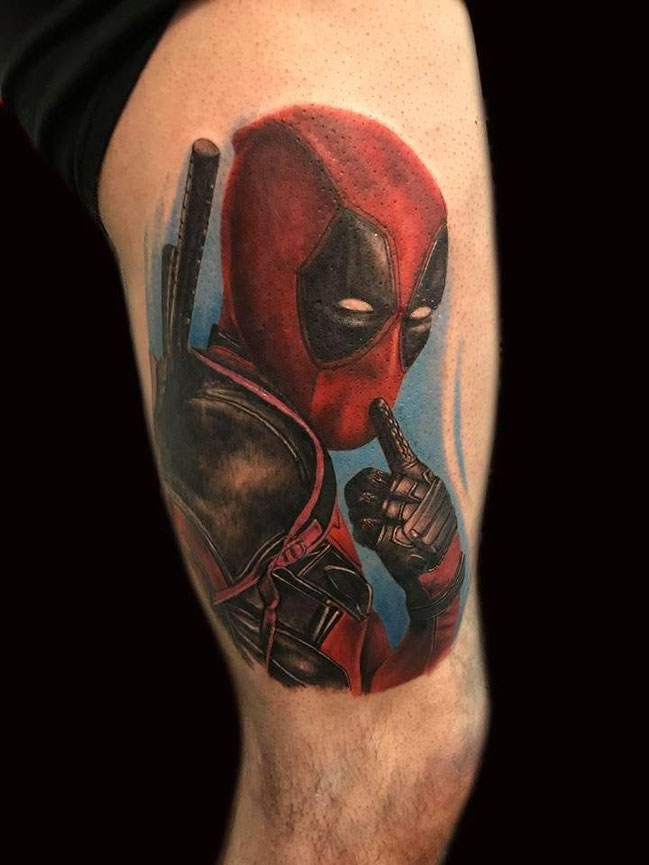
Strong contrast and fundamentals. Solid blacks, clean shading, proper composition.
Longevity comes from understanding how skin heals and ages. Building depth correctly and avoiding unnecessary detail ensures the tattoo remains readable over time.
How do you approach large or meaningful projects with clients?
I take a traditional, personal approach. I don’t rely heavily on online consultations. Meeting in person builds trust and clarity. Once that foundation is set, the design process becomes collaborative and focused.
Years of experience have taught me that clear communication and preparation lead to the strongest results.
How do you see the tattoo industry today compared to when you began?
The industry has changed dramatically. It used to be secretive, apprenticeships were rare, and there was strong old-school respect. Now there are studios everywhere, online courses, and social media shaping perceptions.
There are positives — better sterilization, improved machines, higher-quality inks — but also downsides. Digital editing and AI make it harder to judge what’s real and how tattoos truly age. It’s a different world, with both progress and lost traditions.
What keeps you motivated after more than two decades?
Tattooing isn’t just a job — it’s my life. I live and breathe it every day. I still want each tattoo to be better than the last one. Seeing incredible work from other artists pushes me to improve.
The passion hasn’t faded. If anything, it’s grown stronger with experience.
What are your goals for the next stage of your career?
To keep learning. You never stop learning in this craft. I want to continue traveling, attending more conventions, pushing my work further, and enjoying every moment of it.
Just keep rocking and rolling.
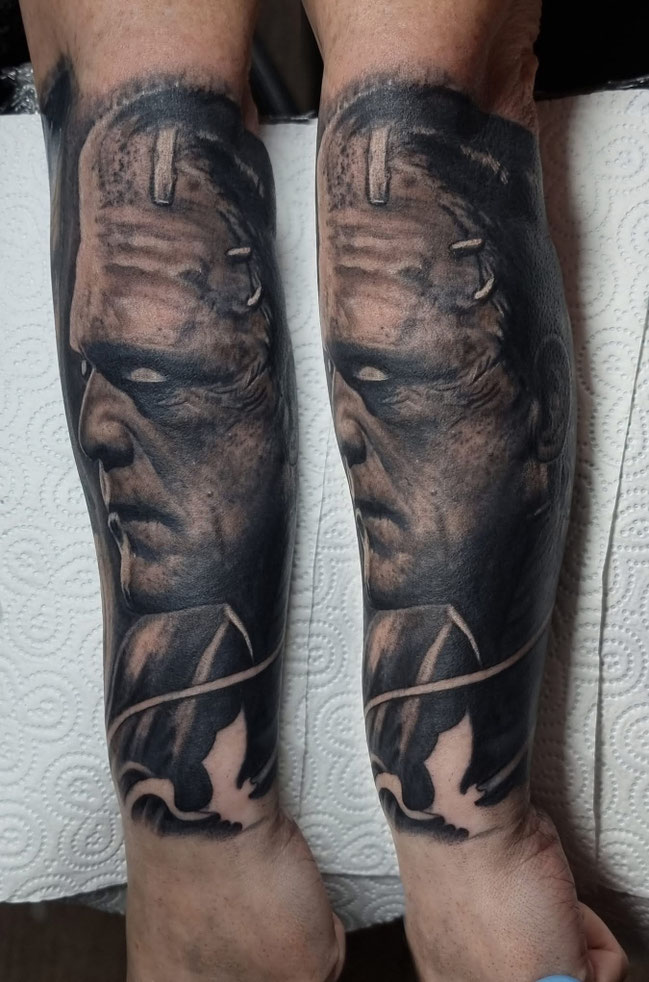
We recommend this artist for his decades of hands-on experience, technical discipline, and deep understanding of how tattoos truly
age.
Rooted in traditional foundations yet refined through global experience, his black & grey work reflects contrast, longevity, and
character.
A seasoned craftsman who values resilience, authenticity, and tattoos built to stand the test of time.
Information
-
Black & Grey / Multi-style Tattooing
24 years of experience
Bexhill, East Sussex – England
Instagram: @lordsinktattoostudiouk