Certified Artist 2026
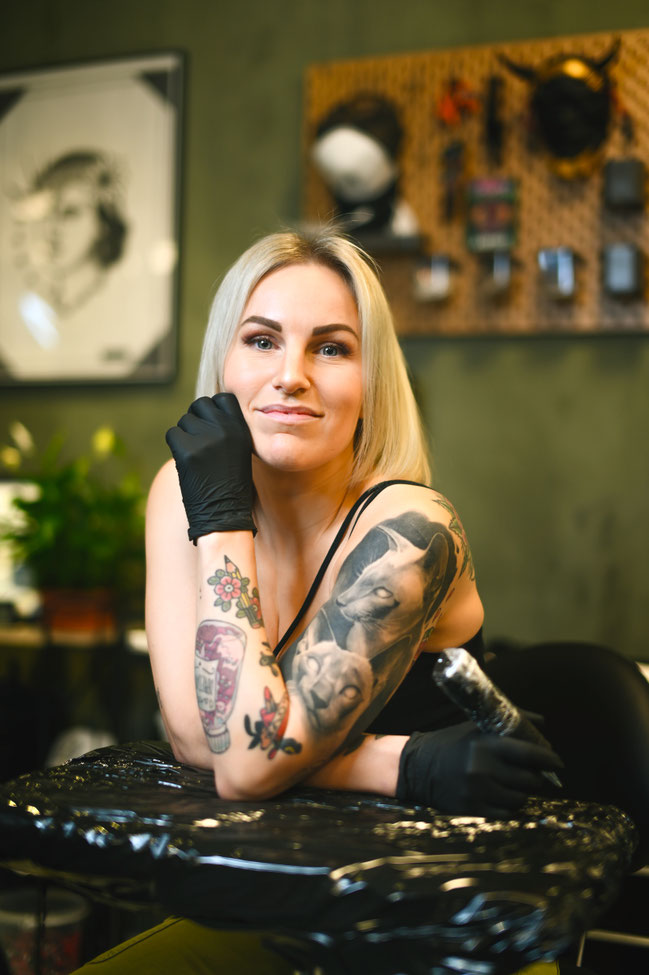
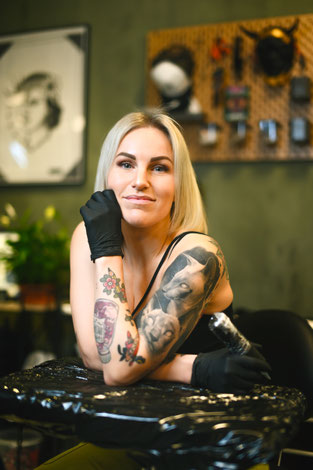
Marianne Husnes-Isachsen
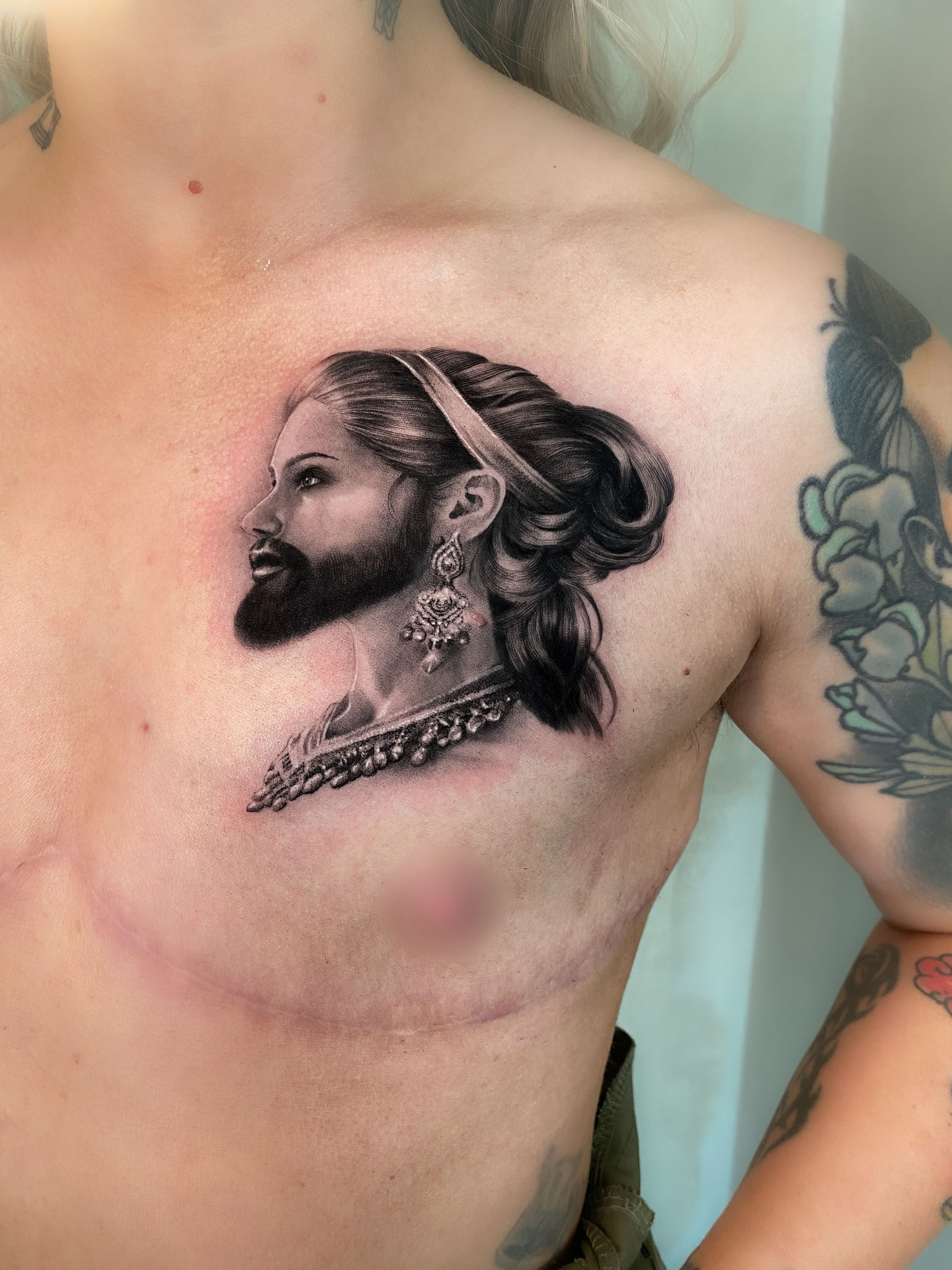
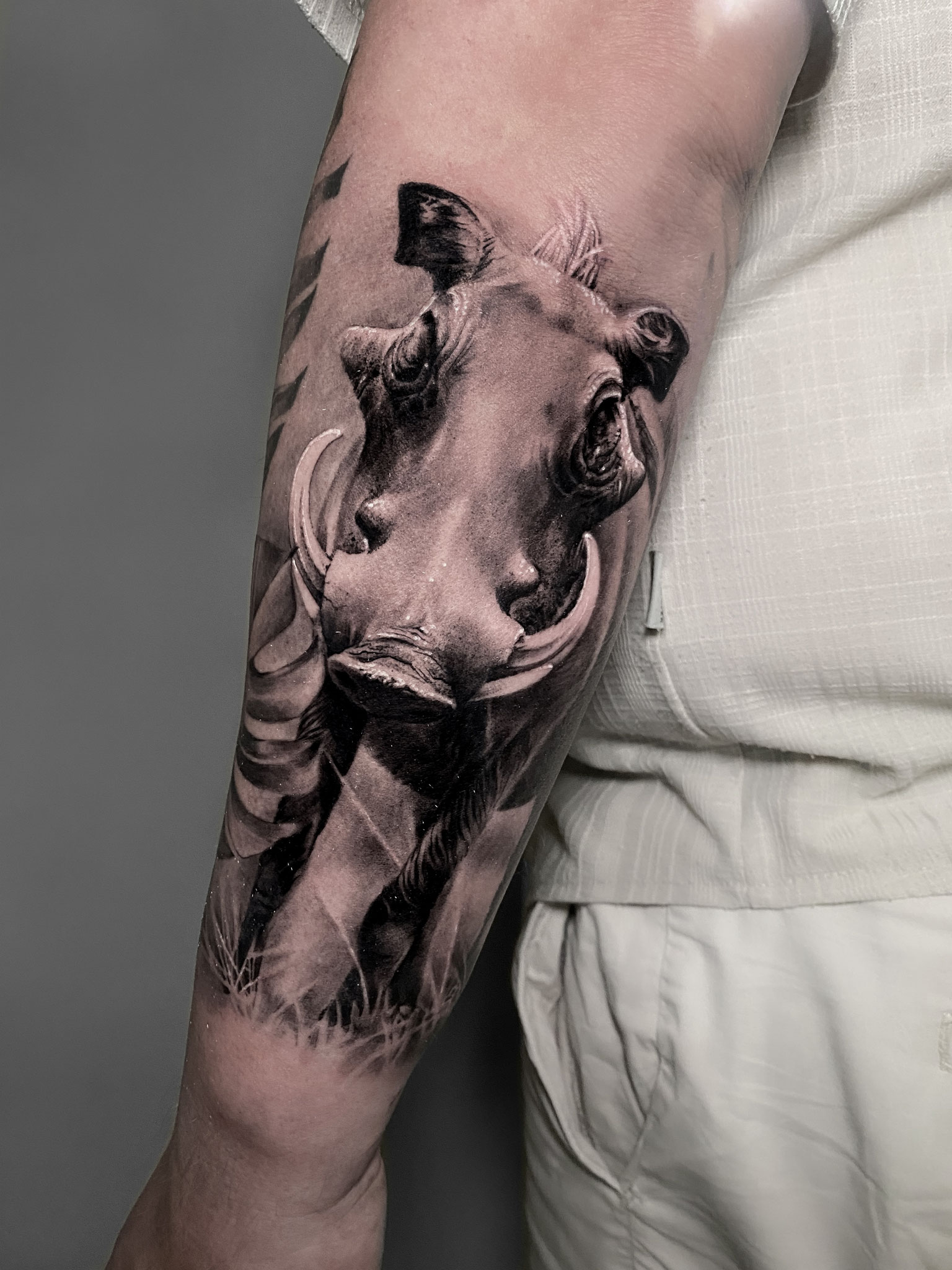
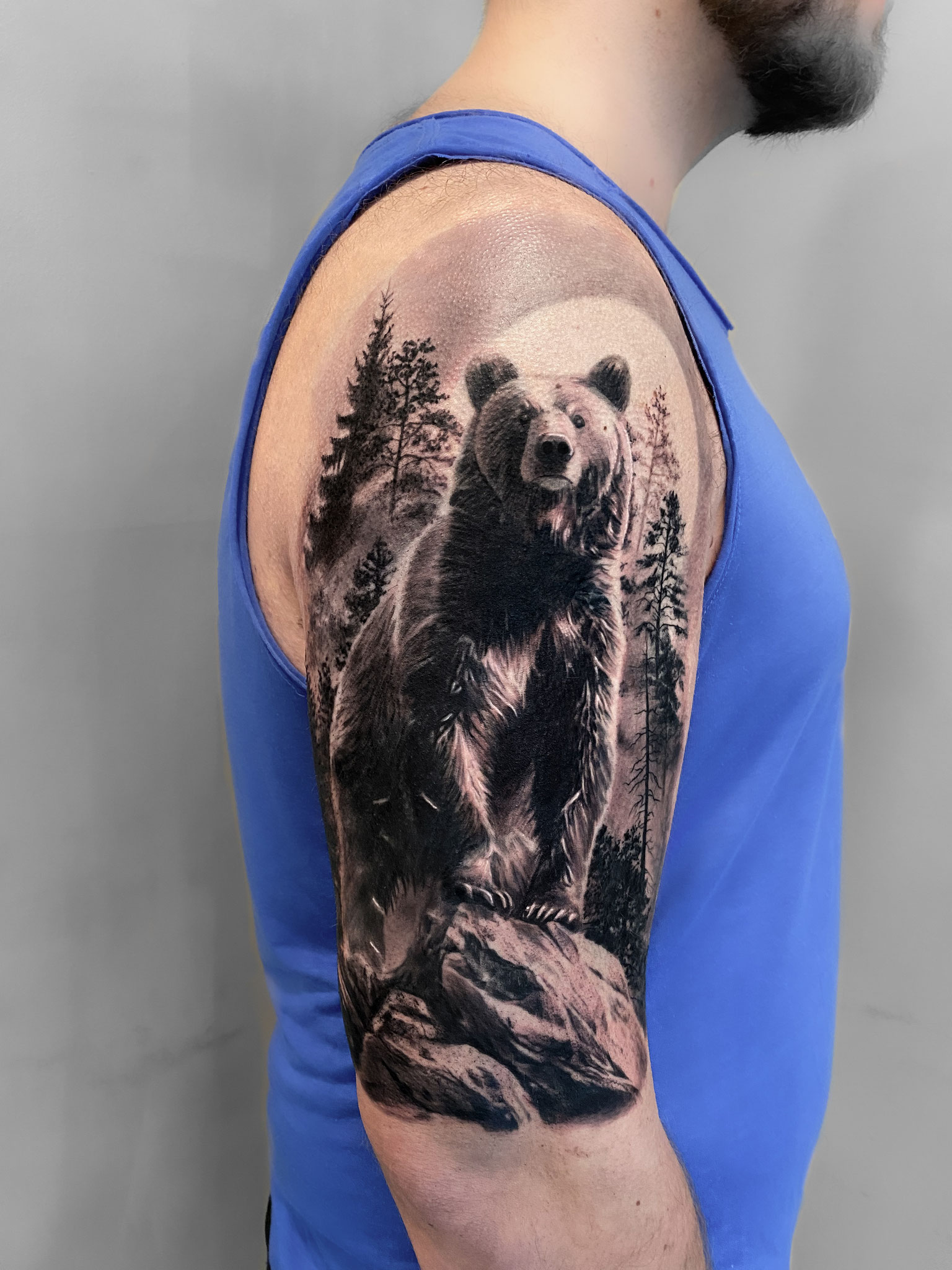
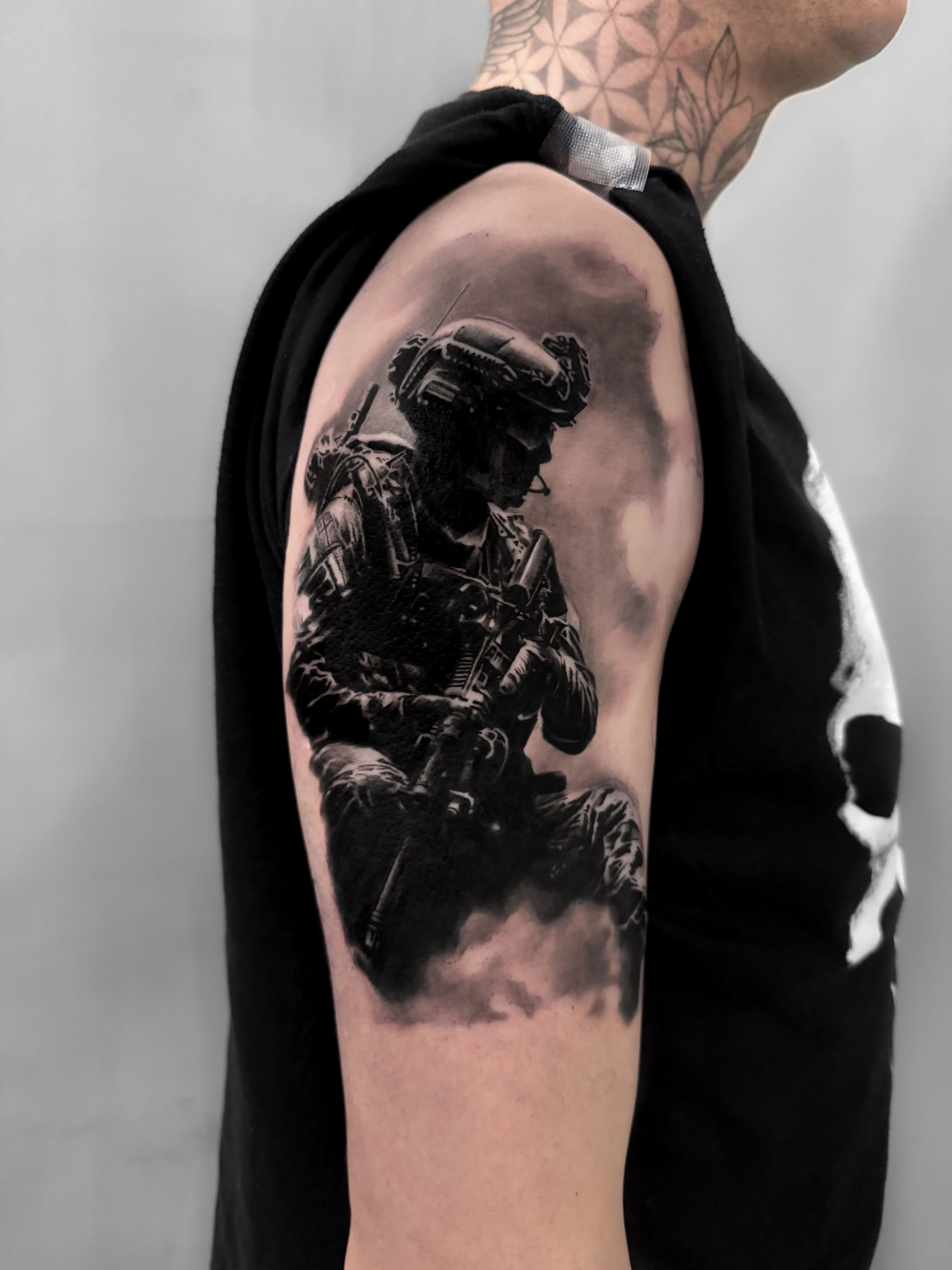
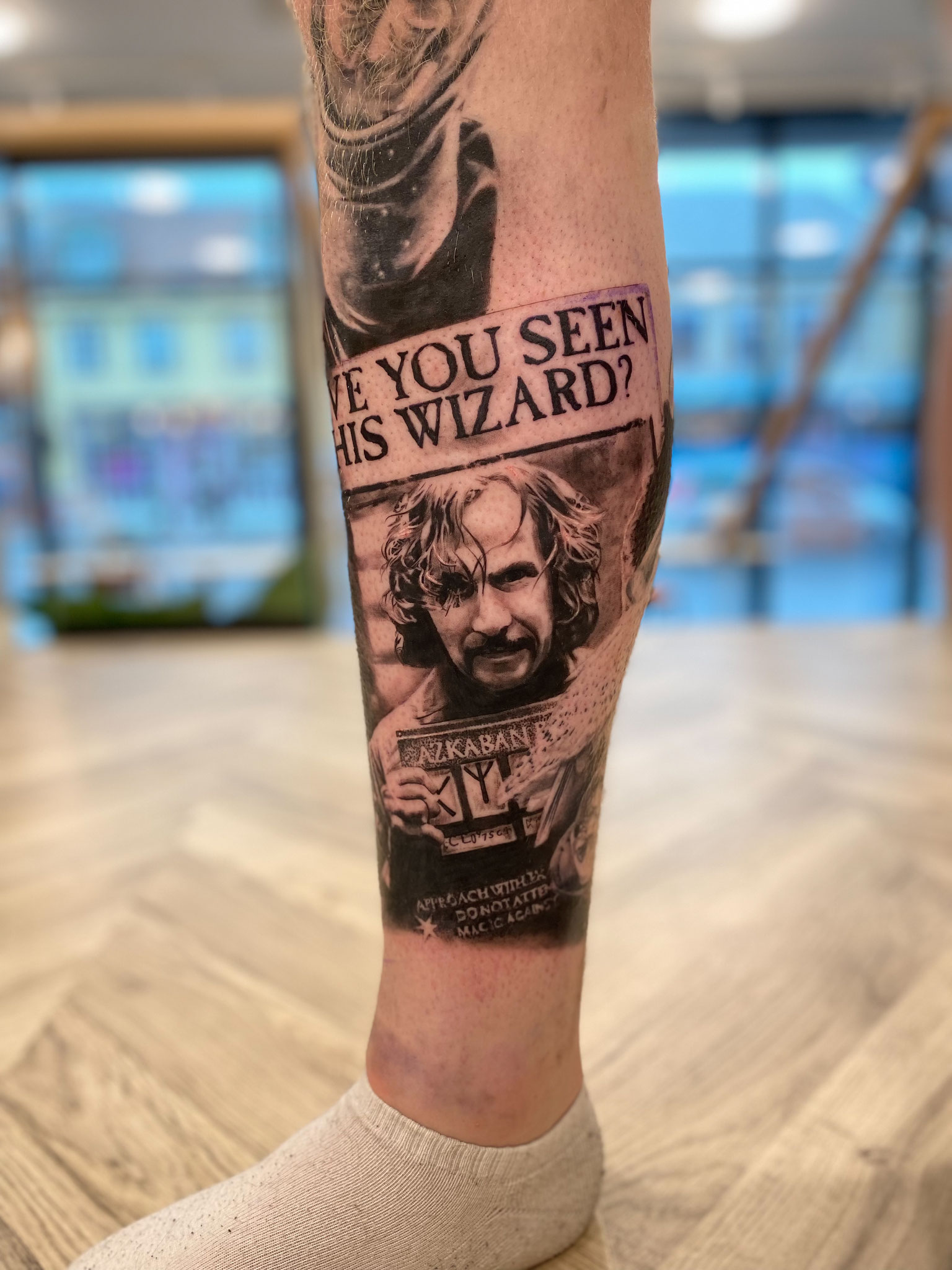
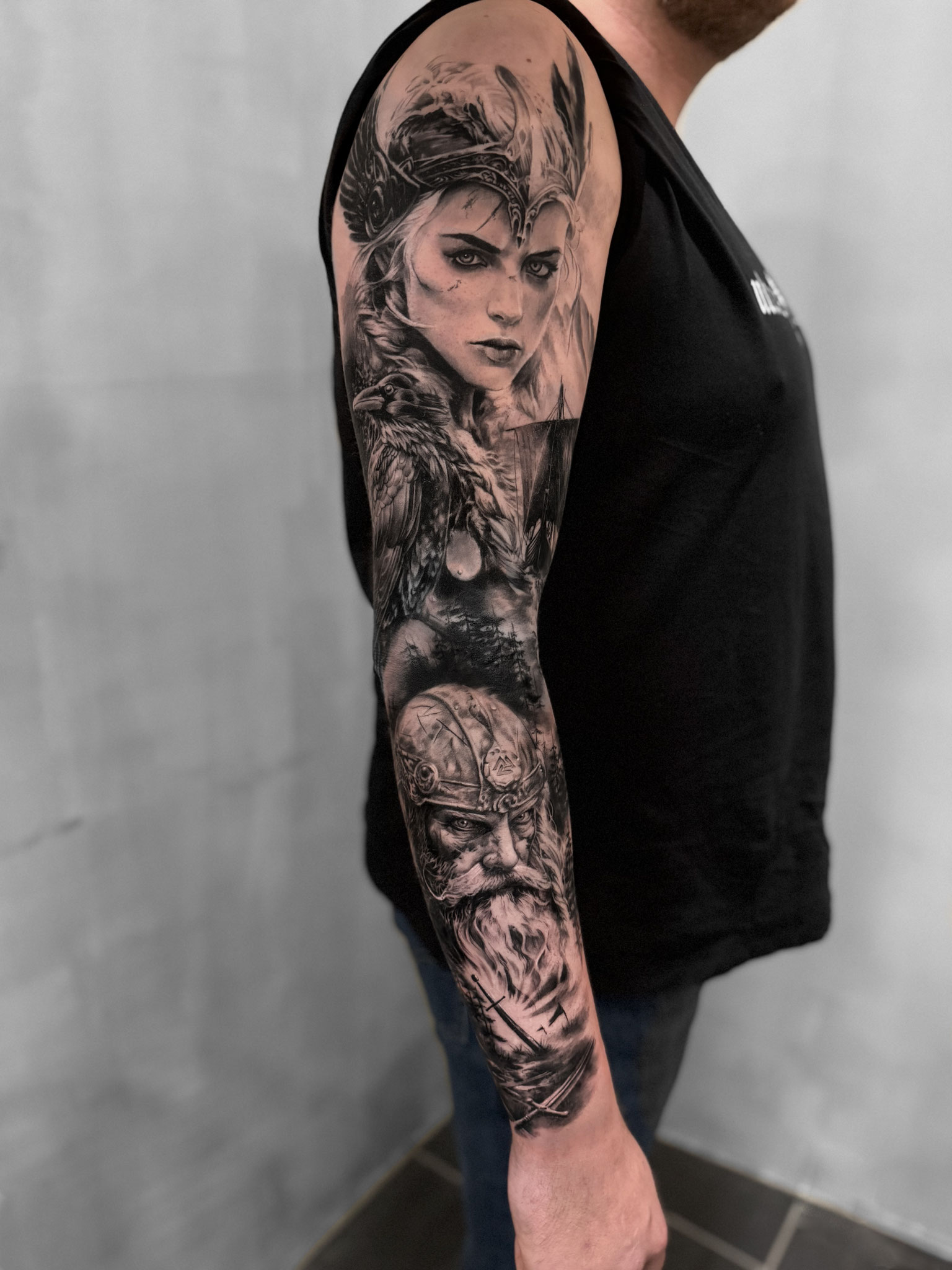
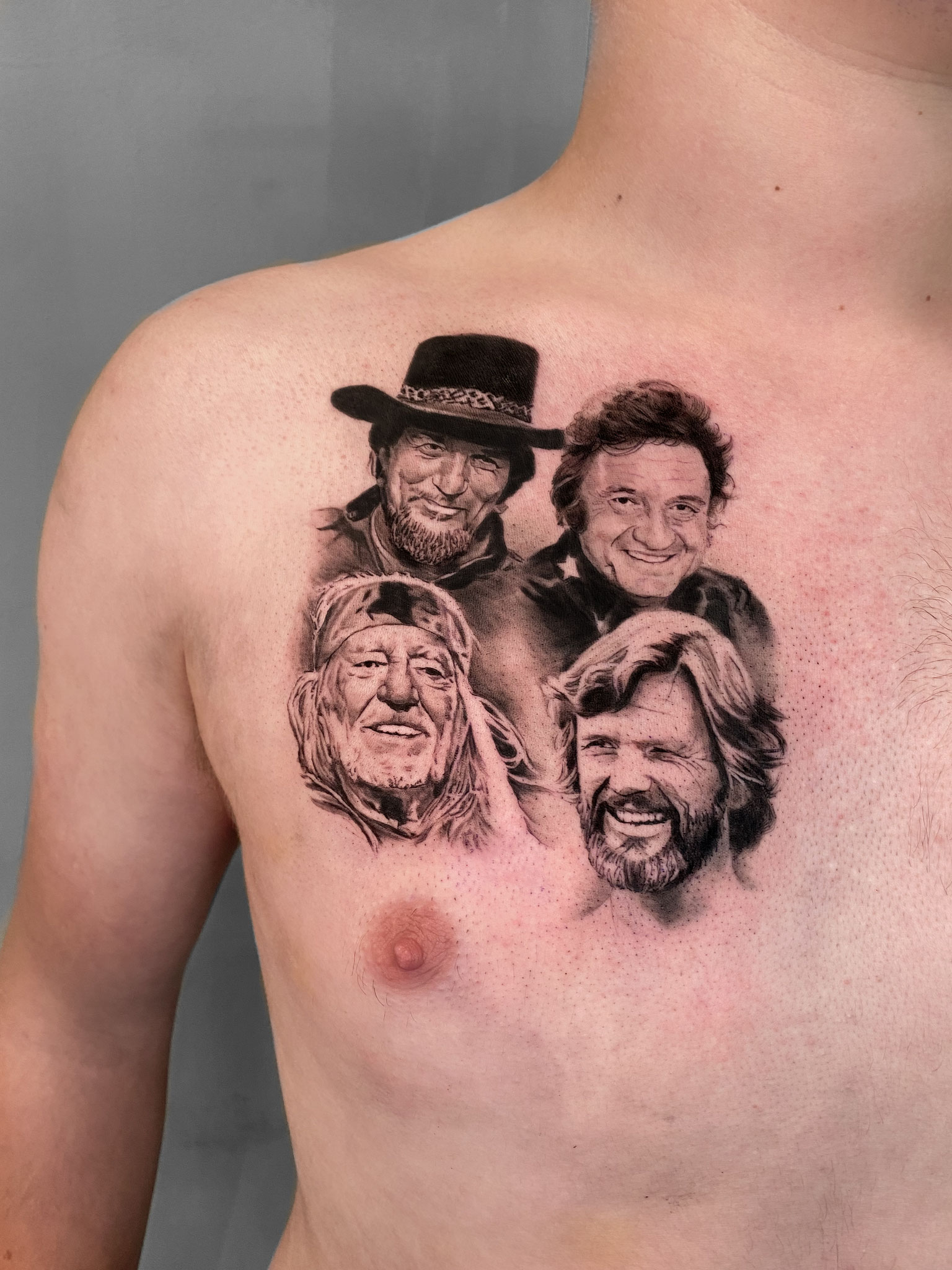
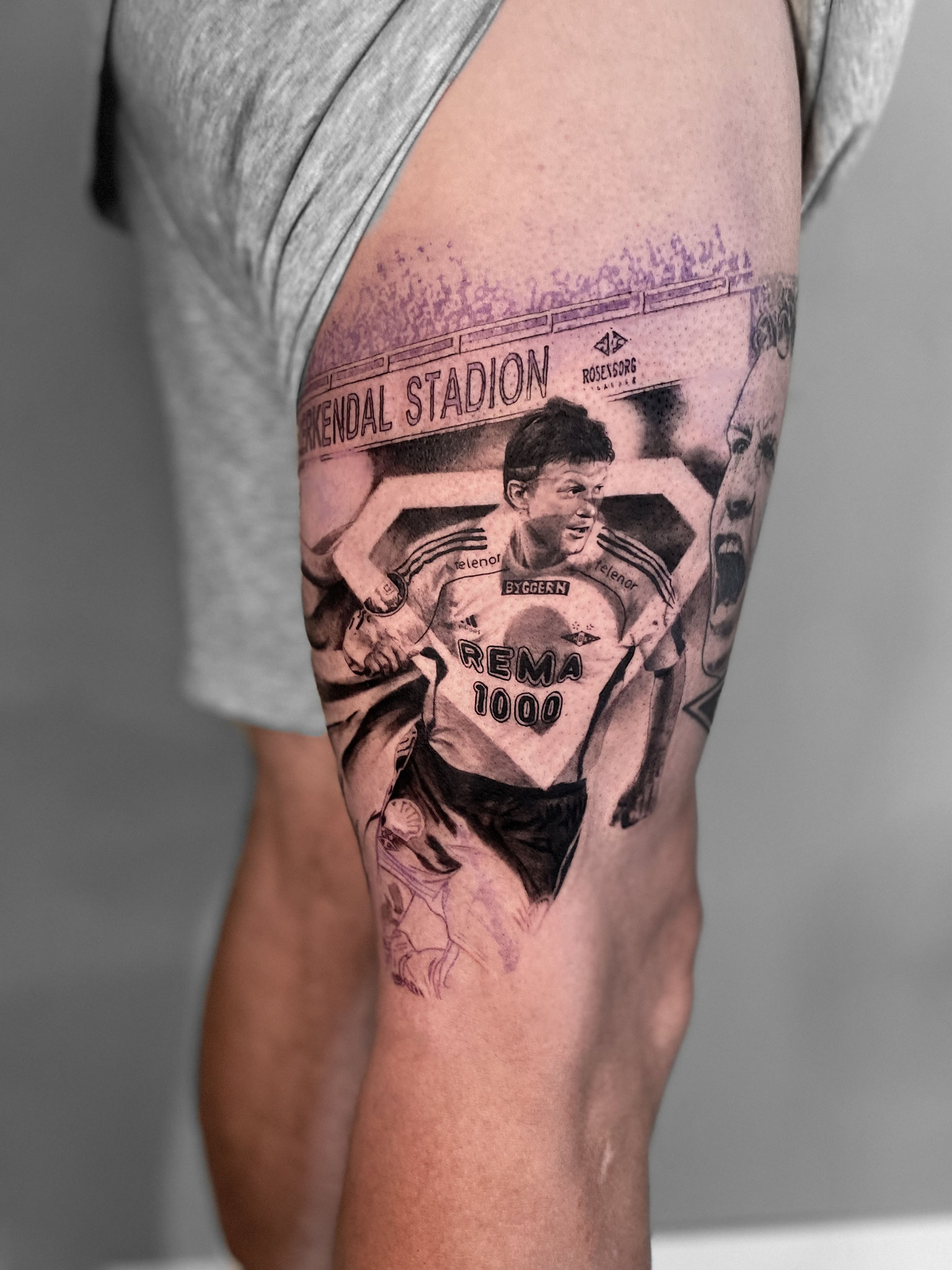
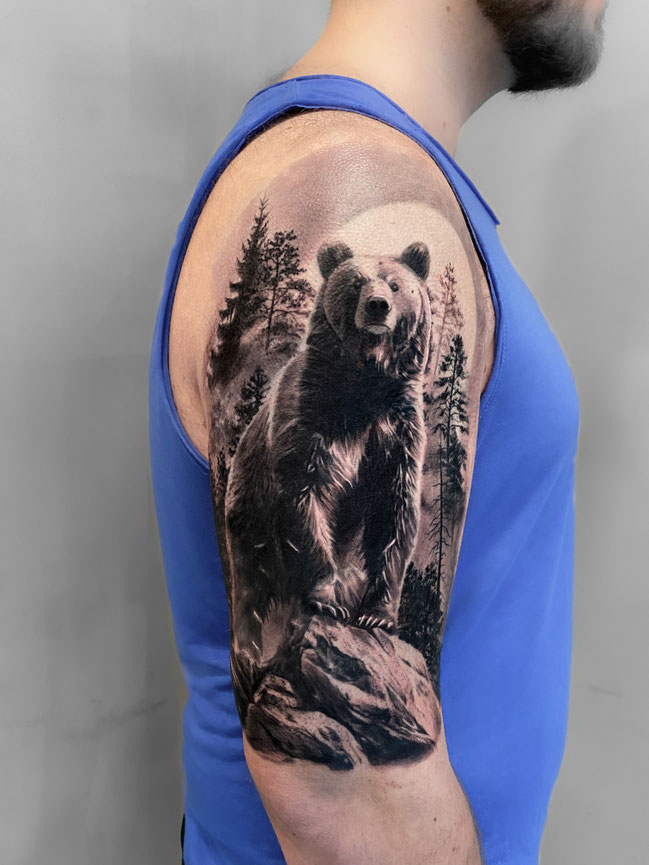
Refined Black & Grey Portrait Realism
Interview
How did you first get into tattooing, and what drew you to black and grey realism as your main style?
I’ve always been interested in tattoos. In my early teens, I told my mother I wanted to become a tattoo artist. Life, however, took a different direction for a while. I struggled with anorexia, depression, and OCD, and that dream faded into the background. Still, creativity never left me. I’ve been drawing since childhood, and despite my health challenges, I was accepted into the Academy of Fine Arts in Trondheim, Norway.
After trying several professions — art teacher, florist, yoga instructor, museum host — nothing truly felt right. Then someone noticed my graphite drawings on Instagram and offered me an apprenticeship. I started tattooing and immediately knew: this is what I was meant to do.
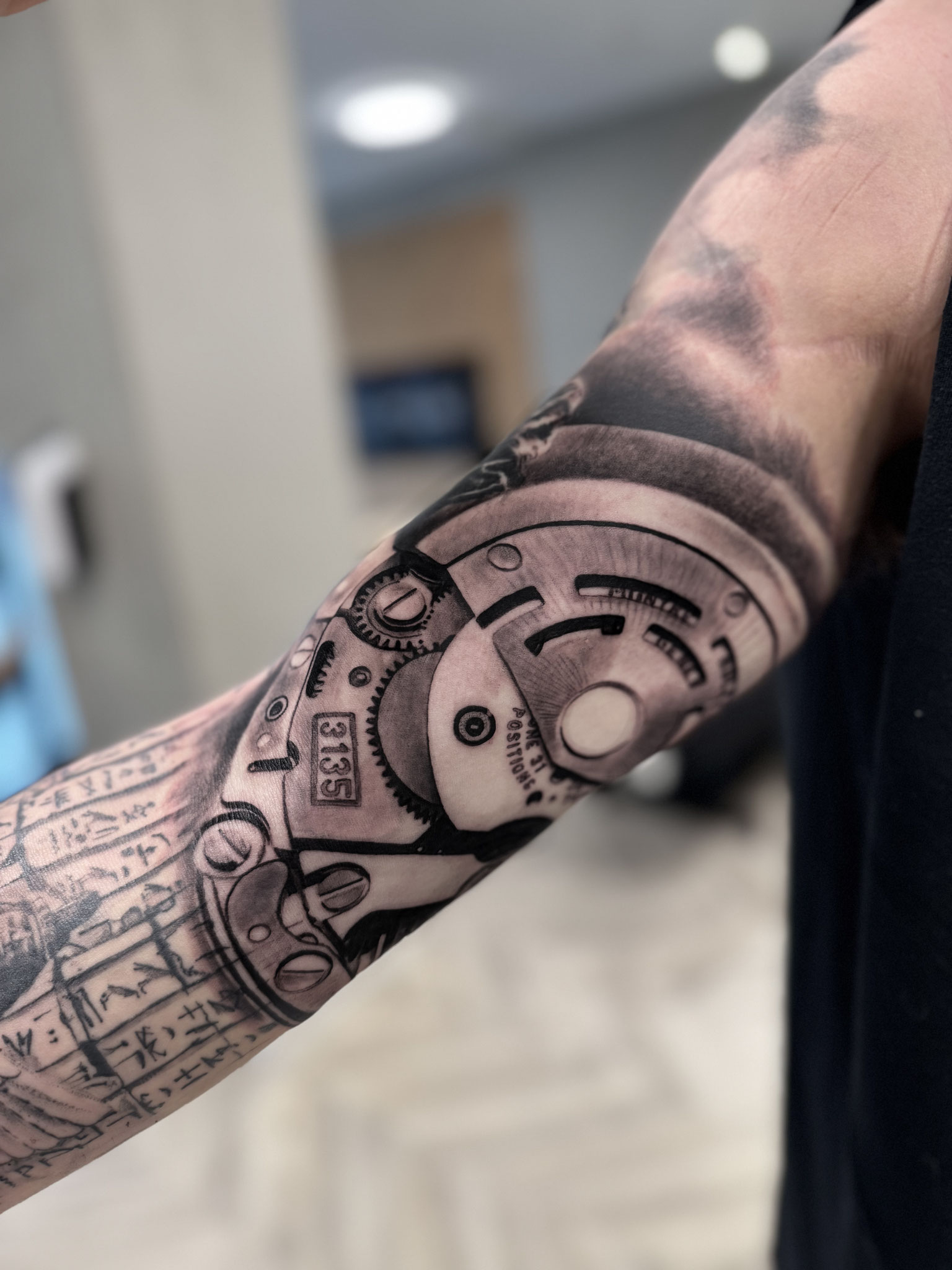
Over time, I realized my background in hyper-realistic graphite drawing needed to merge with tattooing. Black and grey realism became the natural bridge between paper and skin.
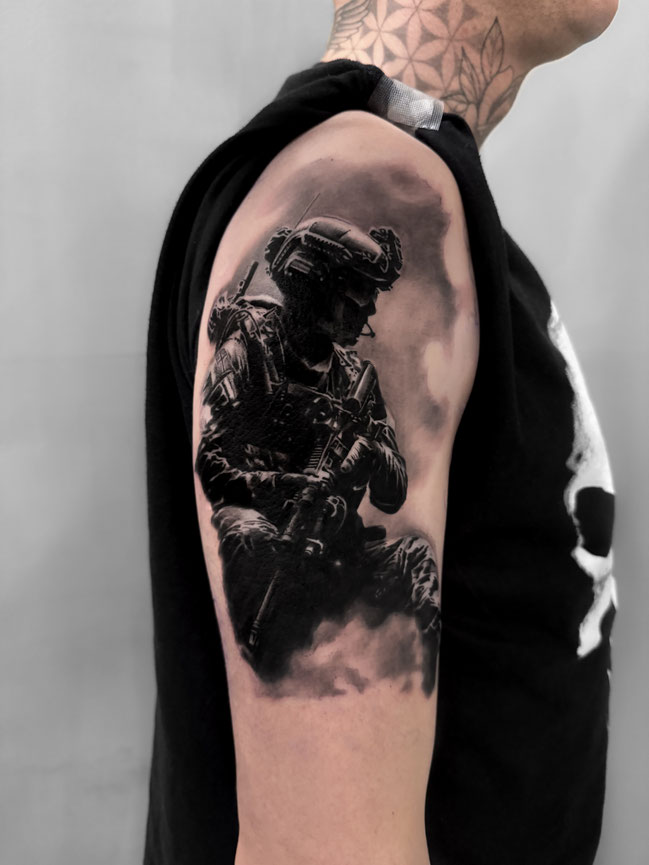
How did your apprenticeship shape your foundations?
My apprenticeship was short — barely eight months — but it allowed me to explore multiple styles. I was encouraged toward illustration, yet I felt compelled to refine realism.
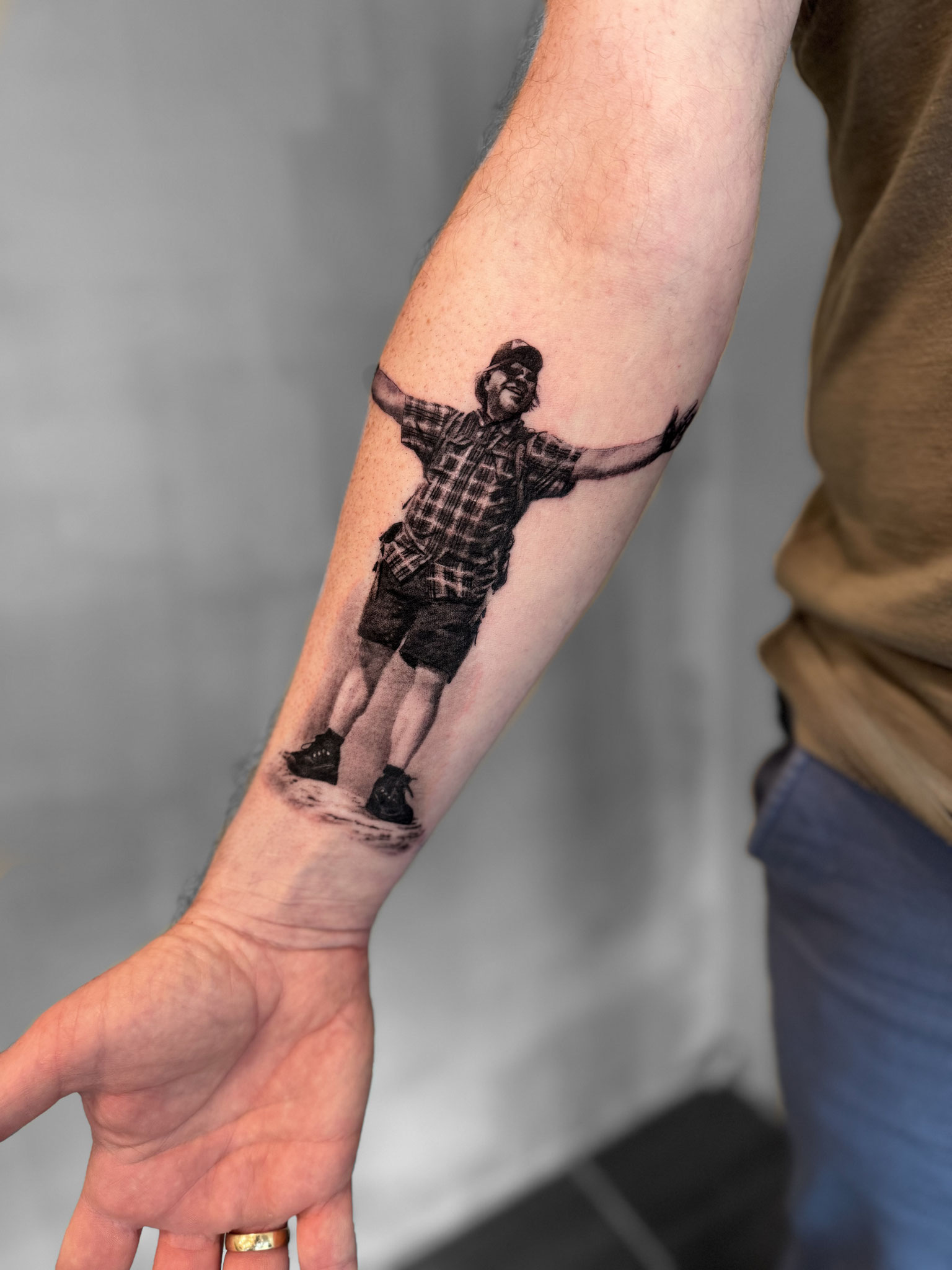
Tattooing portraits felt like coming home. The first portrait I tattooed, Anthony Bourdain, was a turning point. It confirmed that black and grey realism was my language.
Which moments have influenced you most over the years?
The projects that challenged me technically and emotionally shaped me the most. I particularly remember designing a mafia-inspired leg sleeve with multiple portraits and dramatic contrasts — a piece that allowed me to fully explore storytelling and composition.
I’m especially drawn to faces with character — older people with strong expressions and visible life experience.
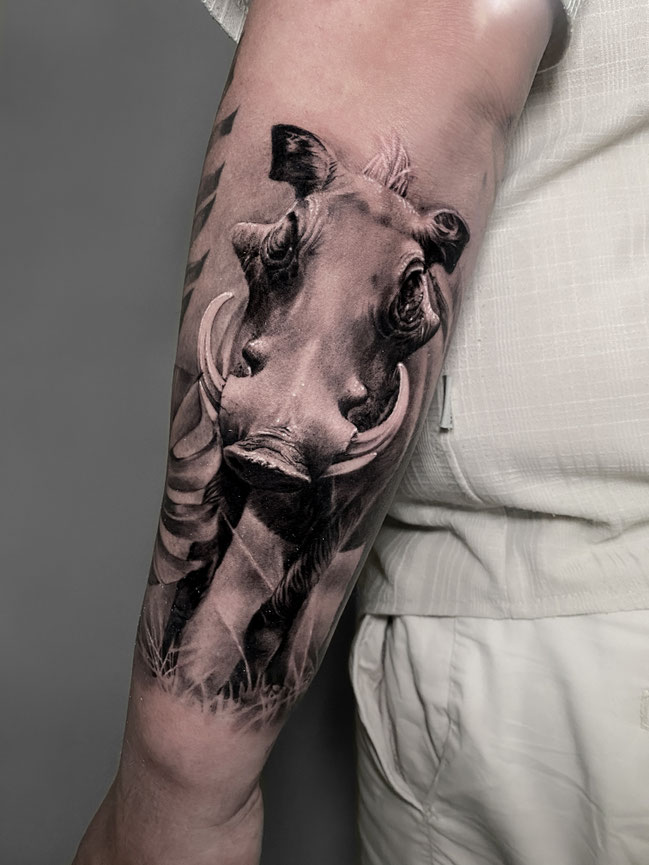
How would you describe your artistic identity today?
I still feel like I’m searching for it. Portraiture remains central, but when given freedom, I enjoy incorporating subtle surrealistic elements — adjusting proportions, blending concepts, and playing with visual tension.
My identity lies somewhere between realism and quiet experimentation.
Can you describe your creative process?
Every project starts with conversation. I encourage clients to share references so I can understand their vision. I’m meticulous in research — whether it’s animals, machinery, vintage cars, or flowers.
My process is reflective and often slow. I run almost every morning, and many creative solutions come during those runs.
My fine arts education taught me light, shadow, proportion, and composition. The difference is that skin is not flat and has no frame.
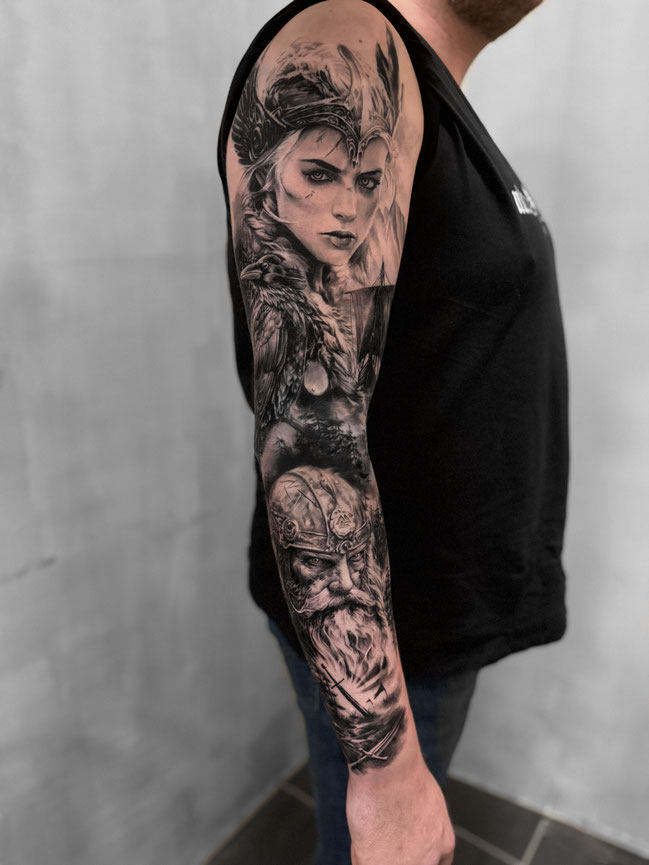
How do you approach contrast, texture, and depth in black and grey realism?
Full value range is essential. Many artists hesitate to use deep blacks, but without strong contrast, tattoos become flat. You need the entire spectrum — from the lightest highlights to the darkest shadows.
Smooth areas are just as important as detailed ones. The tattoo must breathe.
Details must be selective. If they’re too small, they disappear over time. A tattoo should remain readable from a distance. Seeing healed tattoos early in my career taught me how much pieces lighten. That experience changed my technique permanently.
What technical aspects ensure longevity and consistency?
Correct contrast, proper scale, and understanding how skin heals are crucial.
I always offer free touch-ups if necessary. Monitoring healed results is one of the most valuable learning tools in realism.
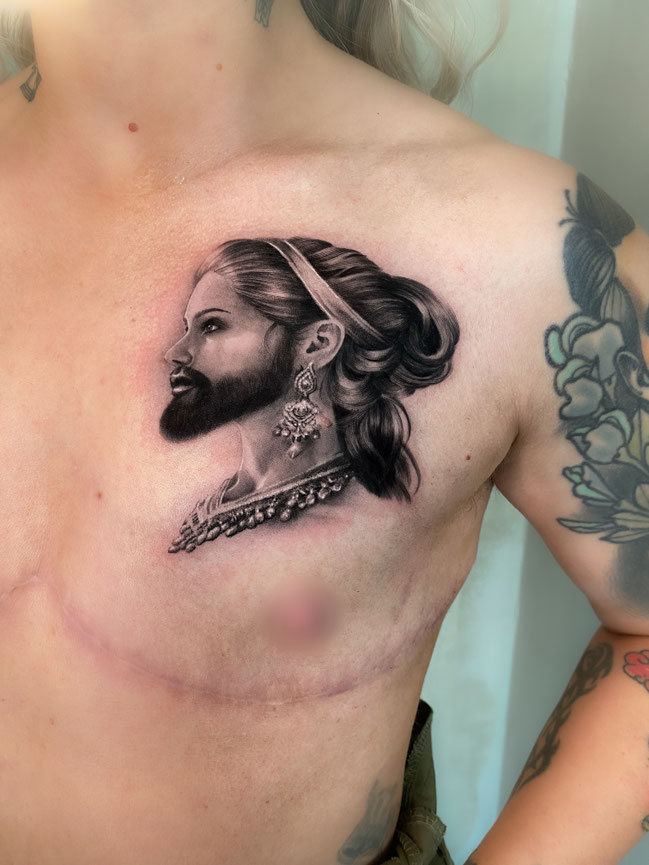
How do you build trust with clients?
I don’t follow a strategy — I simply try to be myself. I’m curious, and I genuinely enjoy listening to people’s stories.
Long realism sessions create space for personal conversations. Clients often share deeply personal experiences. I feel honored when they trust me enough to do so.
How do you see black and grey realism evolving today?
There are incredible realism artists working today, some approaching perfection. AI is becoming part of the design process, and it’s here to stay.
Perhaps in the future, machines will produce technically flawless tattoos. But I hope craftsmanship and personal touch remain valued. Personality and authenticity may become even more important.
What are your goals for the coming years?
My goal is continued technical growth and stylistic refinement. I need to prioritize projects I feel deeply connected to and learn to say no when necessary.
At the beginning of 2026, I opened my own studio and went fully independent — a major milestone.
I’m excited about the future and hope to keep tattooing for many years to come — as long as my back and shoulders allow it.
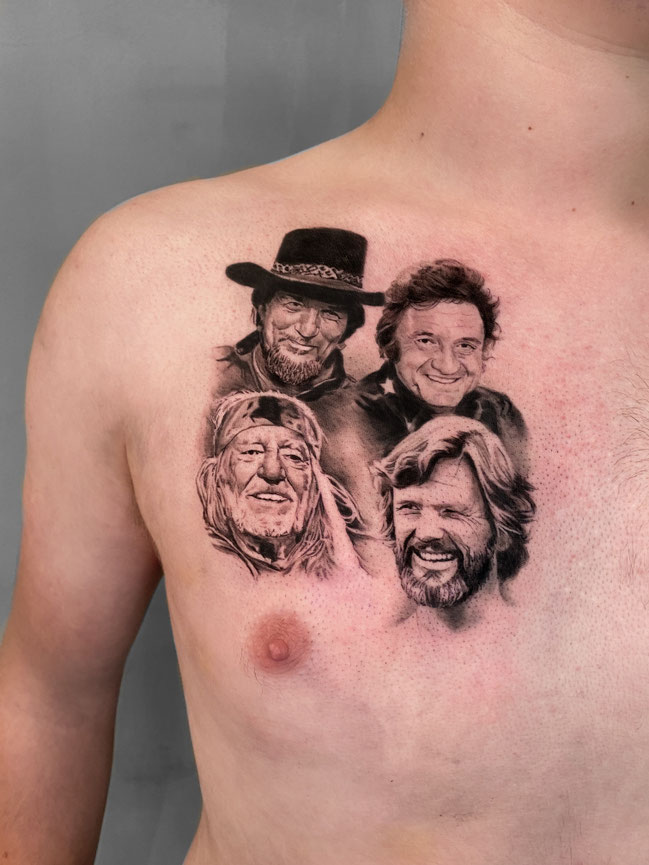
We recommend this artist for her deep understanding of light, shadow, and tonal balance rooted in classical fine arts
training.
Her portraits combine strong contrast, emotional subtlety, and disciplined composition built for longevity.
An evolving realist who values craftsmanship, authenticity, and the human connection behind every piece.
Information
-
Black & Grey Realism
8 years of experience (including apprenticeship)
Trondheim, Norway
Instagram: @marianne.tattoo
Website: www.mariannetattoo.com