Certified Artist 2026
Maxime Leclair
Disciplined Growth and Technical Refinement in Black & Grey
Interview
How did you discover your passion for tattooing, and what inspired you to make it your career?
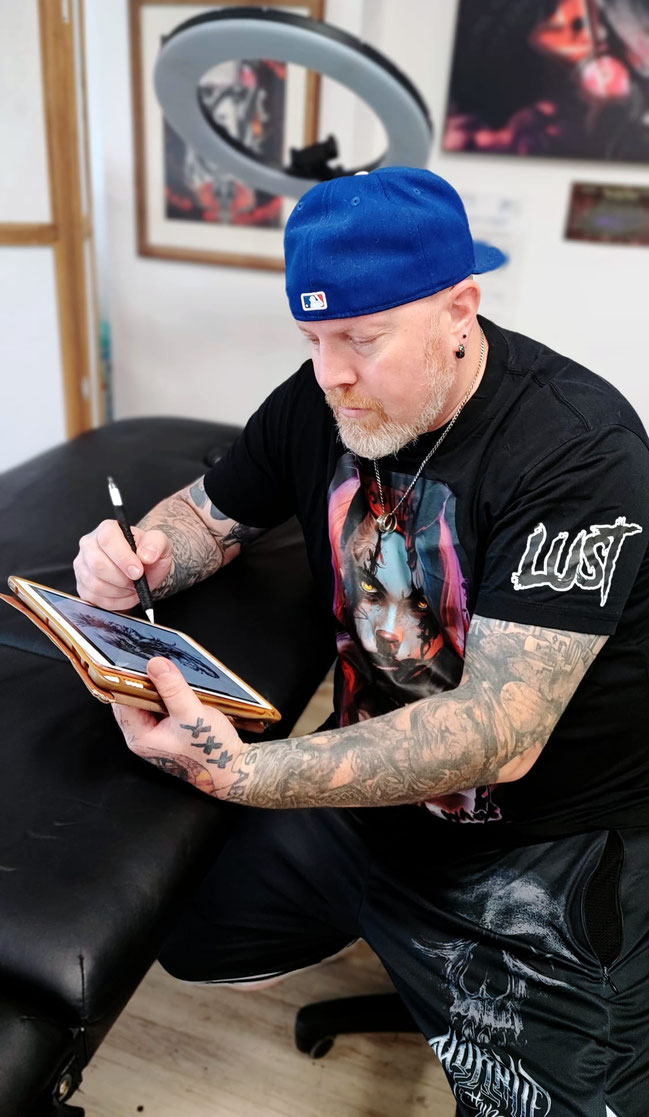
I’ve always been a huge fan of tattoos, but I entered the tattoo industry relatively late — only eight years ago. I had been drawing just for fun since I was a kid, but I never imagined I would pursue the path of becoming a tattoo artist.
Before tattooing, I worked in the retail industry for 20 years. Over time, I realized I didn’t see myself growing old in that field. When the opportunity came to change careers and enter the tattoo industry, I seized it without hesitation — and I’ve never looked back.
How would you define your tattooing style, and what makes it unique?
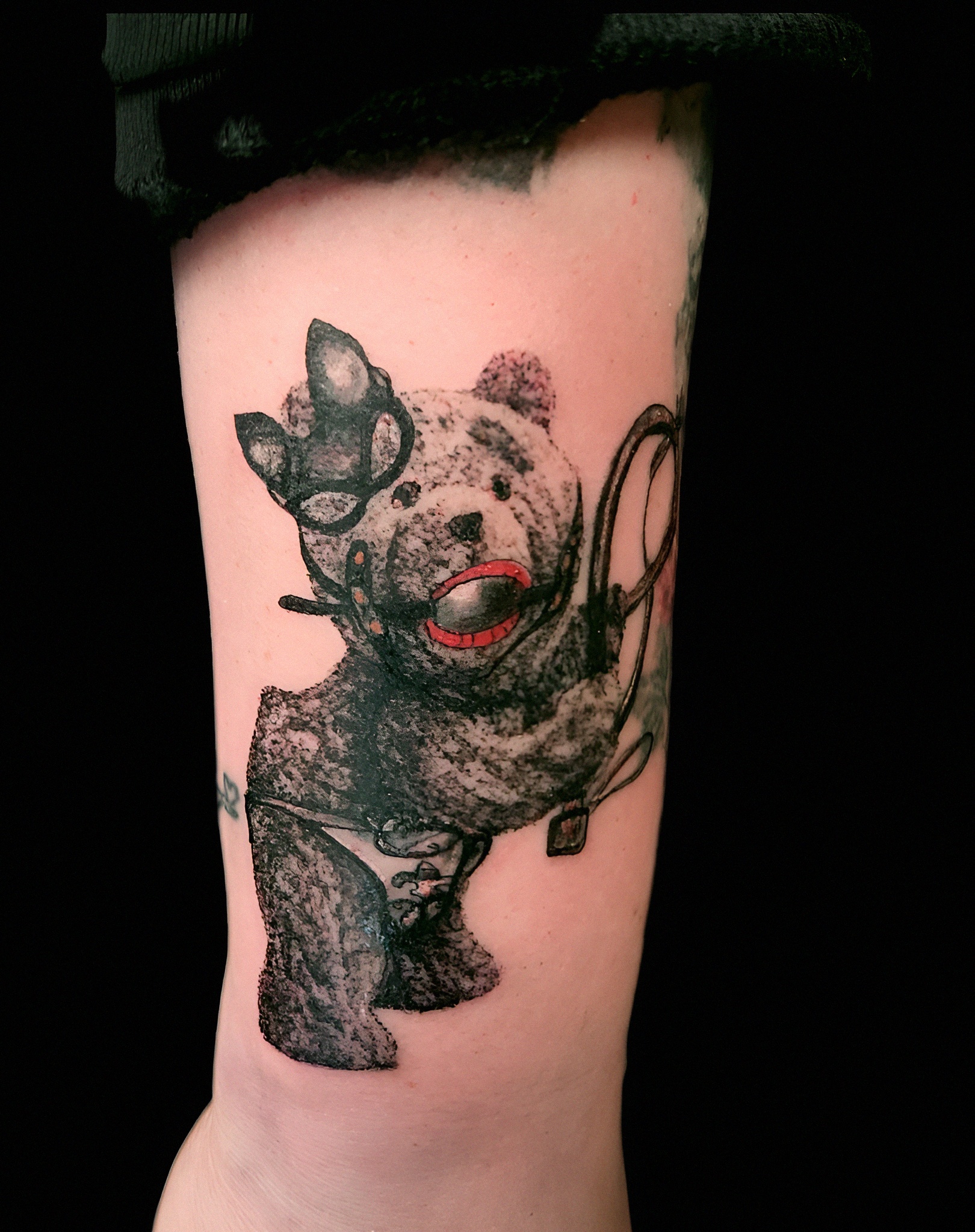
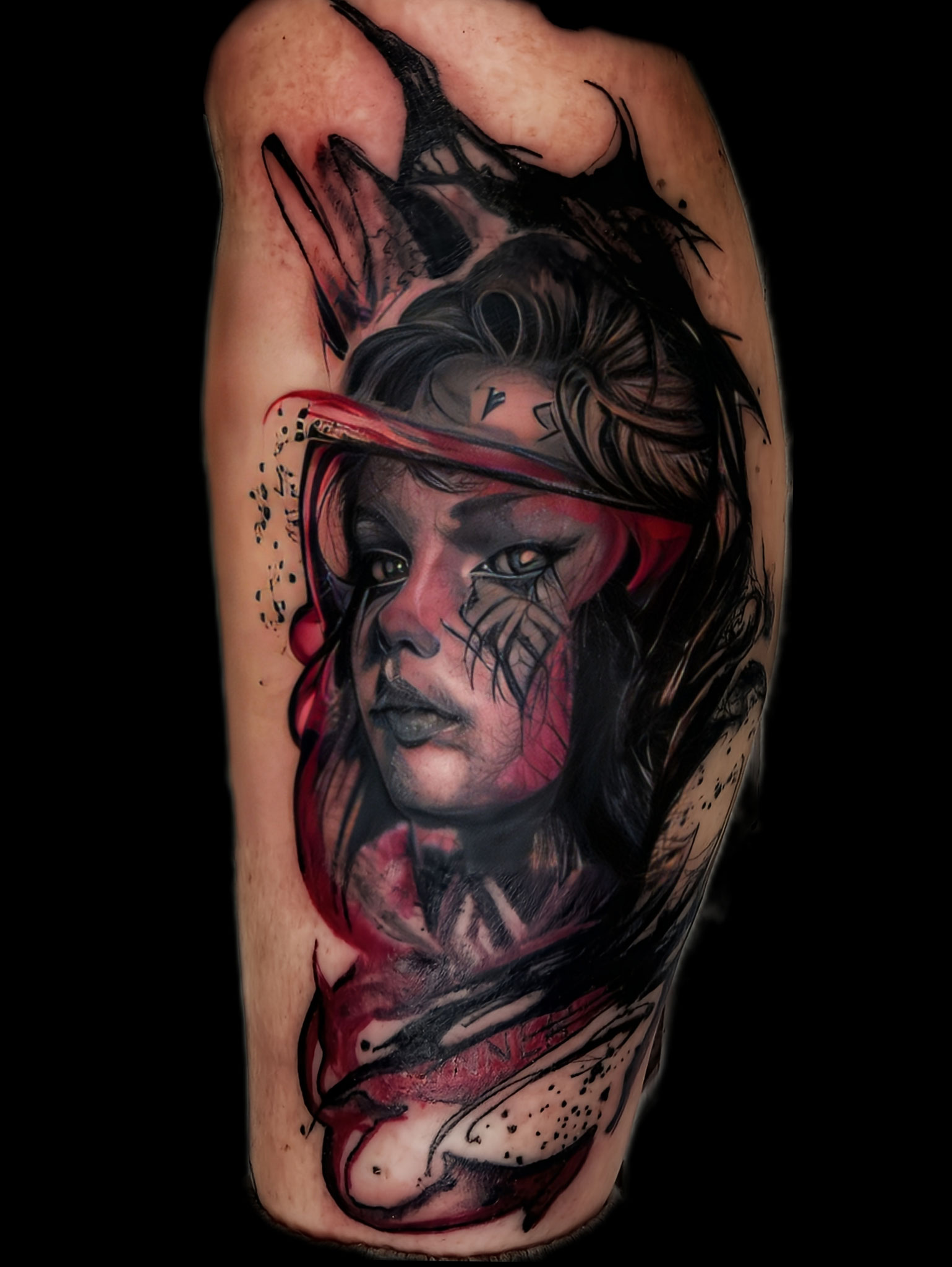
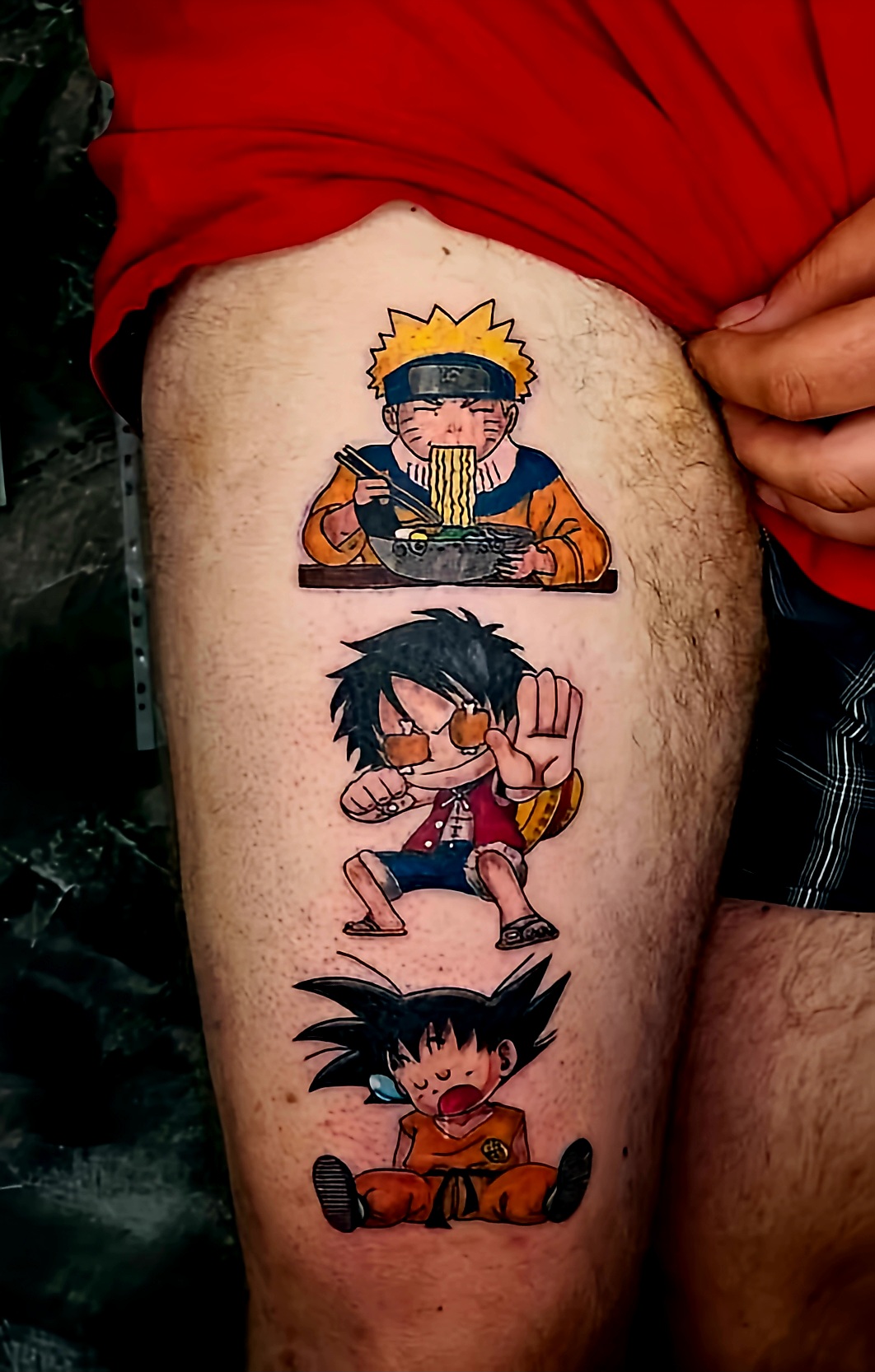
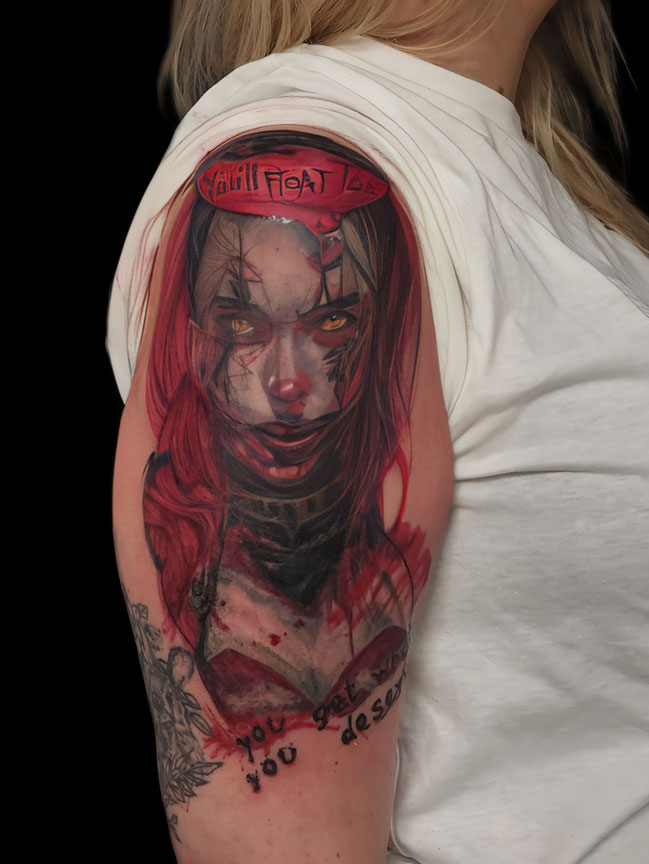
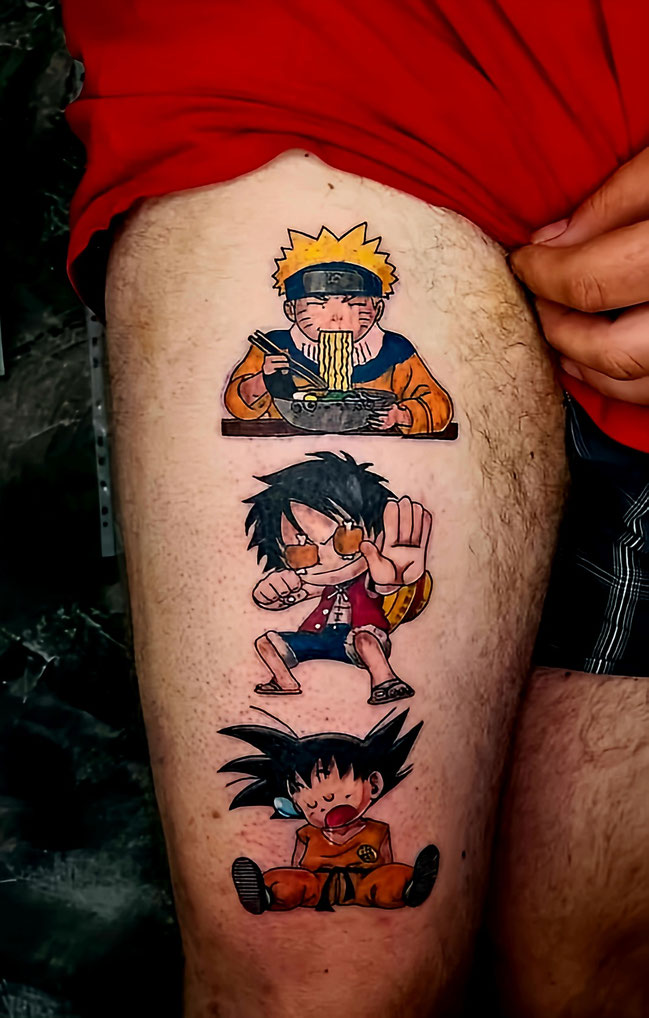
I see myself as an all-around tattoo artist. From the beginning, I wanted to learn different techniques and styles rather than limiting myself to just one.
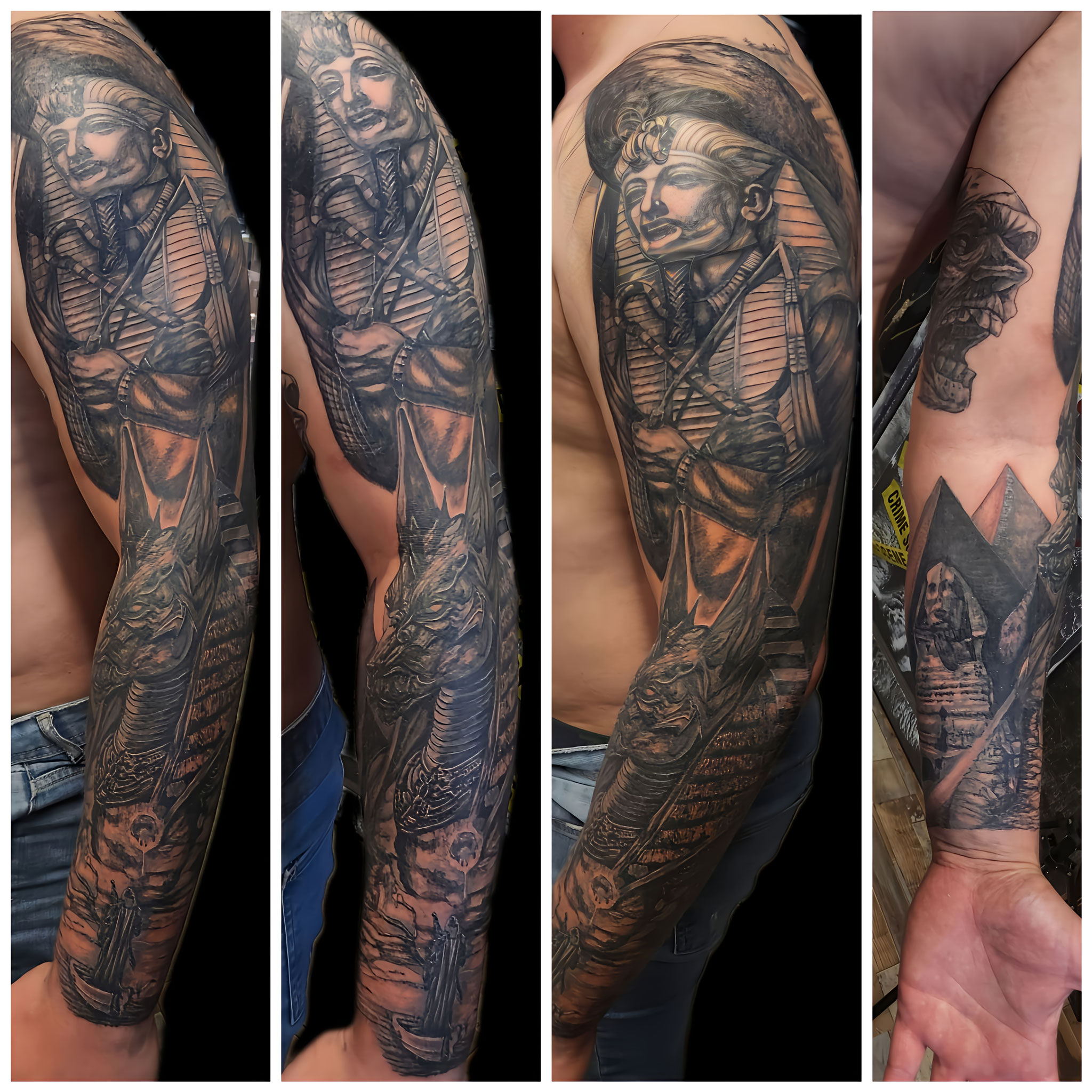
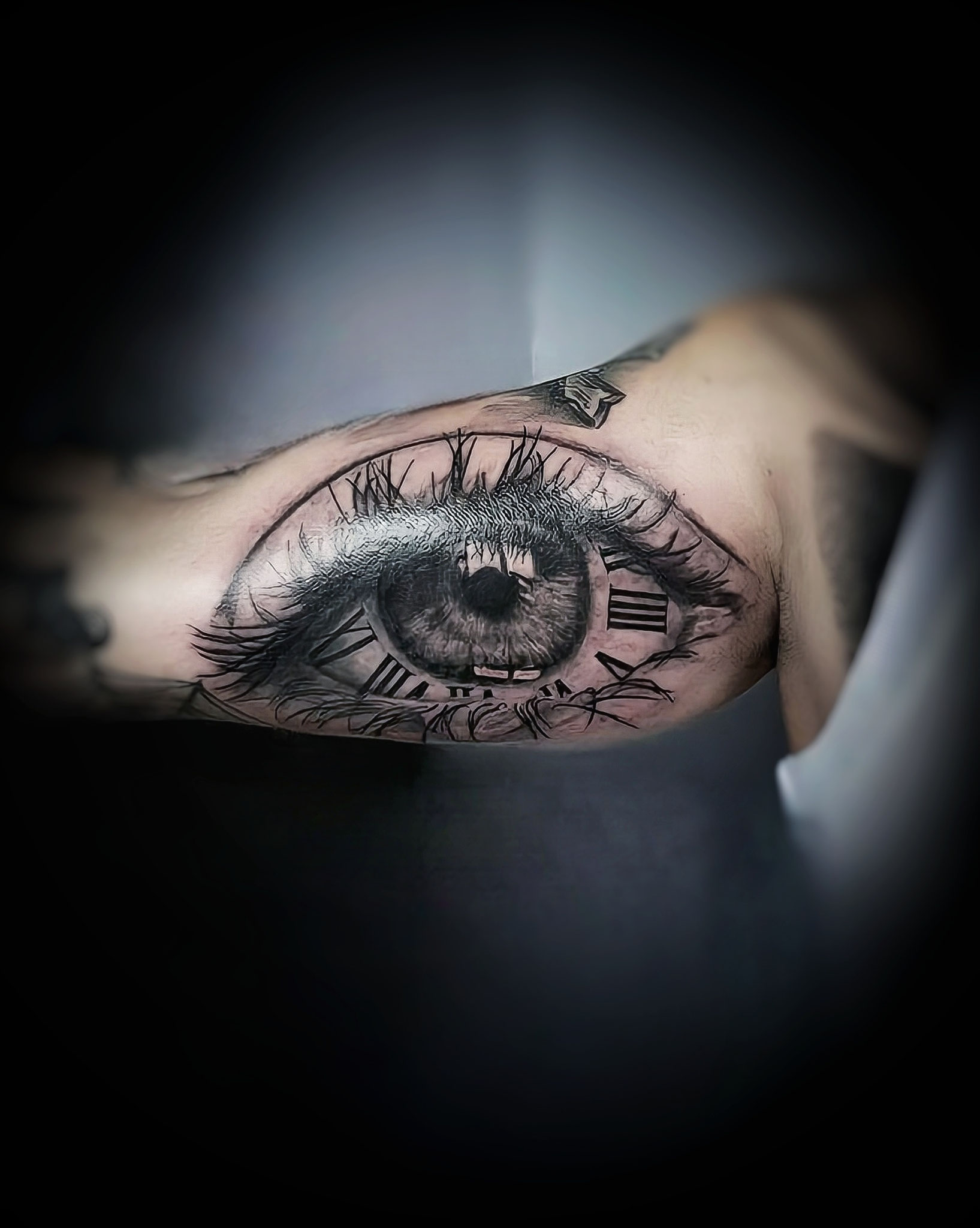
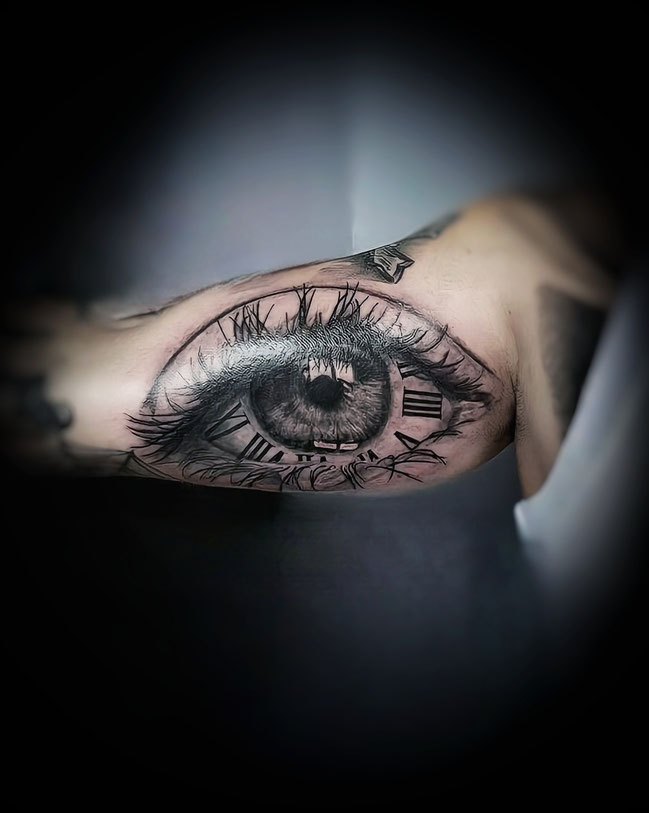
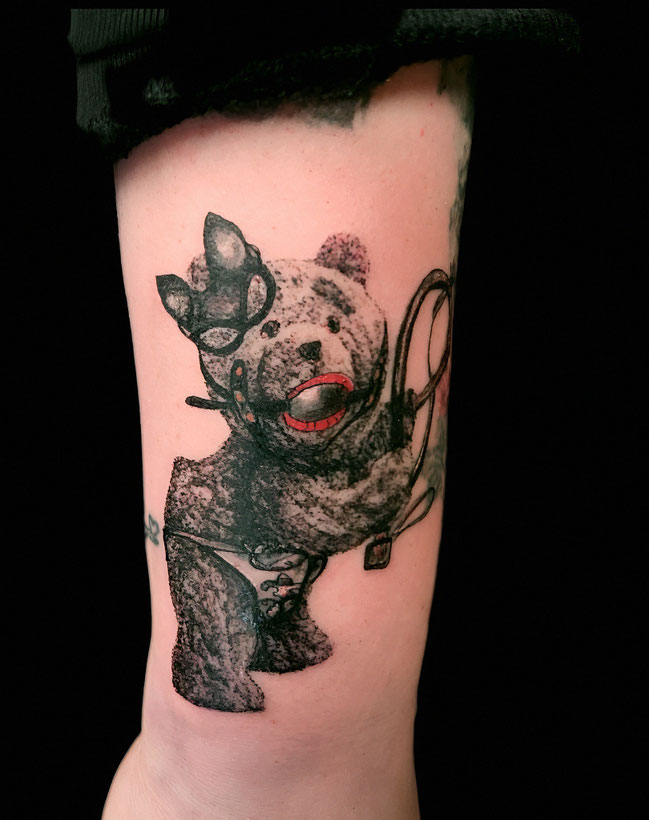
If I had to choose, I especially enjoy working on black and grey projects. However, I always believed it was important to explore and master multiple styles, particularly during my early years, in order to grow technically and work consistently.
Which artists or styles have influenced your work the most?
There are many artists I admire, but I would love one day to come close to the level of Sampaguita Jay and Thomas Carli Jarlier. I know I still have a long way to go, but that’s part of what makes tattooing so exciting — having challenging goals that push you forward.
It takes time, effort, and dedication, but every minute invested in improving is worth it.
What’s the most meaningful or challenging tattoo you’ve ever done, and why?
One of the most challenging tattoos I’ve done so far was my first portrait. It required a completely new approach — working with grey tones rather than traditional grey washes.
As always, before trying a new technique, I studied extensively. I watched live sessions from experienced artists to understand their methods. It was demanding, but it helped me grow significantly.

How do you handle the emotional connection between a client and their tattoo?
The emotional connection always depends on the situation. Every client is different.
Whether it’s a tattoo to honor a loss or to celebrate a joyful milestone, I believe it’s important to take every aspect into consideration. Some clients are very emotional, others less so — and you have to adapt your approach accordingly.
The key is being supportive and respectful while staying true to yourself as an artist.
What is your process for designing a custom tattoo?
It always starts with discussion. I take the time to understand the client’s real intentions and the meaning behind their tattoo.
I gather as much information as possible to create something truly unique. I believe this stage is essential — if you do things right from the beginning and truly listen to your client, in 99% of cases they will love the design immediately and won’t want to change anything.
What’s your take on how tattooing has evolved in recent years?
Even in just eight years, I’ve seen significant evolution in tattooing. There have been many positive developments — new techniques, improved inks, better machines, and incredibly talented young artists shaping the future.
However, there’s also a downside. Too many people enter the industry thinking it’s easy just because they can draw. Today, it’s too simple to buy machines and inks online without proper licensing or professional training.
Tattooing is permanent. People who are not willing to respect hygiene standards and professional ethics should not have access to tattoo supplies or work on someone’s skin.
What advice would you give to someone considering their first tattoo?
Think carefully — it’s for life.
Find the right artist for your project — someone whose work aligns with your idea and with whom you feel comfortable. Don’t rely solely on social media. Visit studios in person, meet the artist, and trust your instinct.
In my opinion, even if someone is considered the best in the world, if I don’t feel comfortable with them, they will never tattoo me.
What tools or techniques do you prefer, and how have they evolved?
I now work exclusively with wireless rotary pen machines. Since I often do long sessions, they are easier on my wrist and allow me to work more comfortably.
For shading, I mostly use soft greys and work much slower than I used to. I focus on slow, controlled movements to avoid overworking the skin and to achieve smooth, consistent shading.
What are your goals for the future?
I want to continue developing my personal approach to tattooing and keep learning from different artists.
In my view, you never stop learning. To evolve, you have to step outside your comfort zone and keep pushing yourself.

Why We Recommend:
We recommend this artist for his disciplined work ethic, technical progression, and commitment to mastering multiple styles with
humility.
His controlled shading, smooth tonal transitions, and respect for skin integrity reflect a long-term approach to quality.
A dedicated professional who values growth, responsibility, and craftsmanship over shortcuts.
Information
black and grey, realism, graphic
8 years of tattooing,
- instagram : @dax_tattoo
- facebook: Dax-tattoo
- website : www.bakanixkashami.com
- Dax Tattoo. 81 avenue saint vincent de paul. 40100 Dax FRANCE