Certified Artist 2026
Mr Baptiste
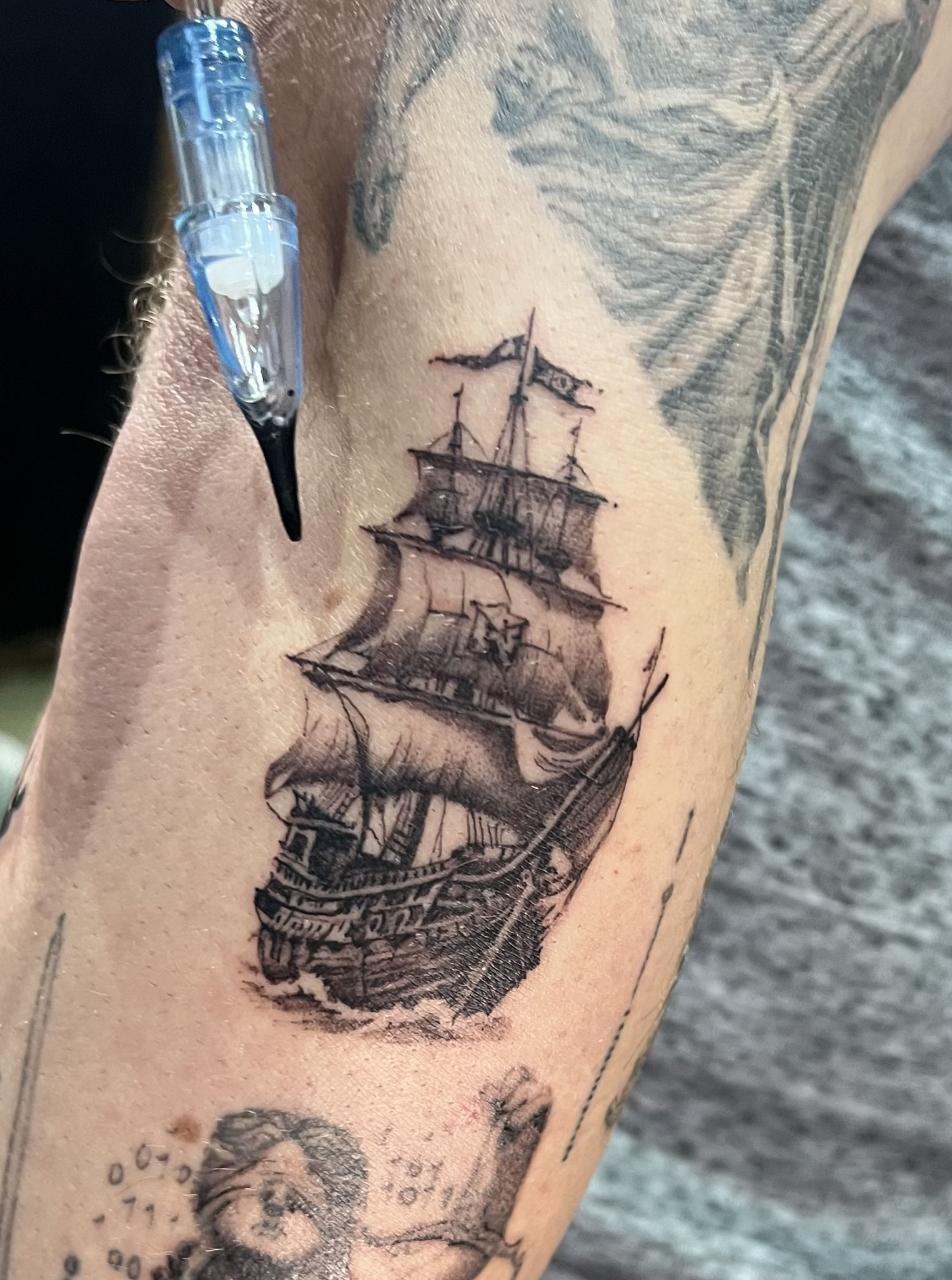
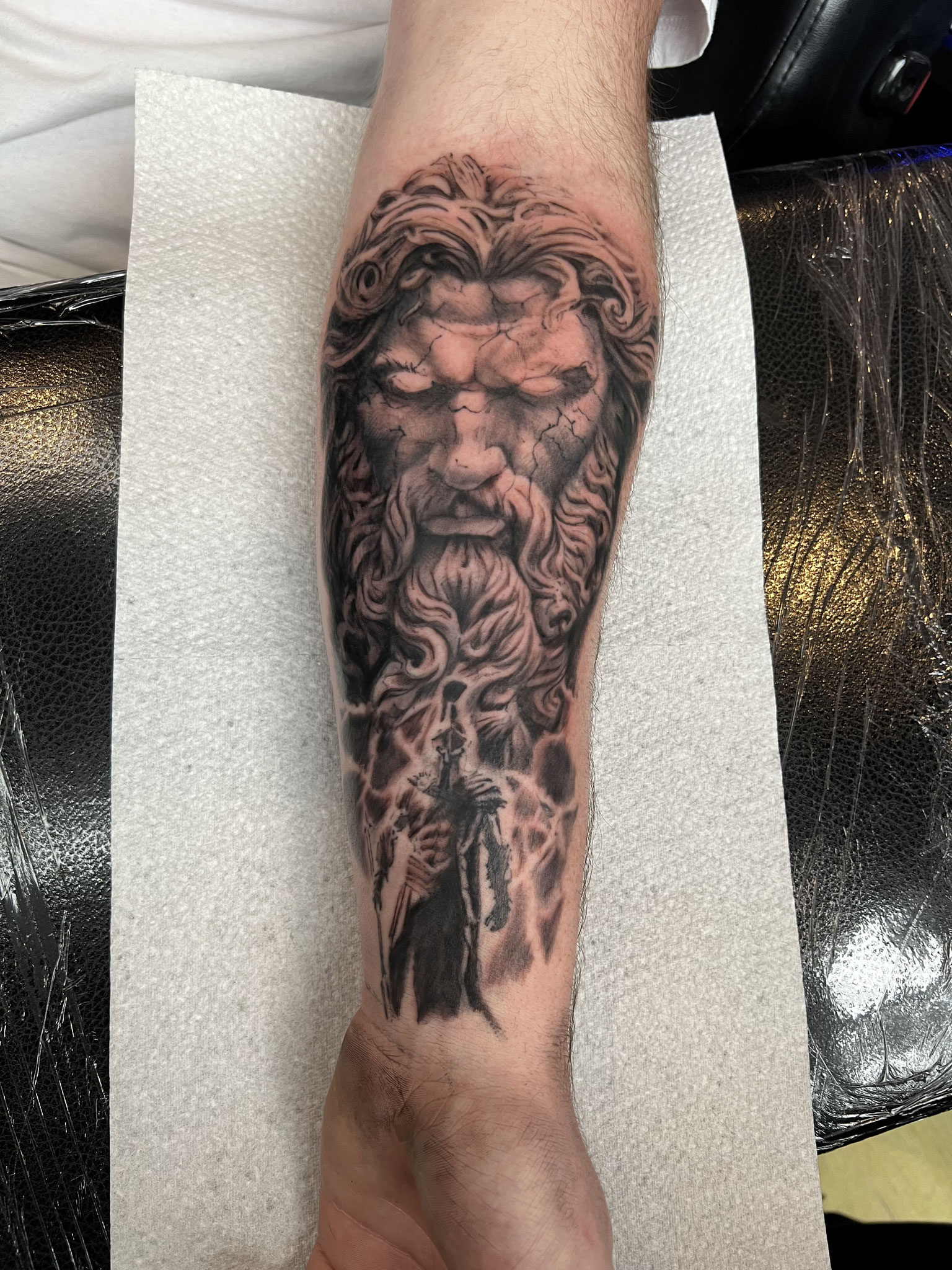
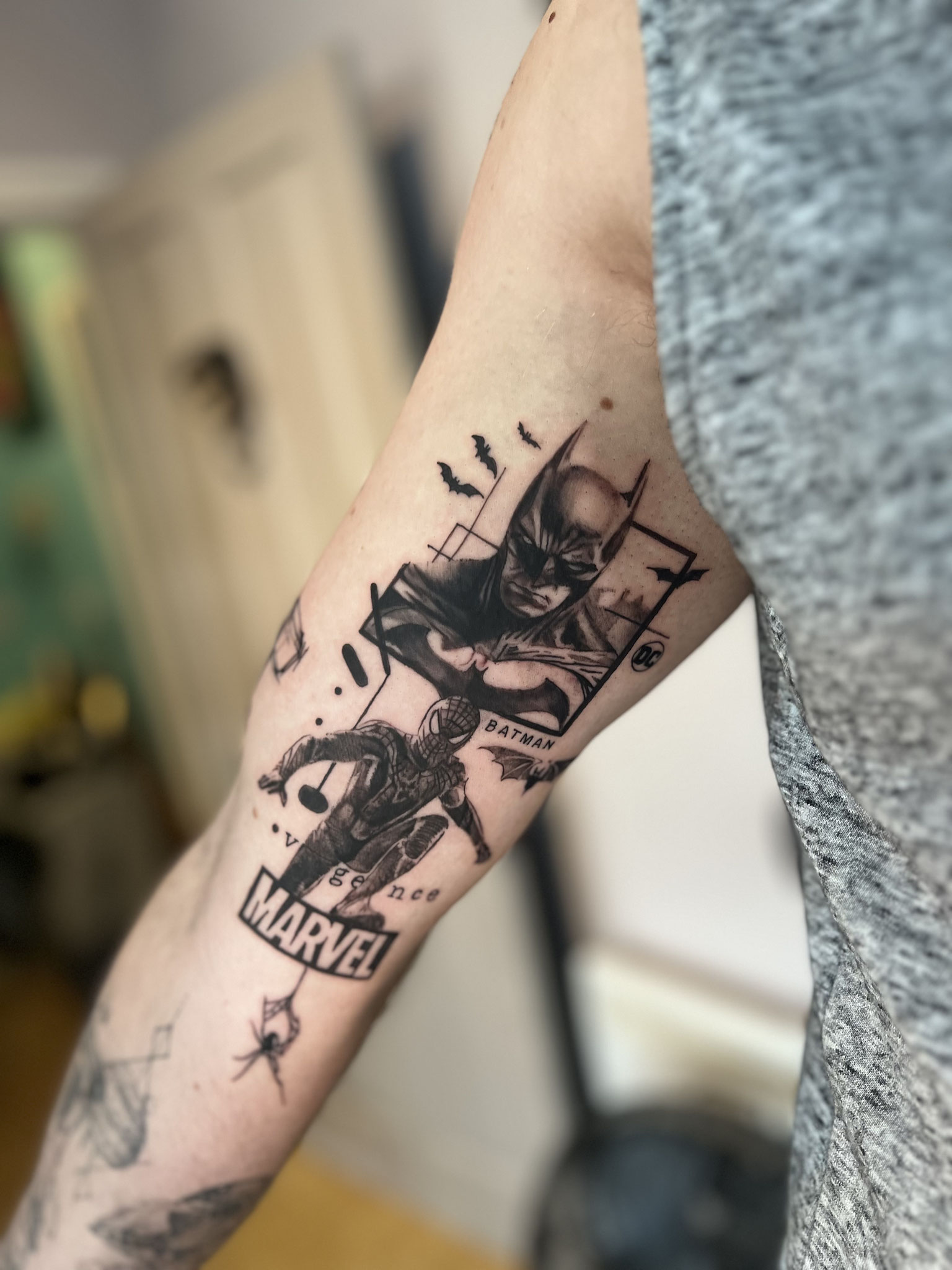
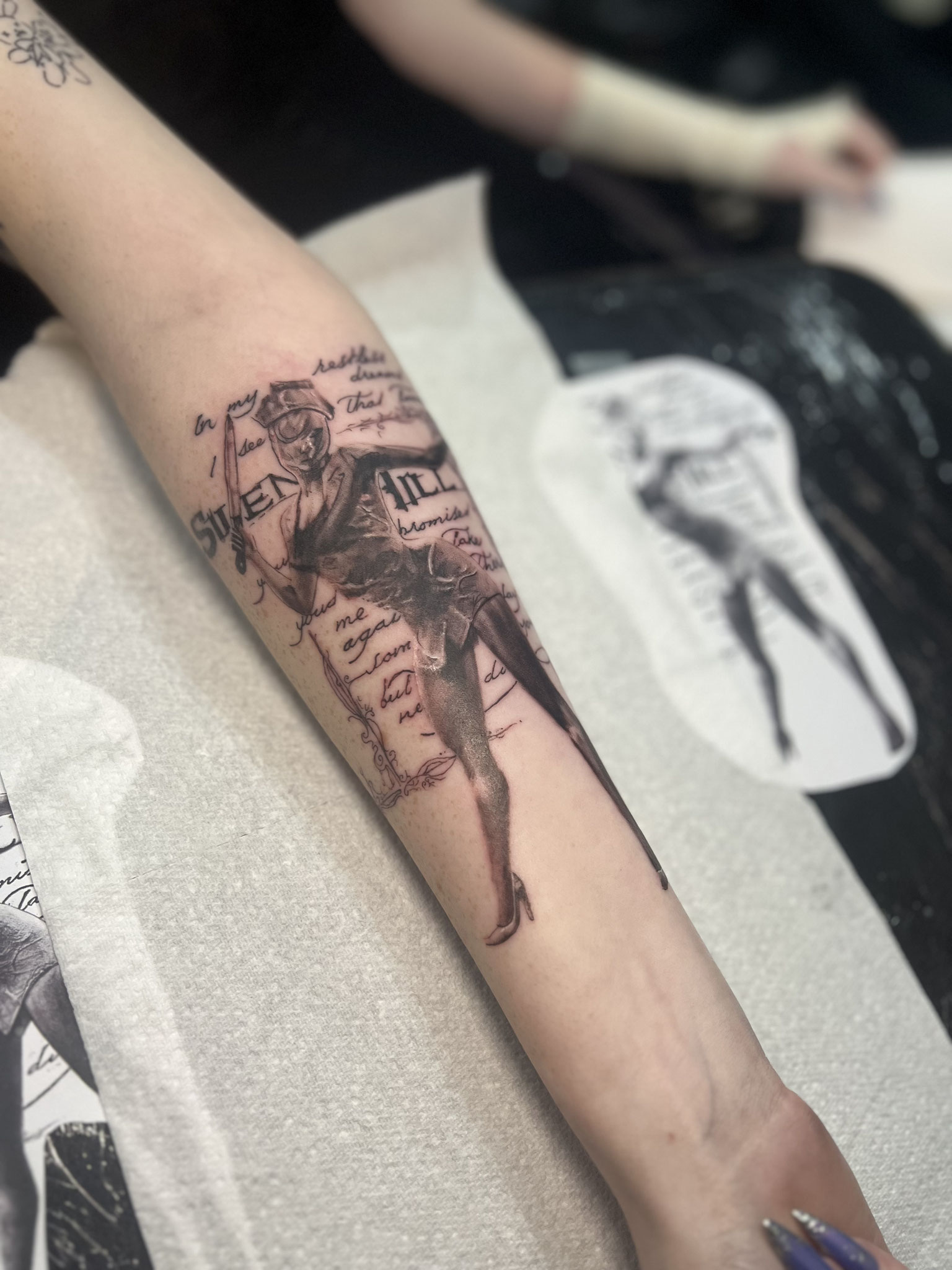
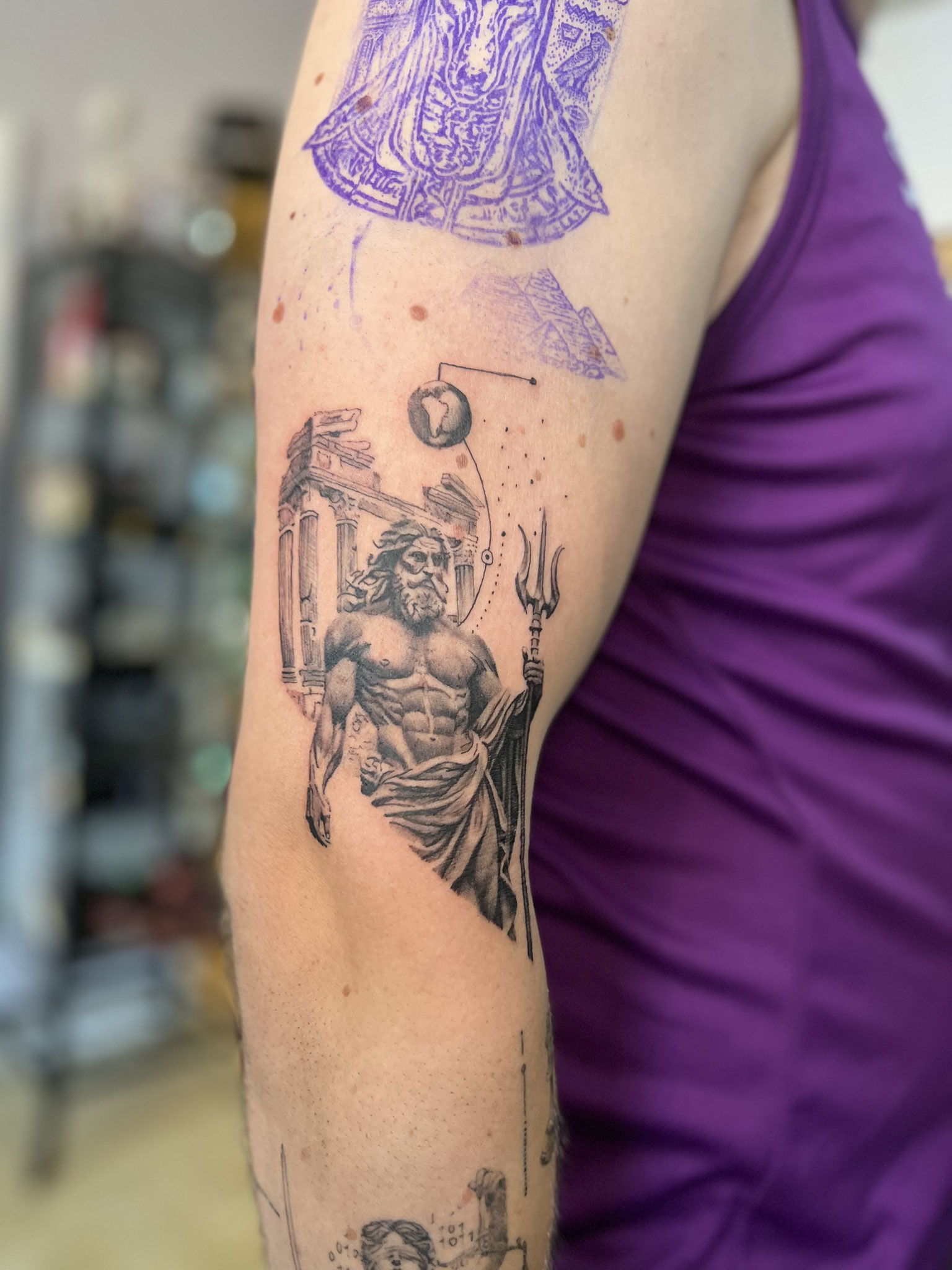
Miniature Realism Defined by Discipline, Contrast, and Structural Precision

Interview
How would you describe your artistic identity today, especially working at such a detailed and precise scale?
I don’t view myself from a perspective where I loudly declare that I am an “artist.” I will always say that I am a tattoo artist. However, when I look at artists such as Alex Sorsa, Ralf Nonnweiler, Posco Losco, Dinotomic, Van Gogh, and many others, I aspire to reach a level where my work carries its own unmistakable signature — where it can be recognized not only within tattooing, but within the art world itself.
That mindset drives me forward. I want my work to speak before my name does.
What attracts you to miniature realism, and what challenges does this style present compared to larger-scale work?
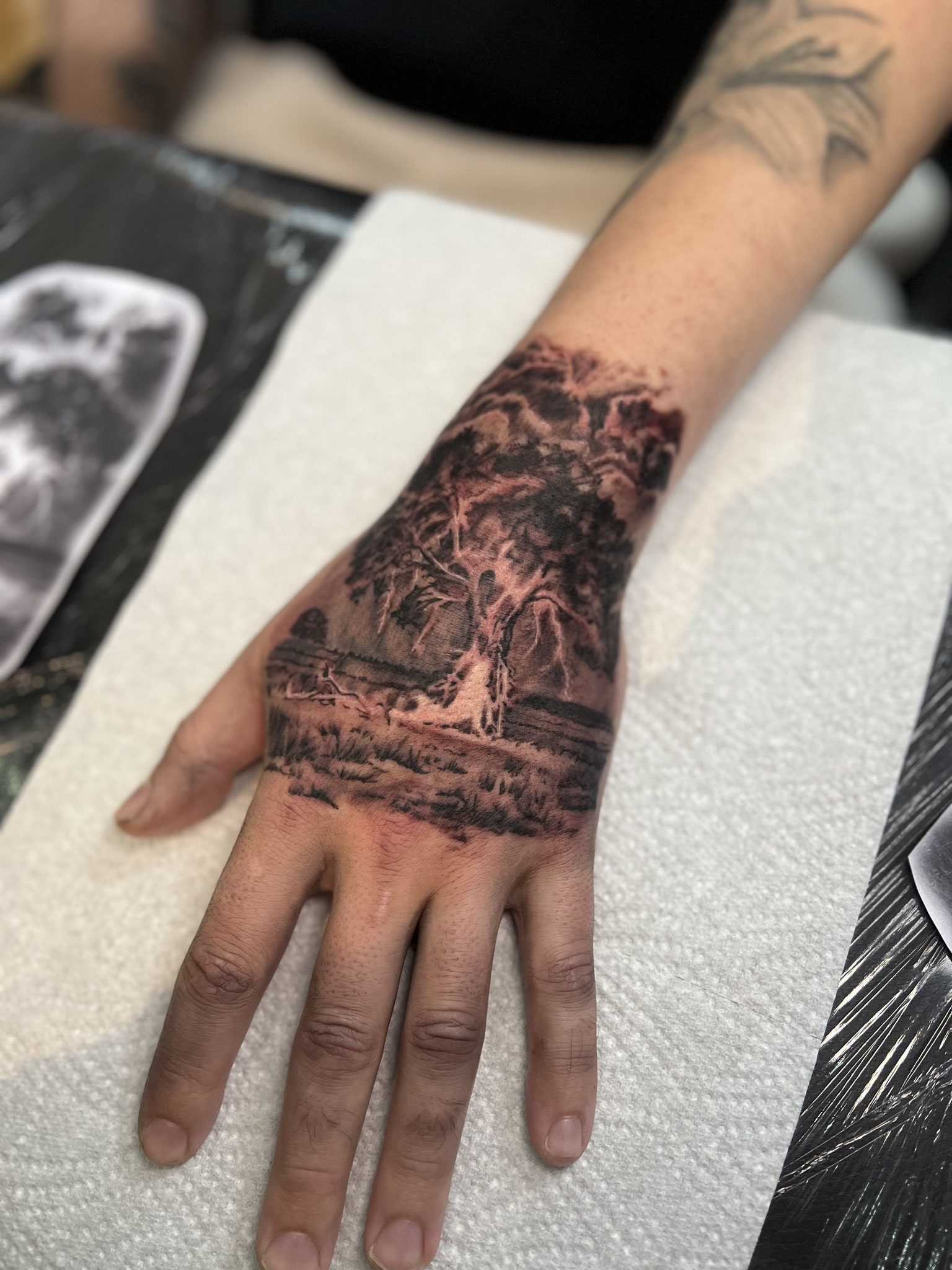
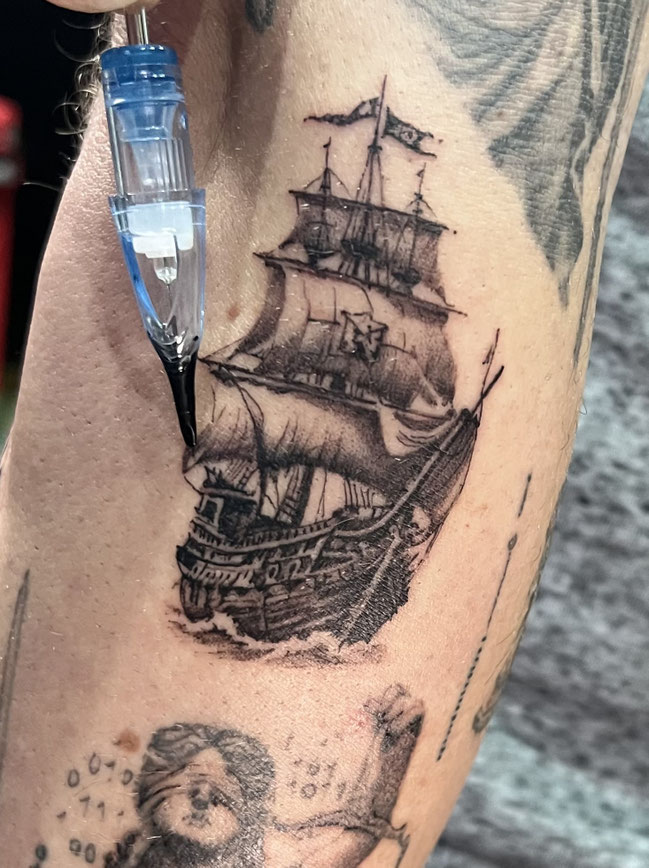
Miniature realism carries its difficulty in its name — scale amplifies everything. The smaller the tattoo, the more precise the execution must be. Needlework, design decisions, and even aftercare become critically important.
With miniatures, you may only see a client once in their lifetime. That means the piece must be as close to perfect as possible. My intention with every tattoo is to create an art piece, not just a small image.
No one can confidently say how a tattoo will look in more than 20 years — machines, needles, inks, and technology have changed dramatically over time. However, based on my experience in this style, I can proudly say that if properly cared for, miniature realism can age just as well as any other tattoo. Aftercare is lifelong — not just for the healing phase.
Can you describe your creative process when designing a realistic portrait?
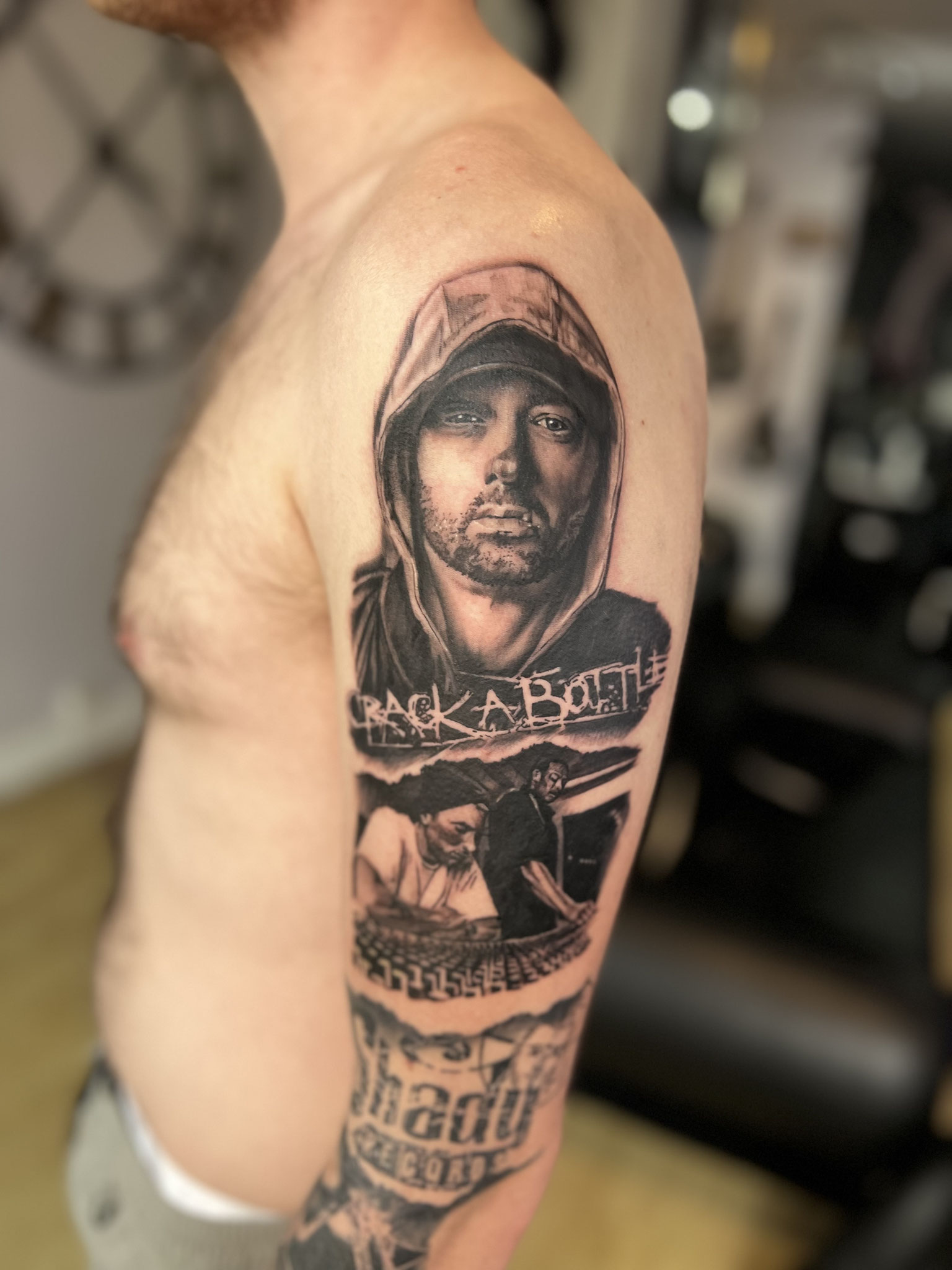
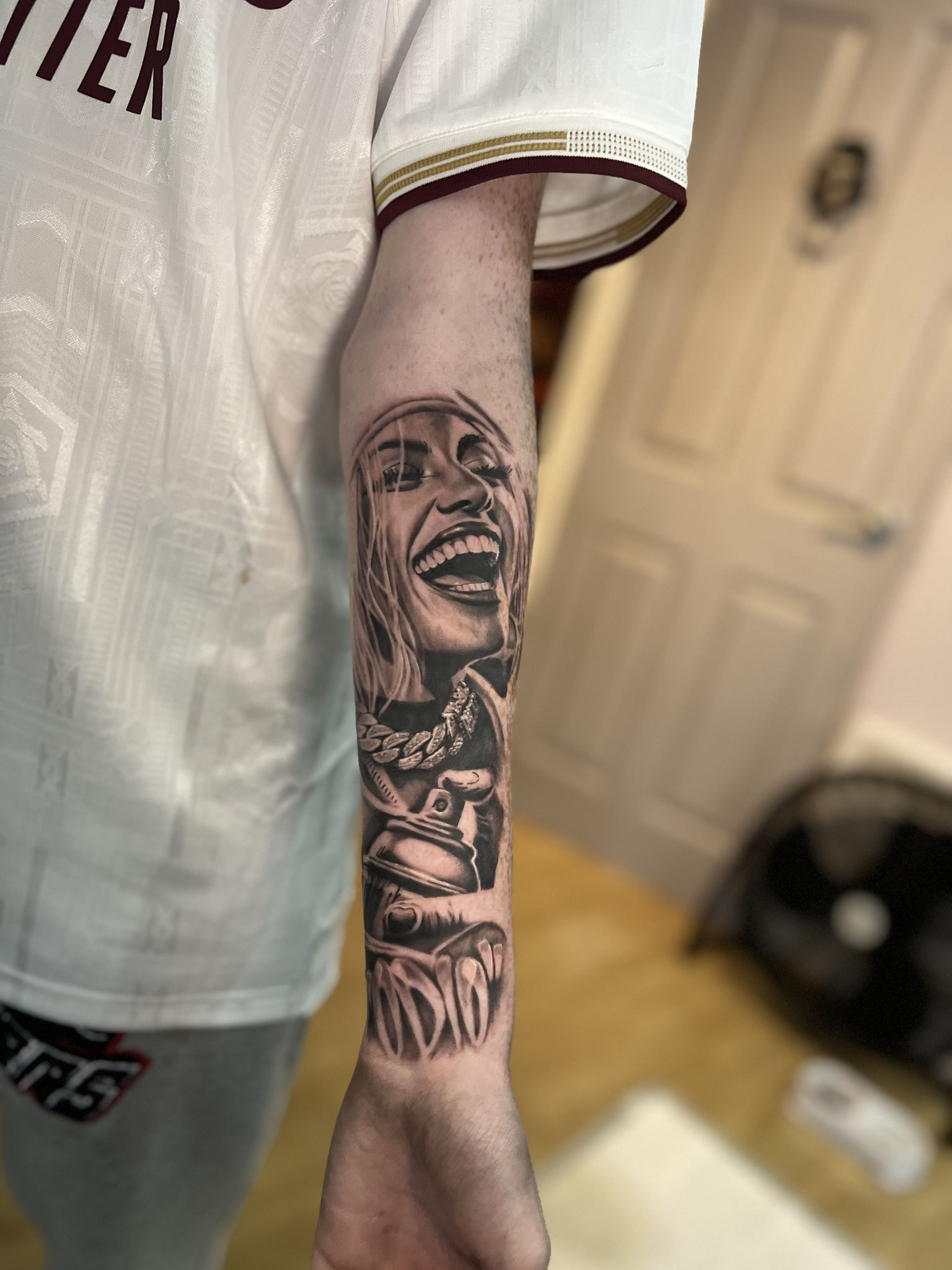
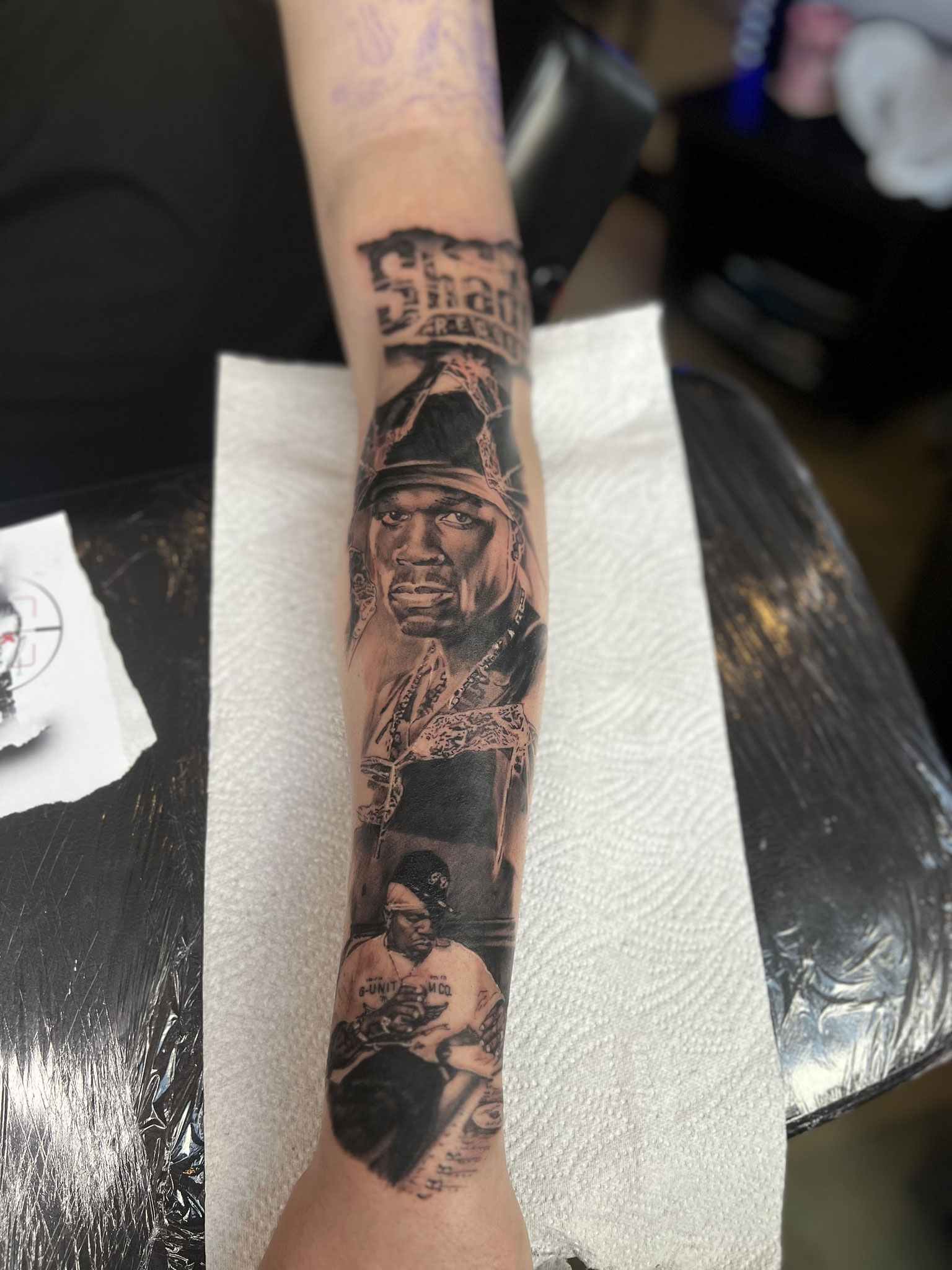
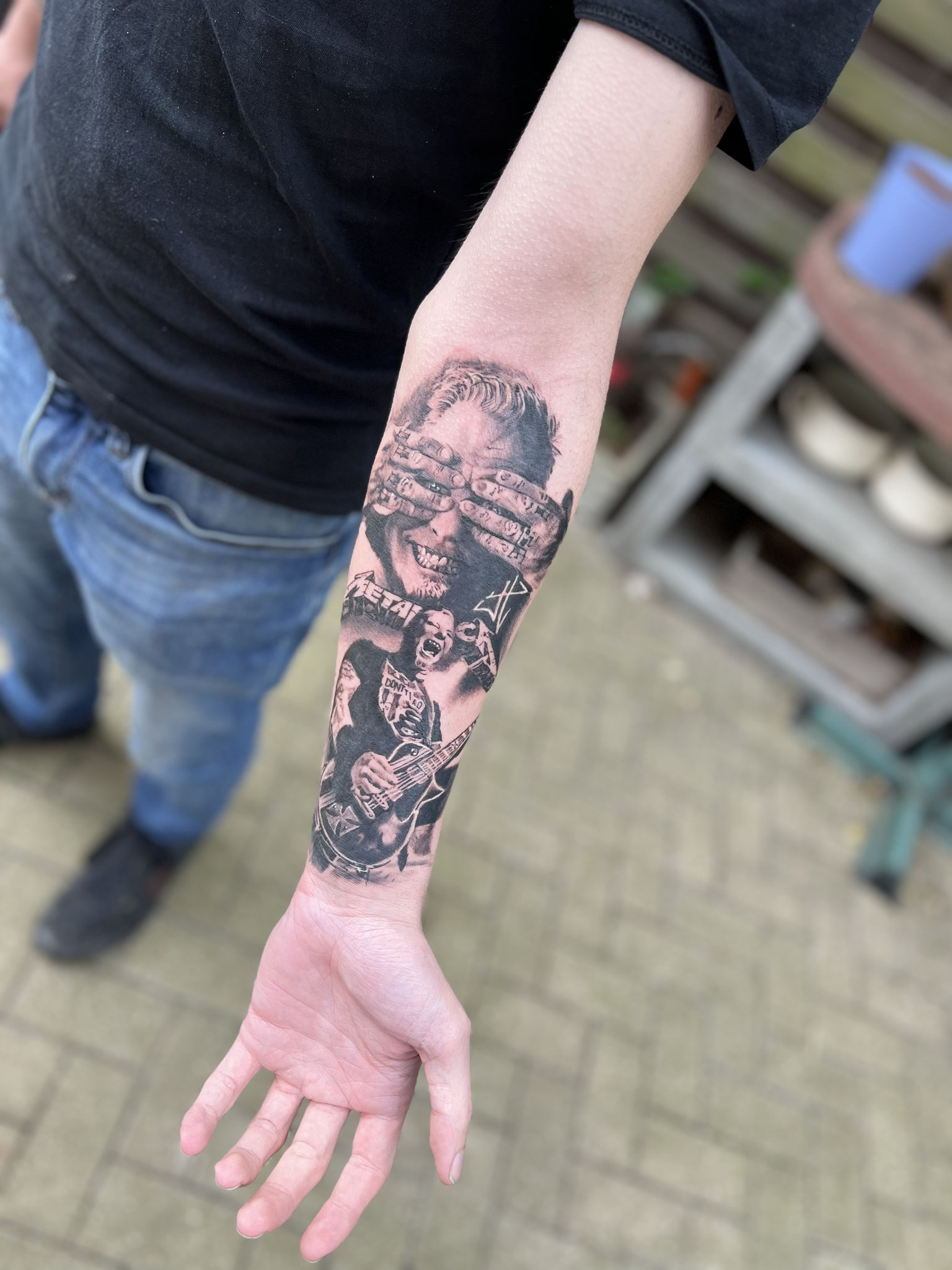
My portrait process is structured yet intuitive. When a client requests a specific person — whether a celebrity, family member, or animal — I look for an image that captures motion, emotion, and natural contrast.
I avoid overly enhanced or artificially edited references. Specializing in miniature realism means understanding how scale affects translation. Some images simply do not hold up when reduced in size.
If necessary, I suggest alternative references that will produce a stronger and longer-lasting result. My priority is creating a portrait that maintains clarity and integrity over time.
How do you approach contrast, light, and texture using only greywash tones?
Everything in life is contrast — and tattoos are no exception.
“Where there is dark, there must be light. Where there is texture, there must be softness.”
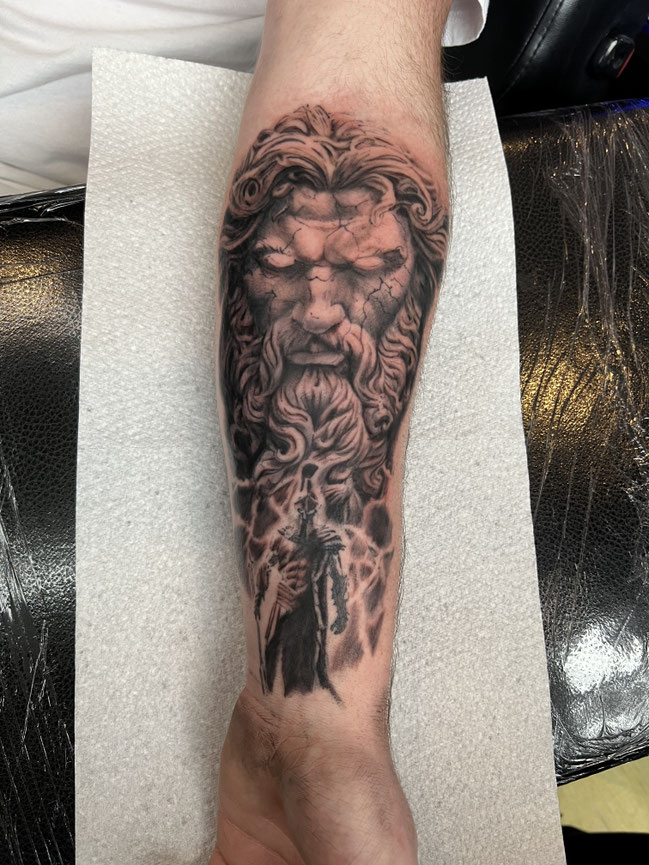
Without proper contrast, lighting, and texture, monochrome work struggles to achieve longevity. Tattoos must look good naturally — not only under studio lighting for a final photo.
Detail should exist across all tonal ranges: mid-tones, highlights, and dark values. Solid black and untouched skin must be balanced clearly so that once healed, the tattoo retains clarity and depth.
What technical aspects are most important for precision and longevity in small-scale work?
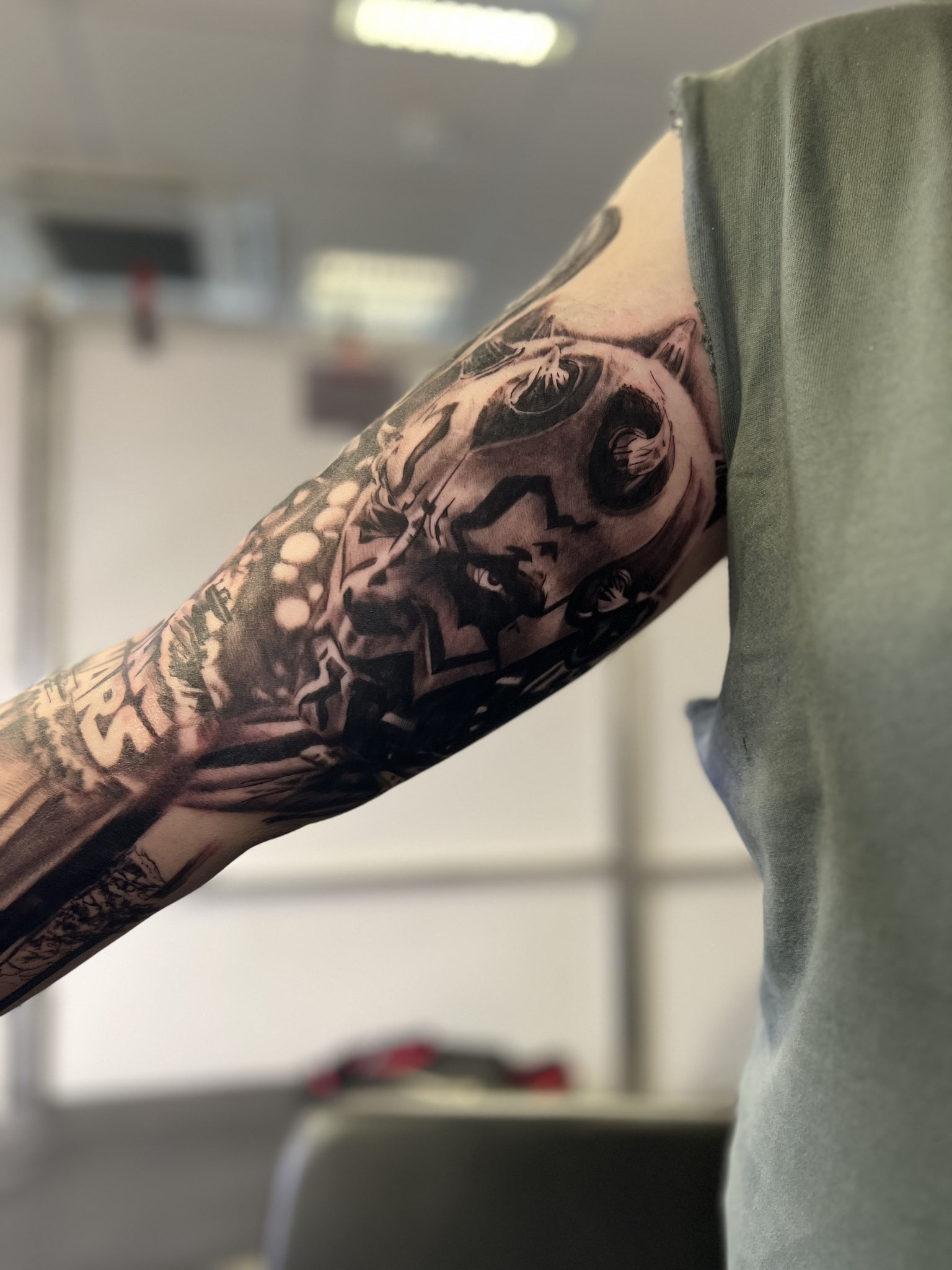
Placement is fundamental — especially for miniatures. If a client already has abstract work or multiple tattoos, every new piece must consider future expansion and cohesion.
Design comes next. If placement blocks the ability to build a sleeve or cohesive composition later, you lose elegance and structure.
Finally, needlework. Many artists consider it the top priority — and yes, it is critical. However, miniature realism is not something you should jump into without experience. No form of photorealism is. That is a standard rule in tattooing.
Needlework can always improve. Even after ten years, I am still learning daily and refining my approach.
How do you build trust when working on portrait tattoos?
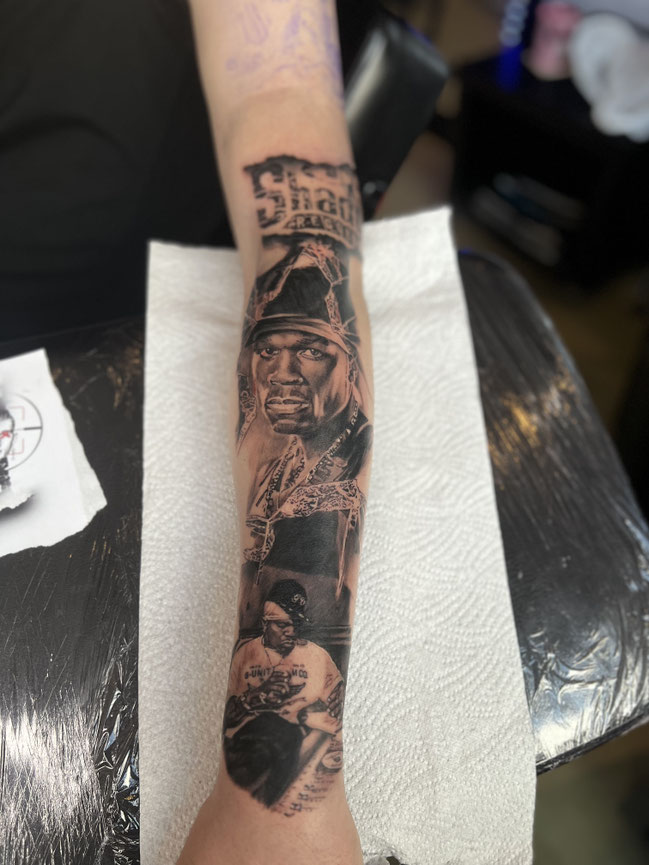
Portraits are truly make-or-break.
Art is subjective — to the owner, the viewer, and the artist. Tattoos are no different. Some people see “just a tattoo,” but I aim to educate clients on what is technically possible and what ensures longevity.
Communication throughout the entire process is essential. Ideally, the client trusts you to create their art piece. From there, the focus becomes:
- Understanding the request
- Explaining why certain images work better than others
- Showing examples with strong lighting, clear features, and solid contrast
If a client insists on a specific reference, my role is to adapt it creatively rather than copy it directly. Always add your own interpretation.
There is no absolute right or wrong — there is artistic integrity and honest communication. If you are not confident taking on a project, honesty works in your favor. Tattoos are for life.
How do you see miniature realism evolving today?
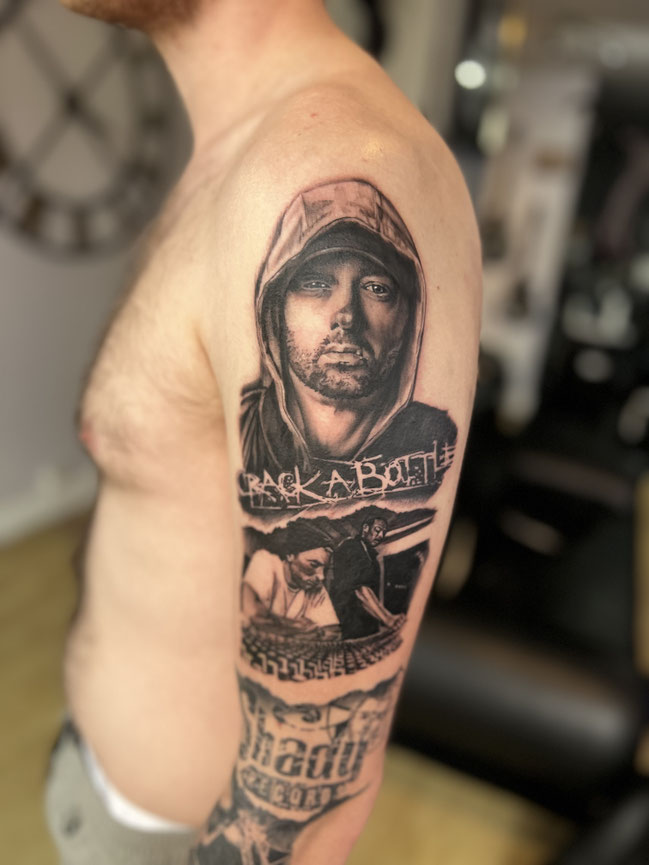
Portrait tattooing will never disappear — it will always hold relevance.
AI is changing how reference images are generated. It can convert cartoons into realism, alter features, and refine compositions. Used correctly, it is a powerful tool.
However, AI should assist creativity, not replace it. The personal touch of the artist must remain central. Technology can help refine backgrounds or adjust elements, but the artistic interpretation should always come from the artist.
What are your artistic goals moving forward?
I want to collaborate and guest alongside other artists — whether hosting them in my new studio or traveling internationally.
There is never a point in tattooing where you stop learning. Education, collaboration, and growth are ongoing.
2025 marked a new chapter for me with the opening of my studio and my first convention experiences. I tattoo for the artwork and for the connection built with each client. The future will unfold step by step.
-
Why We Recommend:
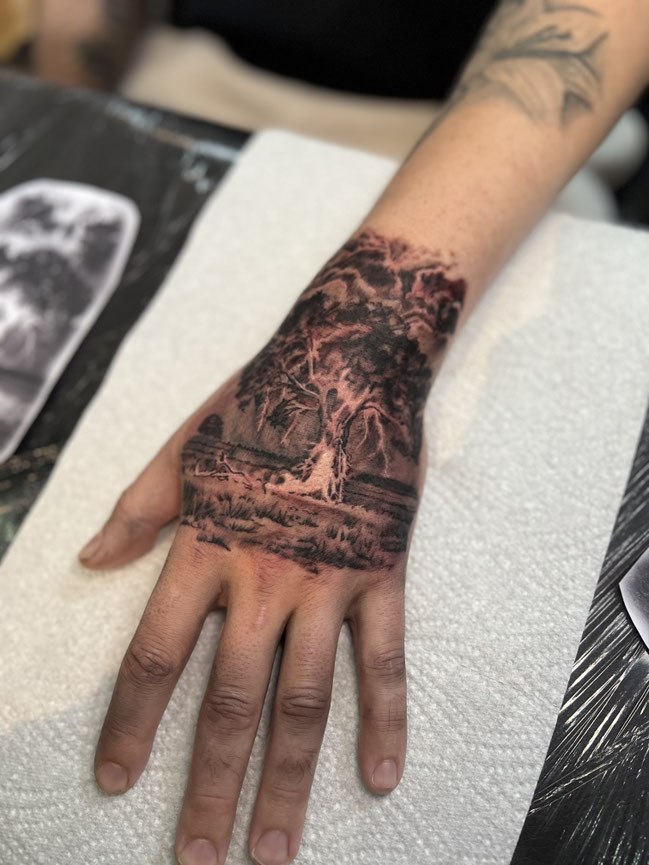
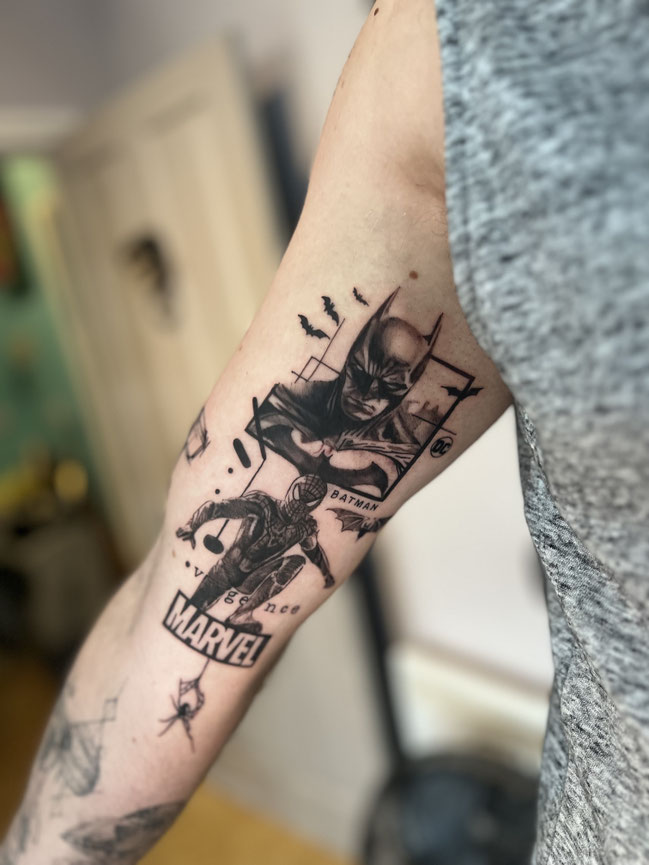
We recommend this artist for his controlled execution in small-scale realism, exceptional tonal balance, and disciplined approach to placement and longevity.
His work demonstrates clarity across all value ranges, ensuring detail, contrast, and durability even at miniature scale.
A humble yet technically focused portrait specialist building refined, long-lasting realism through precision and integrity.
Information
Style: Monochrome (black and white) Specialist of miniature realism and portraits.10 years experience in the industry, 7 years tattooing experience.Instagram: @mr_baptisteStudio: Masterpiece Tattoo Studio, 103 High Road, Benfleet, Essex, SS75LN